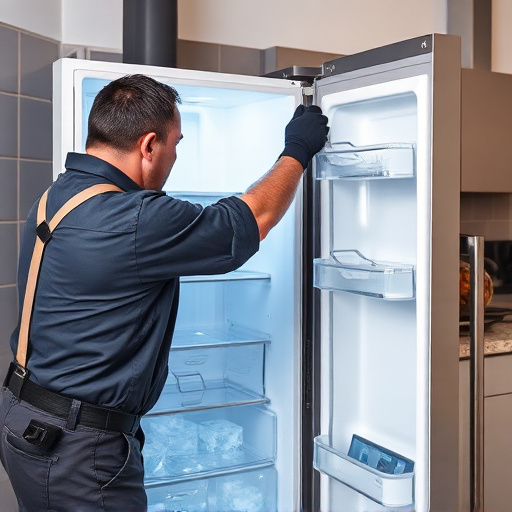
In the heart of Austin, reliable home appliances are non-negotiable. When a GE refrigerator isn't cooling, a dishwasher won't drain, or an oven isn't heating, it disrupts daily life and can leave homeowners feeling frustrated. Understanding these common issues and their root causes is the first step to effective repair. This guide cuts through the confusion, offering homeowners and even seasoned do-it-yourselvers a comprehensive roadmap for tackling GE appliance problems, with a particular focus on issues like a GE oven not heating naturally, in and around Austin. By the end, you'll be equipped to save time, money, and potentially extend the lifespan of your valuable appliances.
- Diagnosing Common GE Oven Issues
- Accessing and Inspecting Your Oven
- Replacing Key Components: A Step-by-Step Guide
- Preventive Maintenance for Efficient Heating
Diagnosing Common GE Oven Issues
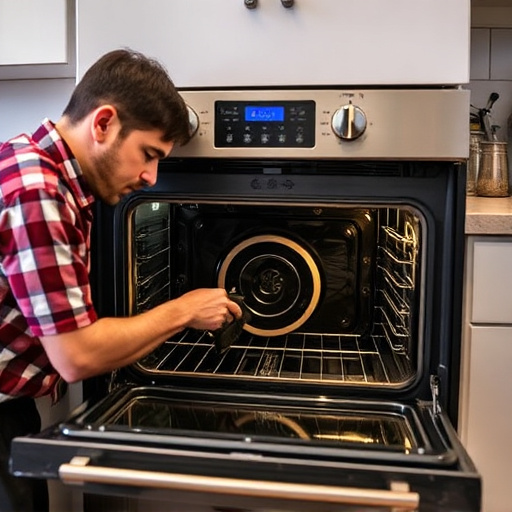
Diagnosing common GE oven issues, especially when your oven isn't heating naturally, requires a systematic approach. Many modern GE appliances, including the GE Monogram series, are designed with advanced features and digital controls. However, these sophisticated systems can sometimes lead to unexpected malfunctions. If your oven isn't heating up as expected, the first step is to check for basic electrical connections and power supply issues. Ensure that the oven is plugged into a working electrical outlet and that the circuit breaker or fuse associated with the oven hasn't tripped or blown.
The next layer of troubleshooting involves examining the oven's control board and heating elements. The control board is responsible for managing the oven's functions, and a malfunction here can prevent heating. Over time, heating elements can become contaminated with food residue or debris, reducing their efficiency. In some cases, the issue might be with the oven's igniter, which lights the fuel to produce heat. An experienced appliance repair company serving Austin and nearby suburbs recommends inspecting these components for signs of damage or debris buildup.
If the initial checks don't reveal any obvious problems, it's time to examine deeper. Ge appliances, like the GE Monogram series, often include smart features that require a compatible app for control. Issues with the GE SmartHQ app, for instance, could prevent the oven from heating. Check for proper temperature settings and ensure that the oven door is sealing correctly. A small gap can cause the oven to lose heat. If all else fails, consult the appliance's user manual or contact a professional for further assistance. Remember, identifying the root cause is key to effective repair, whether the issue is a simple power surge or a complex digital control malfunction.
Accessing and Inspecting Your Oven
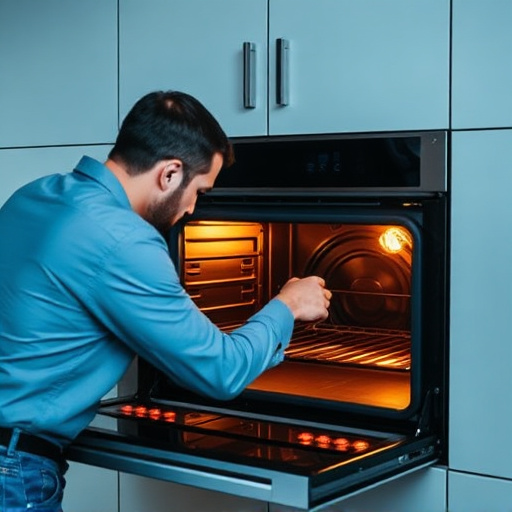
Accessing and inspecting your GE oven is a crucial step when troubleshooting a GE oven not heating naturally. In many cases, the issue can be resolved with simple checks and adjustments. Before beginning any repair, ensure the oven is unplugged and allowed to cool down. This is for your safety and to prevent damage. Start by checking the error code displayed on the control panel, if applicable. GE Profile ovens, for instance, often provide specific codes for various issues, making diagnostic errors a breeze.
One common problem leading to a GE oven not heating naturally is a faulty igniter. The igniter is responsible for lighting the gas in your oven's burner. If it's damaged or dirty, the oven won't heat up. Inspect the igniter for any visible signs of damage, such as cracks or excessive buildup of dirt or debris. In some models, you may be able to clean the igniter with a brush or compressed air. However, if it's severely damaged, it will need to be replaced. An appliance repair company serving Austin and nearby suburbs can help with this process, ensuring the new igniter is compatible with your specific GE oven model.
Another potential issue is an incorrect air flow or blockage in the oven's ventilation system. Over time, dust and grease can accumulate in the vents, restricting air flow and preventing the oven from reaching the desired temperature. Check the vents for any blockages and clean them as needed. This is especially important for models with top or rear ventilation systems. If the problem persists, it could be a sign of a more complex issue, like a malfunctioning thermostat or control board, which may require professional attention.
Replacing Key Components: A Step-by-Step Guide

When troubleshooting a GE oven not heating in a South Austin home, an Austin appliance repair technician often finds that replacing key components is the solution. This step-by-step guide details the process for one of the most common issues: a faulty heating element. Located at the bottom of the oven, the heating element is responsible for producing the heat that cooks your food. If it fails, the oven won't heat up at all.
First, power off the oven and unplug it from the outlet. Safety is paramount. Next, locate the heating element behind the oven's bottom panel. This involves removing the panel, usually secured by a few screws. Once accessible, inspect the heating element for any signs of damage, such as cracks or charring. If it appears compromised, it needs to be replaced. Remove the old element, taking note of its orientation, and install the new one, ensuring it's properly connected to the power supply. Reassemble the oven, reconnecting the power, and testing it to confirm the heating element is functioning correctly.
For a GE Monogram appliance, the process is similar, though the specific parts may vary. An Austin appliance repair technician may need to access different panels or control boards, but the core steps remain the same: identify the faulty component, remove and replace it, and test the appliance. Genuine GE parts are recommended for accurate performance and longevity. Remember, a well-maintained oven can last for years, but regular check-ins and prompt repairs for issues like a GE oven not heating can significantly extend its lifespan.
Preventive Maintenance for Efficient Heating
Preventive maintenance is a key strategy for keeping your GE appliances running efficiently, especially for ensuring your oven heats naturally. A well-maintained GE oven, like the ones often found in homes across South Austin, can significantly improve your cooking experience and energy efficiency. The primary culprit behind a GE oven not heating naturally is often a simple issue that can be addressed with regular care.
One common problem is a buildup of dust and debris in the oven's heating element and around the vents. Over time, this accumulation can restrict air flow, causing the oven to underperform and even fail to heat at all. An appliance repair company serving Austin and nearby suburbs recommends scheduling regular cleaning to remove this buildup. This can be as simple as using a damp cloth to wipe down the oven walls and a vacuum to clean out the vents. For more stubborn cases, especially in older models, checking and replacing the heating element might be necessary.
A GE Profile or other GE ovens might display error codes indicating heating problems. These codes, like other error codes across GE appliances, can often be traced to simple fixes. A "not heating" error could be due to a faulty temperature sensor or a broken wire. Regular maintenance checks, including inspecting and cleaning the sensor, can prevent these issues. If you're dealing with a complex problem, it's advisable to consult a professional repair technician, who can diagnose and resolve issues with your GE oven, ensuring it heats naturally and efficiently once again.
Frequently Asked Questions About a Guide to Repairing GE Appliances in Austin Homes
What are the most common GE appliance issues in Austin?
Residents in Austin often encounter issues with GE washers and dryers, such as error codes, unusual noises, or poor performance. Common problems include leaky hoses, damaged belts, faulty control boards, and malfunctional heating elements. While some issues may be easily resolved through basic troubleshooting, complex repairs may require the expertise of a local appliance repair service, like Austin Appliance Masters.
How do I troubleshoot a GE washer that won't start?
First, check the power supply by ensuring the washer is plugged in securely and the circuit breaker hasn't tripped. Inspect the door seal for any damage or debris preventing the washer from starting. Refer to the user manual for a step-by-step troubleshooting guide specific to your model. If the problem persists, contact a professional repair technician.
Why is my GE dryer blowing cold air?
This could be due to a blocked vent, faulty heating element, or issues with the control board. Check the dryer vent for any obstructions, and ensure the lint filter is clean. If the vent appears clear, the problem may lie with the heating element or control board, requiring professional diagnosis and repair.
What causes a GE washer to display error codes?
Error codes are usually displayed due to specific issues within the washer's control system. Common causes include faulty sensors, control boards, or water valves. Refer to the error code manual provided by GE for detailed troubleshooting instructions based on the displayed code.
Can I repair my GE appliance myself?
While some basic repairs, like replacing a filter or a belt, are within the reach of DIY enthusiasts, complex repairs, especially involving electrical components, are best left to qualified appliance repair technicians. Misdiagnosis or incorrect repairs can void warranties and potentially create safety hazards.
How do I find a reliable appliance repair service in Austin?
Look for reputable companies with positive customer reviews, such as Austin Appliance Masters. Ask for recommendations from friends and family, and ensure the service provider is licensed, bonded, and insured. A company with experience repairing GE appliances in the Austin area is ideal.
What is the average cost of repairing a GE appliance in Austin?
The average cost for appliance repair in Austin varies depending on the issue. Basic repairs, like replacing a filter or a fuse, typically cost between $50 and $150. More complex repairs, involving parts replacement or diagnostic fees, can range from $200 to $500 or more. Contacting a local service for an accurate estimate is recommended.
Understanding and addressing GE oven issues, particularly when the oven is not heating naturally, is a crucial task for Austin homeowners. By diagnosing common problems, such as faulty heating elements or thermostats, and taking a systematic approach to repairs, you can extend the lifespan of your appliance. Our guide provides a solid foundation for DIY repairs, but for complex issues, including GE oven not heating, it's advisable to consult a professional, like Austin Appliance Masters. Regular preventive maintenance, such as cleaning and inspecting your oven, ensures optimal performance and energy efficiency. With these insights, you're now equipped to maintain or replace components, make informed decisions about repairs, and, ultimately, extend the life of your GE oven, contributing to a well-functioning Austin home.
When your GE oven isn't heating naturally, a systematic approach is key. Start with basic electrical connections and power supply issues. Check the control board and heating elements for damage or debris. For smart features, ensure the compatible app is functioning. Regular maintenance, including cleaning and error code checks, can prevent common issues. If problems persist, a professional repair technician can diagnose and resolve complex issues, ensuring your oven heats efficiently.