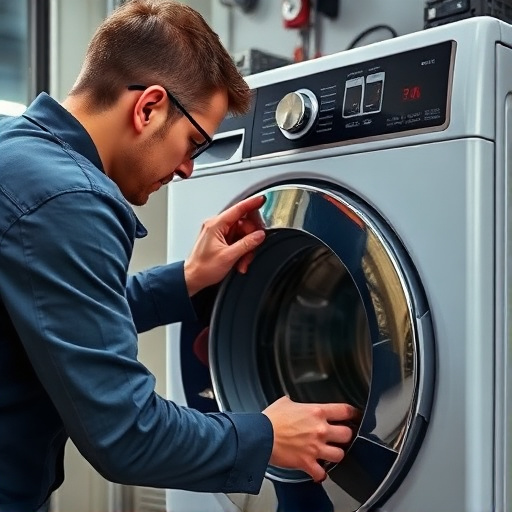
In the bustling homes of Austin, efficient and reliable appliances are non-negotiable. When a beloved GE appliance suddenly stops functioning-say, a refrigerator not cooling-residents often turn to professionals for swift, expert solutions. Here at Austin Appliance Masters, we understand the frustration of a broken appliance, especially when it impacts your family's comfort. This guide is your go-to resource for navigating the repair process of your GE appliances, from refrigerators to dishwashers, ensuring your household runs smoothly again in no time. We'll walk you through the troubleshooting and repair process, offering insights into common issues and providing practical advice tailored to your Austin home.
- Diagnosing Common GE Refrigerator Issues
- Understanding Cooling Mechanisms & Malfunctions
- Step-by-Step Repair Guide for Your Home
- Preventive Maintenance Tips & Common Pitfalls
Diagnosing Common GE Refrigerator Issues
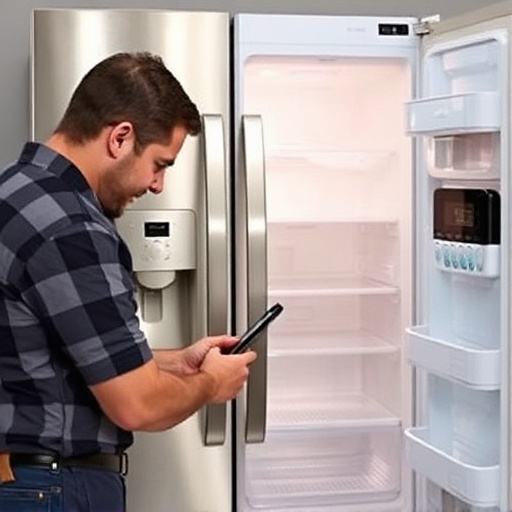
Diagnosing and fixing common GE refrigerator issues is a key part of appliance maintenance in Austin homes. A refrigerator that's not cooling properly is a frequent concern. When your GE refrigerator isn't keeping food cold, it's not just an inconvenience; it can lead to spoilage and food safety risks. Luckily, many of these problems have straightforward solutions.
Start by checking the temperature settings. Sometimes, the refrigerator might be set too low or too high. Ensure the controls are set to the correct temperature for your needs. If the issue persists, look for signs of frost buildup. A buildup of ice can block airflow and prevent efficient cooling. In models with a manual defrost cycle, check that the timer is functioning correctly. If the freezer is excessively frosty, a defrost problem could be the culprit.
For older GE Monogram refrigerators, or any model with a digital control board, troubleshooting can get more complex. An appliance repair service in Austin TX can assist with these models, as they often require specific knowledge and tools. An issue with the control board might display an error code, like "GE refrigerator not cooling" or a series of beeps. These codes can be deciphered to pinpoint the problem, whether it's a faulty sensor, a power issue, or a problem with the compressor.
Regular maintenance, including cleaning the coils and checking for proper ventilation, can help prevent many of these issues. If you've checked these basic areas and the problem continues, it's best to consult a professional. An experienced appliance repair team can diagnose and fix a wide range of GE refrigerator issues, ensuring your fridge is once again keeping your food fresh and at the right temperature.
Understanding Cooling Mechanisms & Malfunctions
In the realm of home appliance repair, understanding the intricate cooling mechanisms of your GE refrigerator is key to identifying and rectifying issues like the common problem of a GE refrigerator not cooling. As a local Austin appliance repair company with extensive experience, we've observed that many cooling malfunctions stem from a combination of faulty components and misdiagnosed issues. Let's examine the process, identifying common culprits and providing insights into when to replace versus repair.
The cooling system within a GE refrigerator is a carefully orchestrated blend of components, including the evaporator coils, compressor, and condenser coils. When these elements work in harmony, your fridge maintains ideal temperatures. However, issues can arise from a variety of sources. A faulty control board might send incorrect signals, preventing the compressor from engaging, which in turn stops the cooling process. Here, an examination of the control board and its connections becomes crucial. Over time, parts like the evaporator fan or the compressor itself can wear out, requiring replacement. Understanding these dynamics allows homeowners to make informed decisions.
When troubleshooting a GE refrigerator not cooling, it's essential to check for common error codes that signal specific problems. Error code E15 indicates a problem with the temperature sensor, while E25 suggests an issue with the power supply. These codes, often displayed on the control panel, provide valuable clues for technicians. A local Austin appliance repair company's expertise lies in interpreting these signals and identifying the root cause, whether it's a faulty sensor, power issues, or an imbalance in the refrigerant charge. Regular maintenance, prompt attention to warning signs, and the use of genuine GE parts can significantly extend the lifespan of your appliances.
Step-by-Step Repair Guide for Your Home

When your GE refrigerator in Austin isn't keeping your food fresh, it can be a real headache. But with a bit of knowledge and the right tools, you can often fix the issue yourself. This step-by-step guide walks you through common problems, like a GE refrigerator not cooling naturally, and simple repairs that can save you time and money.
First, locate the problem. Check the temperature settings and ensure they're correct. A maladjusted thermostat could be causing your fridge to run but not cool effectively. Verify the evaporator coils are clean and free of debris. A dirty coil can restrict airflow, hindering the cooling process. In some cases, the issue might be as simple as a loose connection or a faulty door seal. Inspect these components for any signs of damage or wear and ensure they're properly secured.
If the problem persists, consider the age of your appliance. Older GE models might reach the end of their lifespan, necessitating a replacement. However, before you write it off, try resetting the control board. This centralized computer manages various functions, and a simple reset could resolve unexpected malfunctions. The GE Cafe series, popular in Westlake and other areas, benefits from this approach. If all else fails, contact a professional. Austin Appliance Masters, a local expert, can diagnose and fix complex issues, ensuring your fridge is once again keeping your food fresh and tasty.
Preventive Maintenance Tips & Common Pitfalls
Preventive maintenance is key to keeping your GE appliances in Austin running smoothly and extending their lifespan. Regular cleaning, inspections, and simple adjustments can often prevent major issues, including a common problem: a GE refrigerator not cooling properly. A buildup of dust and dirt in the condenser coils can restrict airflow and lower cooling efficiency. An experienced Austin appliance repair team recommends scheduling a professional cleaning every six months to ensure optimal performance.
One of the most frequent issues reported by Austin homeowners with GE refrigerators is inconsistent cooling. While some problems, like a faulty thermostat or damaged temperature control board, may require professional attention, many instances can be resolved with basic troubleshooting. Checking and replacing the refrigerator's water filter, for example, can significantly impact cooling performance, especially in models like the GE Cafe or GE Profile series. Regularly inspecting and clearing air filters in your GE appliances, including dishwashers and ovens, is also crucial.
Beyond regular maintenance, being mindful of how you use your appliances can prevent costly repairs. Avoid overloading your refrigerator, as this can block vents and impact cooling. Ensure proper ventilation in your kitchen to allow cold air to circulate freely around the appliance. Similarly, with dishwashers, avoid loading dishes too tightly, as this can prevent water from reaching all areas, leading to inadequate cleaning. Regularly cleaning your GE dishwasher's control board and ensuring the drain hose is clear of clogs can also prevent common issues, like a dishwasher not draining properly.
In the case of a GE refrigerator not cooling, a systematic approach is best. First, check the temperature settings and ensure they are within the recommended range. Then, visually inspect the coils for any debris or buildup. A simple cleaning might resolve the issue. However, if the problem persists, it's advisable to consult a local appliance repair service, especially for older GE models, to avoid further complications. Remember, regular preventive measures can save you from unexpected breakdowns and costly repairs.
Frequently Asked Questions About a guide to repairing GE appliances in Austin homes
What is the most common issue with GE appliances in Austin homes?
GE appliances, like any others, can face a range of problems, but in Austin's unique environment, a few issues stand out. Water leaks in washing machines, often due to faulty hoses or seals, are a frequent concern. Refrigerator malfunctions, typically involving temperature regulation or ice maker problems, are also common. Many issues stem from power supply fluctuations, aging components, or improper installation, which is why professional diagnostics are often necessary.
How can I troubleshoot a washing machine error code?
Identify the specific error code displayed on your GE washer, as each code signals a different problem. Start by checking the water supply connections for leaks or obstructions. Inspect the drain hose for clogs or kinks. If the issue persists, consult the owner's manual for a step-by-step guide or contact a local Austin appliance repair service like Austin Appliance Masters for expert assistance. They can perform advanced diagnostics to pinpoint the problem.
When should I call a professional for appliance repair?
Call a professional when you encounter issues that:
- Involve complex electrical components or wiring.
- Require specialized tools or knowledge, like replacing a compressor or board.
- Are not resolved by basic troubleshooting or maintenance checks.
- Include unusual sounds, unusual odors, or persistent performance issues. An experienced appliance repair team can quickly diagnose and fix problems, minimizing downtime.
Do I need to replace parts myself or can a technician do it?
For simple, readily accessible parts like filters or door gaskets, DIY replacement is possible. However, most complex repairs require the expertise of a technician. They have the training and tools to handle intricate tasks, ensuring a safe and effective fix. Leave these repairs to professionals to avoid voiding warranties and potential safety hazards.
How long does a typical appliance repair in Austin take?
Most repairs in Austin take one to two days, depending on the issue. The repair team will typically schedule a visit, diagnose the problem, order necessary parts if not in stock, and perform the repair. It's best to plan around this timeframe for convenience.
What should I do if my warranty has expired?
Even if your warranty has expired, it's still advisable to contact the manufacturer or a reputable repair company for guidance. They may offer extended warranty options or provide advice on cost-effective repairs. While self-repairs can save money, they may void warranties, so seeking professional help is often the safer choice.
Can I save money by repairing rather than replacing my GE appliance?
Absolutely. Repairing can be significantly more cost-effective than replacement, especially for older models. Many parts are interchangeable, and a simple repair can extend the life of your appliance. Plus, repairing avoids the full cost of a new appliance. Contacting a local repair service for a quote is the best way to determine potential savings.
Understanding the intricacies of repairing GE appliances, particularly in the context of Austin homes, is a valuable skill for any homeowner. This guide has equipped you with a comprehensive toolkit to tackle common issues, with a special focus on diagnosing and fixing the GE refrigerator not cooling problem. By grasping the cooling mechanisms and potential malfunctions, you can effectively step through a repair process tailored to your specific appliance.
The key takeaways are clear: preventive maintenance is crucial to extending the lifespan of your GE appliances, and regular checks can often prevent costly repairs. Familiarizing yourself with error codes, control boards, and genuine GE parts will streamline the troubleshooting process. Understanding the common pitfalls will help you make informed decisions about repair vs. Replacement.
Now, armed with this knowledge, you are better prepared to maintain and repair your GE appliances at home, ensuring they operate efficiently and reliably. Remember, timely intervention, especially with issues like a GE refrigerator not cooling, can make a significant difference in food preservation and energy costs.
Diagnosing and fixing a GE refrigerator that's not cooling properly involves several steps. Start by checking temperature settings, looking for frost buildup, and ensuring proper ventilation. For complex issues, consult an experienced Austin appliance repair team, as older models may require specific knowledge. Regular maintenance, including cleaning coils and checking connections, can prevent many problems. If the problem persists, a professional can diagnose and fix the issue, ensuring your fridge maintains ideal temperatures.