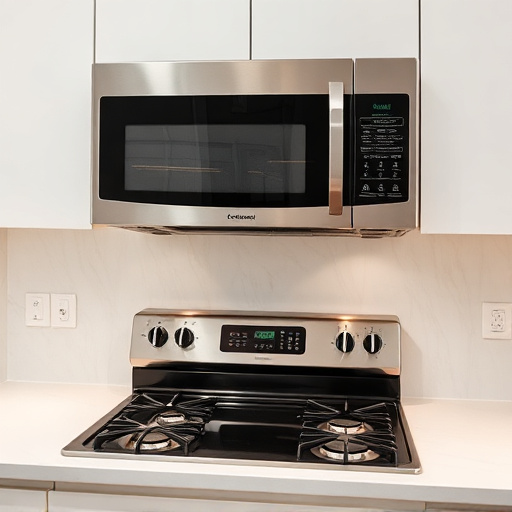
Our kitchens are the heart of our homes, and the appliances that power them are crucial investments. When a trusted appliance like a GE refrigerator not cooling properly, or a GE oven not heating, it can disrupt your daily routine. As a seasoned team of appliance repair experts serving Austin, we understand these inconveniences can be stressful. This guide is your comprehensive resource for troubleshooting and repairing common issues with GE ranges, ovens, and cooktops. We'll walk you through the process, from identifying error codes like GE refrigerator not cooling, to replacing parts, ensuring your kitchen functions at its best.
- Understanding GE Range, Oven, and Cooktop Basics
- Diagnosing Common Issues: GE Refrigerator Not Cooling Naturally
- Repair and Maintenance Tips for Efficient Performance
- Choosing the Right GE Model for Your Needs
Understanding GE Range, Oven, and Cooktop Basics
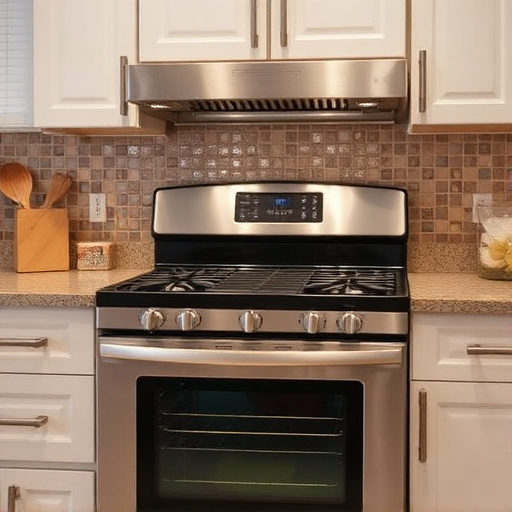
Understanding the Basics of GE Ranges, Ovens, and Cooktops
For cooking, a well-functioning range, oven, and cooktop are essential. For homeowners in South Austin relying on GE appliances, troubleshooting issues like a GE refrigerator not cooling can be a common challenge. An experienced Austin appliance repair team often recommends a systematic approach to diagnosing problems, especially with complex appliances like these.
GE ranges, ovens, and cooktops are known for their durability and innovative features, but they're not immune to malfunctions. Let's take a closer look at some common issues and maintenance tips. A GE Monogram series oven might display strange error codes, indicating a potential issue with the control board. Regular cleaning and checking for gas leaks are crucial for all models, from the standard to the sophisticated induction cooktops.
Understanding the basic components and functions of these appliances can empower homeowners to perform simple troubleshooting. Knowing the location of GE parts and how to identify them-like the igniter for a range or the water filter for a refrigerator-is valuable. Many issues, such as a GE dishwasher not draining, can often be resolved by clearing the drain or replacing a faulty part, like a control board.
However, some problems, like a GE oven not heating, might require professional attention. An Austin appliance repair technician can diagnose issues related to heating elements, thermostats, or even electrical connections. Regular maintenance, prompt troubleshooting, and understanding the specific model's quirks can extend the lifespan of your GE appliances, ensuring your cooking experiences remain enjoyable and hassle-free.
Diagnosing Common Issues: GE Refrigerator Not Cooling Naturally
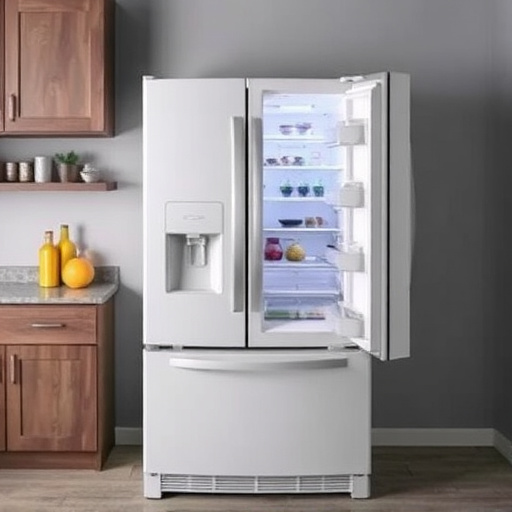
Diagnosing a GE refrigerator that's not cooling naturally can be a frustrating experience for any homeowner. At an appliance repair service in Austin TX, we've seen many such cases and know that the issue often lies with a few common culprits. Let's break down the process of identifying and resolving the problem, focusing on the control board, a key component in many modern GE appliances, including the GE Profile line.
When a GE refrigerator isn't cooling, start by checking the control board. This central unit manages various functions, including temperature control and defrost cycles. Issues with the control board can manifest in several ways. A faulty temperature sensor might send incorrect readings, leading to improper cooling. In some cases, a bad connection or a damaged circuit board can cause the problem. Inspect the control board for any visible signs of damage, loose connections, or burned components. If you spot any, it may be best to consult a professional, as attempting repairs yourself could void your warranty.
If the control board seems intact, the issue could be with the evaporator coils. Located behind the freezer, these coils are responsible for absorbing heat from the interior of the fridge. Over time, they can become frozen or coated with dirt, blocking airflow and preventing efficient cooling. Check for ice buildup and ensure the coils are clean. Cleaning or replacing the coils, as needed, can restore proper cooling.
In some cases, the problem might be with the compressor or the condenser fan, which are responsible for circulating refrigerant and dissipating heat. A malfunctioning compressor can cause the fridge to run continuously without cooling effectively. Similarly, a defective condenser fan might not move enough air over the coils, leading to suboptimal cooling performance. These repairs, while more complex, often require the expertise of a qualified technician. At Austin Appliance Masters, we have the tools and knowledge to accurately diagnose and fix these issues, ensuring your GE refrigerator works as efficiently and reliably as it should.
Repair and Maintenance Tips for Efficient Performance
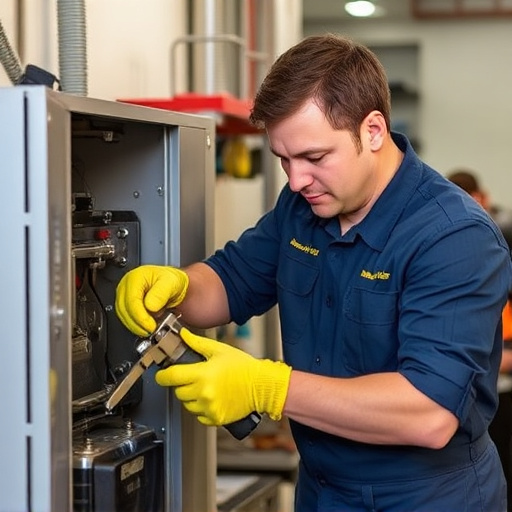
Maintaining your GE appliances in top condition is key to ensuring they serve you well for years to come. This is especially true for your refrigerator, a vital component of any Austin kitchen. When your refrigerator isn't cooling properly, it's not just an inconvenience; it can lead to spoiled food and higher energy bills. A common issue, particularly with older models, is a malfunctioning cooling system, which can be diagnosed and fixed by an Austin appliance repair technician.
One of the first steps in troubleshooting a non-cooling refrigerator is to check the temperature settings. Sometimes, the issue is as simple as a misadjusted thermostat. If your GE Profile refrigerator is set too high, it won't be able to achieve the desired cool temperature. Ensure the settings are accurate according to the manufacturer's guidelines. Another common problem is a dirty or clogged evaporator coils. Over time, these coils accumulate dust and debris, hindering their ability to absorb heat from the interior of the fridge. This can be resolved by a thorough cleaning, a task an experienced Austin appliance repair team can assist with.
Regular maintenance can prevent many common issues. For GE appliances, this includes periodic checks of the water filter, especially in models with water dispensers. A clogged filter can disrupt the water supply, affecting the performance of your refrigerator and potentially leading to excessive ice buildup in the freezer. Keeping your refrigerator and freezer free of obstructions allows for optimal air circulation, enhancing cooling efficiency. An appliance repair service in Austin TX can provide guidance on the best maintenance practices for your specific GE model, ensuring your appliances operate at peak performance.
Choosing the Right GE Model for Your Needs
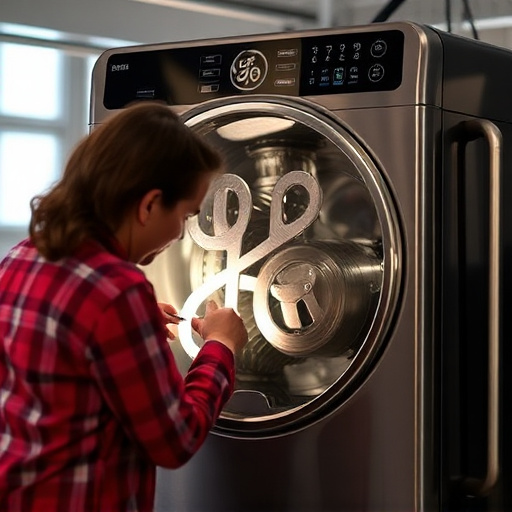
When selecting a GE range, oven, or cooktop, understanding your specific needs is crucial. Different models cater to various cooking styles and preferences. A professional chef may require advanced features like precise temperature control and a large oven capacity, whereas a busy family might prioritize a user-friendly interface and quick cooking options.
The GE Cafe and GE Profile series offer premium options with innovative designs and smart technology. These models often include advanced temperature controls, convection baking, and precise heating elements, ensuring even cooking results. However, keep in mind that these features come at a higher price point. If budget is a concern, consider the standard GE range and oven models, which still provide excellent performance and durability. The GE Profile oven with built-in convection and a digital display offers a great balance between features and affordability.
For a GE refrigerator not cooling, proper maintenance and regular checks are key. Some models have smart features like temperature sensors and auto defrost, which can help maintain optimal cooling. The GE Monogram refrigerator with its advanced cooling system and adjustable shelves can adapt to different food storage needs. However, if you encounter persistent issues, such as a refrigerator not cooling naturally, an appliance repair company serving Austin and nearby suburbs can provide expert assistance. Regular cleaning and filter changes also contribute to the overall lifespan of your appliance, ensuring it operates efficiently and effectively.
Frequently Asked Questions About a guide to GE ranges, ovens and cooktops
What are the key features to look for when buying a GE range, oven, or cooktop?
When selecting a GE range, oven, or cooktop, consider fuel type (gas, electric, or hybrid), cooking power (in terms of heat output and technology like induction), control system (digital or traditional knobs), and additional features like convection ovens, dual fuel zones, or smart connectivity for remote control and monitoring. Look for energy efficiency ratings and warranties to ensure long-term value and peace of mind.
How do I install a GE range or cooktop?
Installation typically requires a professional service. Contact a licensed contractor experienced with GE appliances to ensure a safe and code-compliant installation. They will remove your old appliance, connect gas and electrical lines (if applicable), and test the new unit to ensure it functions properly.
What's the difference between a range, oven, and cooktop?
While often used interchangeably, these terms refer to different appliance components:
- Range: Combines a cooktop (heaters for cooking) and oven (for baking and roasting) in one unit.
- Oven: Dedicated to baking, roasting, and heating food using dry heat, typically found within a range or as a standalone unit.
- Cooktop: The surface where food is cooked, featuring individual heating elements or burners.
Do GE ranges and ovens require regular maintenance?
Absolutely. Regular cleaning, particularly of oven interiors and heating elements, is essential to maintain performance and longevity. Follow manufacturer guidelines for cleaning and consider using specialized oven cleaners. Also, inspect connections for gas lines and electrical wiring periodically to prevent leaks or malfunctions.
How do I troubleshoot common issues with a GE range or oven?
If your GE range or oven isn't performing correctly, start with basic checks:
- Ensure proper power supply and gas connections.
- Verify temperature controls and digital displays.
- Check for loose connections or damaged wiring.
- If the issue persists, consult the appliance's user manual or contact a qualified technician for further diagnosis and repair.
Are GE ranges and ovens energy-efficient?
Yes, many GE ranges, ovens, and cooktops are designed with energy efficiency in mind. Look for models with the Energy Star certification, which indicates they meet strict energy-performance guidelines. Features like induction cooktops and convection ovens can also improve energy efficiency compared to traditional models.
Understanding the fundamentals of GE ranges, ovens, and cooktops is crucial for efficient and problem-free appliance operation. Diagnosing issues, such as when your GE refrigerator is not cooling naturally, can often be achieved through simple troubleshooting techniques detailed in this guide. By incorporating practical repair and maintenance tips, homeowners can extend the lifespan of their appliances and ensure optimal performance.
When selecting a new GE model, consider your specific needs and kitchen layout to make an informed decision. Remember, regular maintenance and prompt repairs, like addressing a non-cooling refrigerator, can significantly impact the longevity of your appliances. A well-maintained GE oven may require less frequent repairs over its lifetime, saving you both time and money in the long run.
By following the insights provided in this authoritative guide, homeowners in Austin and beyond equipped with basic troubleshooting skills can handle many common appliance issues, including refrigerator malfunctions, on their own. For more complex or persistent problems, it's always recommended to consult a trusted local appliance repair service like Austin Appliance Masters for professional support.
GE appliances, known for durability and features, can still face issues like a GE refrigerator not cooling naturally or GE oven not heating. Regular maintenance, including cleaning and checking for gas leaks, is crucial for all models. Common problems include faulty control boards, blocked evaporator coils, and malfunctioning compressor or condenser fan. Proper temperature settings and regular filter changes also prevent issues. When troubleshooting, start with simple fixes like adjusting settings or cleaning coils. For complex issues like a GE dishwasher not draining or persistent GE refrigerator problems, consult a local Austin appliance repair team for expert assistance. Regular care and prompt troubleshooting extend appliance lifespans, ensuring cooking experiences remain enjoyable.