In the world of home appliances, troubleshooting errors can be frustrating, especially when dealing with a trusted brand like GE. Whether it's your refrigerator not cooling, a dishwasher that won't drain, or a dryer that's not heating, understanding GE error codes is a valuable skill. These codes provide crucial insights into the problem, guiding you towards effective solutions. A common GE range igniter repair issue can be swiftly identified by its associated error code, allowing homeowners to either fix it themselves or call in Austin Appliance Masters for professional assistance. This article demystifies these codes, offering practical guidance for common GE appliance problems, ensuring your comfort and peace of mind.
- Understanding GE Error Codes: Common Issues & Meanings
- Diagnosing Problems: The GE Range Igniter Test
- GE Range Igniter Repair: Step-by-Step Guide & Tips
- Preventive Measures: Maintaining Your GE Range for Longevity
Understanding GE Error Codes: Common Issues & Meanings

Understanding GE Error Codes: Common Issues & Meanings
When your GE appliance displays an error code, it's crucial to understand what it means. Error codes are designed to provide specific troubleshooting guidance for your appliance, whether it's a refrigerator, dishwasher, or washer. A GE washer might display an error code indicating a problem with the motor or a clogged filter. In South Austin, homeowners often turn to an appliance repair company serving Austin and nearby suburbs for expert help when these codes appear.
One common issue, particularly with older GE appliances, is a faulty igniter in the range. A GE range igniter repair can be a straightforward solution if your oven or range is not heating properly. Error codes related to the control board or water filters are also frequent visitors. For a GE dishwasher, codes may signal problems with draining, not reaching the proper temperature, or issues with the control panel. In Westlake and South Austin, experienced technicians from Austin Appliance Masters can help diagnose and resolve these issues.
To avoid unnecessary stress, it's essential to consult your appliance's user manual for a breakdown of the error code meanings. Many codes provide a starting point for troubleshooting, guiding you to check specific components or systems. If you're comfortable with DIY repairs, replacing parts like a water filter or igniter is often a simple fix. However, for more complex issues, such as a refrigerator not cooling or a front-load washer with an unusual odor, it's best to contact a professional. Austin Appliance Masters offers comprehensive GE appliance repair services, ensuring your equipment functions at its best for years to come.
Diagnosing Problems: The GE Range Igniter Test
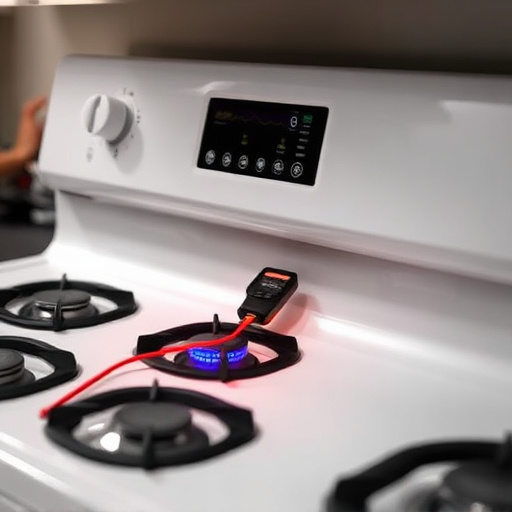
Diagnosing problems with your GE range involves a methodical approach, especially for issues with the igniter. The GE range igniter is a critical component responsible for igniting the gas flame in your stove's burners. When it malfunctions, it can lead to a range that won't light or maintains an unstable flame. An experienced Austin appliance repair team recommends following a systematic process to test and, if necessary, repair the igniter.
First, ensure the gas supply to the range is turned off at the main valve. Then, locate the igniter, usually behind the front panel of the burner. Inspect it for any visible damage, such as cracks or carbon buildup. In many GE Appliances, especially the GE Profile series, the igniter can be tested with a simple multimeter to check for continuity. This involves disconnecting the igniter and measuring the resistance between the two wires. A reading of zero ohms indicates a functioning igniter, while a non-zero reading suggests a faulty unit.
If the igniter tests negative, the next step is to check the control board. The control board, a key component in many GE appliances, manages the ignition process by sending a signal to the igniter. Verify the control board's functionality by checking for power and proper signal transmission. Sometimes, a faulty control board can mimic igniter problems. Once you've ruled out or addressed the control board issue, the igniter itself may require replacement. Genuine GE parts are recommended for accurate repair and to maintain the warranty.
A GE range igniter repair involves a combination of visual inspection, basic testing with a multimeter, and in-depth control board diagnostics. An experienced technician can guide you through these steps, ensuring your range is safely and effectively restored to its heating capacity.
GE Range Igniter Repair: Step-by-Step Guide & Tips
When a GE range igniter fails, it can leave your cooking experience in disarray. As an experienced Austin appliance repair team serving the South Austin area near MoPac, we've seen many of these issues. Fortunately, understanding the problem and the GE range igniter repair process is straightforward. Here's a step-by-step guide to help you diagnose and fix the issue, with a special focus on GE Profile and GE Cafe models.
First, know the symptoms. A non-functioning igniter can present itself in several ways. The most obvious sign is a failure to light the burner, resulting in cold cooking surfaces. You might also notice a strong plastic burning odor, which could indicate an overheating igniter. Sometimes, the oven may not heat evenly, affecting the cooking process.
Second, locate the igniter. In most GE ovens, the igniter is positioned near the gas burner. It resembles a small, ceramic-like element with wires attached. For GE Profile and GE Cafe models, the igniter is typically located at the back of the oven, behind the burner. Always ensure the gas supply is turned off before attempting any repair.
Third, diagnose the problem. If the igniter appears damaged, charred, or discolored, it's likely the culprit. Sometimes, a simple cleaning can resolve the issue, especially if there's buildup of grease or debris. However, if it's severely damaged, replacement is necessary.
Fourth, GE range igniter repair. This can be a straightforward DIY project for some, but for peace of mind, consider contacting a professional. If you decide to replace it yourself, gather the right tools: a new igniter, a small screwdriver, and a safety gloves. Turn off the gas supply, then carefully remove the old igniter by unscrewing it from its base. Clean the area and install the new igniter, ensuring a secure fit. Once you're satisfied with the installation, turn on the gas and light the burner to test the new igniter.
If you have a GE Profile oven and encounter persistent issues, the igniter might be faulty. In this case, a professional Austin appliance repair service can provide a detailed analysis and perform the repair efficiently, ensuring your oven functions optimally once again. Regular maintenance and timely repairs can significantly extend the lifespan of your GE appliances, making it a wise investment.
Preventive Measures: Maintaining Your GE Range for Longevity
Maintaining your GE range in South Austin is crucial for ensuring optimal performance and longevity. Regular care and attention can prevent common issues, including those that may require a GE range igniter repair in Austin. An experienced Austin appliance repair technician recommends a proactive approach, focusing on cleaning, inspection, and timely replacement of parts.
One of the most effective preventive measures is to keep your range's burners and grates free from food debris and grease buildup. Regular cleaning not only improves efficiency but also reduces the risk of a faulty igniter. The igniter, responsible for igniting the gas flow to the burners, can malfunction due to excessive grime, leading to a lack of heat or erratic performance. An easy cleaning routine involves removing the grates and wiping down the burners with a damp cloth, then allowing the range to air dry thoroughly before reassembling.
Inspecting the range's parts for wear and tear is essential. The igniter, for instance, has a limited lifespan and may need replacement after several years, especially in heavily used ranges. An Austin appliance repair technician suggests checking for any signs of damage or discoloration, which could indicate a failing igniter. Regular checks can help catch potential issues early, making repairs more manageable and cost-effective. In the case of a GE range igniter repair, timely intervention can prevent more severe problems and ensure your range continues to serve your South Austin home efficiently.
Frequently Asked Questions About an explainer on GE error codes and what they mean
What are GE error codes?
GE appliances use error codes to communicate issues. These codes, usually displayed on a control panel or a screen, are a series of numbers or letters that represent specific problems. They help users and technicians quickly identify and troubleshoot the issue.
How do I interpret a GE error code?
Each error code corresponds to a particular problem. A code like "E1" might indicate a power issue, while "FE" could signal a problem with the water temperature sensor. Consult your appliance's user manual or the manufacturer's website for a detailed list of error codes and their meanings.
Why are GE appliances known for having error codes?
GE appliances are designed with advanced technology, and error codes are a part of that sophisticated system. They provide a standardized way to communicate issues, ensuring users and technicians can address them efficiently.
Can I fix a GE appliance myself if it has an error code?
While some basic troubleshooting can be done by homeowners, complex issues often require professional help. Error codes can point to electrical, mechanical, or plumbing problems that are best handled by a qualified appliance repair technician, like those at Austin Appliance Masters.
What should I do if I can't find the error code in the manual?
If the error code isn't listed in the manual, try checking online resources, contacting GE customer service, or consulting with an experienced repair team like Austin Appliance Masters in South Austin. They can provide guidance based on the appliance's model and the specific error displayed.
Are there common GE error codes I should know?
Absolutely. Some common error codes include "LE" for a low water pressure issue, "OE" for a washing machine's overflow, and "EE" for a control board failure. Knowing these can help you prepare for potential issues and have a basic understanding of appliance troubleshooting.
Understanding and addressing GE error codes is crucial for maintaining your appliances and ensuring they serve you for years to come. This article has demystified common issues, such as the GE range igniter test and repair, a process that can be tackled by homeowners with basic DIY skills., while some errors can be resolved easily, others may signal more complex problems that require professional attention. Preventive measures, like regular cleaning and maintenance, are key to longevity.
By now, you're equipped to handle basic troubleshooting and repairs, like the GE range igniter repair, which is a common issue. However, if errors persist or you're not comfortable with a DIY approach, don't hesitate to contact Austin Appliance Masters, your local experts. Regular checks and professional intervention can extend the lifespan of your appliances, ensuring you enjoy their performance for a long time.
GE appliance error codes signal specific issues, from motor problems in washers to faulty igniters in ranges. In South Austin, homeowners often turn to local repair services like Austin Appliance Masters. Understanding error codes and following a structured troubleshooting process, including checking the control board, can save time and money. For complex issues like refrigerator malfunctions or unusual washer odors, professionals are best equipped to provide accurate repairs. Regular maintenance, such as cleaning burners and inspecting parts, can prevent common problems, including the need for a GE range igniter repair.