Appliances are the backbone of modern homes, and when they malfunction, it can disrupt daily life. For GE appliance owners in Austin, troubleshooting errors can be a daunting task, especially for issues with beloved kitchen workhorses like washers, dryers, and microwaves. Understanding GE microwave repair, for instance, is crucial as these appliances are integral to meal preparation. This article is your practical guide to navigating GE error codes, offering insights into common problems and providing clear directions for troubleshooting, ensuring your Austin home remains a well-oiled machine.
- Understanding GE Microwave Error Codes: A Practical guide
- Decoding Common Error Messages: Your Step-by-Step Guide
- Troubleshooting: Effective Strategies for GE Microwave Repair
- Preventive Measures: Maintaining Your GE Microwave Effortlessly
Understanding GE Microwave Error Codes: A Practical guide
Understanding GE Microwave Error Codes: A Practical guide
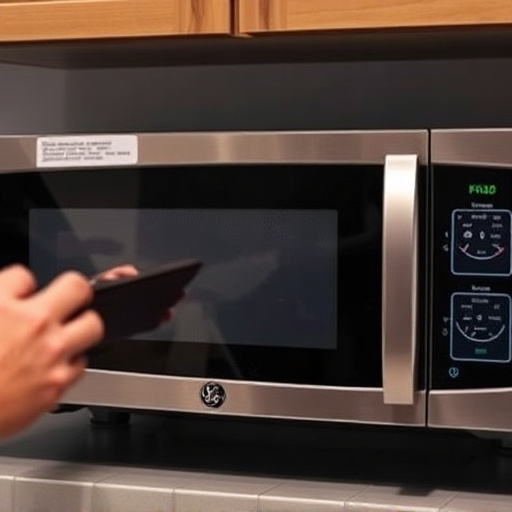
When your GE Profile microwave starts displaying error codes, it can be frustrating. Error codes are a way for your appliance to communicate issues, but deciphering them can be challenging. This guide will help you navigate the most common GE microwave error codes, offering insights into their causes and the best course of action, often leading to successful GE microwave repair.
Let's start with a practical example: error code 1 on your GE microwave. This code typically indicates a problem with the power supply or door sensor. If the microwave won't turn on, a simple check of the power outlet and door switch could resolve the issue. However, if the problem persists, it might signal a faulty control board, which would require the expertise of a local Austin appliance repair company. Another common code, error 3, often points to a problem with the high-voltage power supply, possibly requiring replacement parts.
Not all errors are created equal. Error codes 2 through 5 often relate to issues with the microwave's heating element, turntable, or cooling system. Error code 2 could mean a faulty turntable motor, while code 4 might indicate a problem with the magnetron, the component that generates the microwave's heat. These issues often require more specialized knowledge, making GE microwave repair a task best left to professionals. In some cases, like with error code 5, the problem might be as simple as a loose connection, easily fixed by a skilled technician.
Remember, when dealing with GE microwave error codes, a methodical approach is key. Start with simple checks, like ensuring the microwave is properly plugged in and the door is sealed. If the issue persists, consult the GE SmartHQ app or refer to the appliance's manual for more detailed troubleshooting. For complex problems, contact a reputable Austin appliance repair service. They can provide expert GE microwave repair, ensuring your appliance is back up and running smoothly in no time.
Decoding Common Error Messages: Your Step-by-Step Guide
Decoding Common GE Error Codes: A Step-by-Step Guide to Troubleshooting
When your GE appliance displays an error code, it's like a check engine light for your kitchen. Understanding these codes is crucial for effective troubleshooting, especially for common issues like a non-heating dryer, a dishwasher that won't drain, or a refrigerator that's not cooling. This step-by-step guide will help you decode and interpret these error messages, guiding you towards the appropriate solution. A "FE1" error code on your GE Profile dishwasher likely indicates a problem with the water supply, while "E1" on your GE microwave might signal a sensor malfunction.
Each GE appliance model has a unique set of error codes, designed to communicate specific issues. These codes are often displayed as a series of numbers or letters on a screen or control panel. The key to resolving them lies in understanding what each code represents. "GE parts" like control boards or sensors might be the source of an issue, or you might need to replace a simple water filter. The process of troubleshooting can vary greatly depending on the appliance-a GE oven not heating may require a check of the igniter, while a top-load washer with a persistent odor could need a deep clean and filter replacement.
A local Austin appliance repair company often recommends keeping a log of error codes and the associated actions taken. This record can be invaluable when contacting customer support or a technician. It also helps to be familiar with the appliance's user manual, as it may provide additional context or troubleshooting steps specific to your model. Remember, while these codes can be a great starting point, complex issues may require the expertise of a professional repair technician.
Troubleshooting: Effective Strategies for GE Microwave Repair
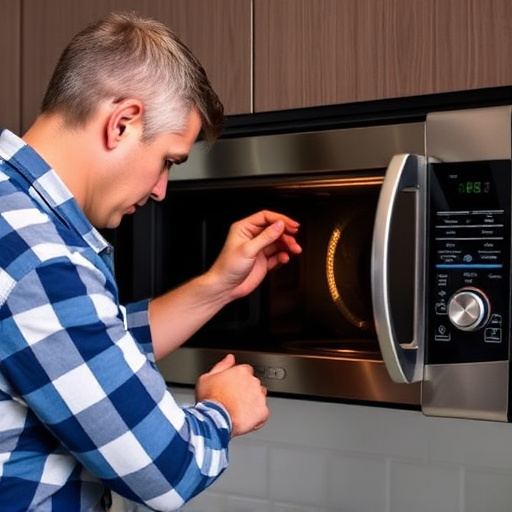
Troubleshooting GE Microwave Repair is a common task for homeowners, but deciphering the error codes can be challenging. GE microwaves, like many appliances, use a series of error codes to communicate issues. These codes are a valuable tool for identifying problems and guiding repairs. A code like "EO" indicates a power issue, while "TC" signals a problem with the temperature control. Each error code is unique and requires specific attention, making a step-by-step approach essential.
The first step in GE microwave repair is to locate the error code display, often a small digital panel or LED readout. Once the code is identified, refer to the GE appliance repair manual or online resources for detailed troubleshooting guides. These resources provide a list of common issues corresponding to each error code. A "TE" code might suggest a door lock problem, while "E1" often points to a malfunctioning control board. When faced with a specific code, it's crucial to follow the recommended procedures, as attempting a repair without proper knowledge can void warranties.
Replacing GE parts is a common solution. The company offers a range of genuine parts, including control boards, door seals, and magnetrons, designed specifically for their microwave models. A local Austin appliance repair company, Austin Appliance Masters, recommends keeping an inventory of commonly needed parts. A faulty control board, often causing a "DC" error code, can be easily replaced with a genuine GE part. Regular maintenance, such as cleaning the microwave and removing any food debris, can also prevent error codes and prolong the appliance's lifespan. By understanding error codes and following a structured troubleshooting process, homeowners can effectively address and resolve many GE microwave issues without the need for costly professional service.
Preventive Measures: Maintaining Your GE Microwave Effortlessly
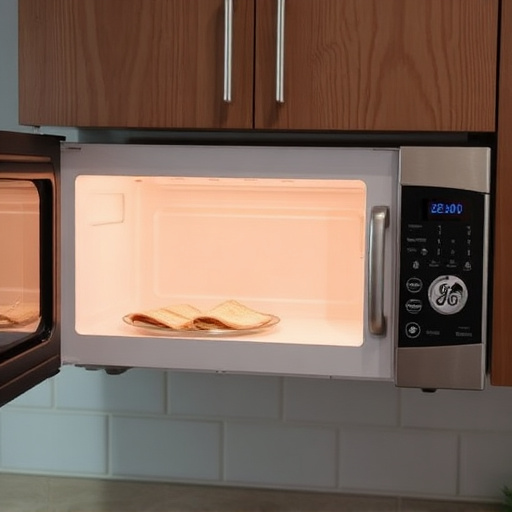
For maintaining your GE Appliances, particularly your GE microwave in Westlake, the key to preventing costly breakdowns is regular care and attention. While modern GE microwaves are designed for durability, proper upkeep can extend their lifespan and ensure optimal performance. Here's a breakdown of essential preventive measures to keep your GE microwave running smoothly.
Regular cleaning is paramount. Food residue buildup, especially around the turntable and interior walls, can lead to poor heating and potential safety hazards. An experienced Austin appliance repair team recommends cleaning your microwave inside and out with safe, non-abrasive cleaners. A mild vinegar solution can effectively remove stubborn spills and odors. Ensure proper ventilation during cooking to prevent the buildup of steam and humidity, which can foster bacterial growth.
Inspect your microwave for any signs of damage or wear, focusing on the door seals, hinges, and walls. Over time, these components may show signs of aging, compromising energy efficiency and safety. Regular checks for cracks, tears, or loose parts can help catch issues early. If you notice any damage, it's advisable to consult a professional, such as an Austin appliance repair technician, who can assess and replace parts as needed, preventing more severe problems down the line.
Lastly, don't overlook the importance of maintaining your GE microwave's functionality through periodic testing. Run diagnostic tests, often accessible through the GE SmartHQ app, to check for any communication issues between the control board and other components. These tests can help identify problems before they become major repairs. A faulty control board may cause your microwave to stop heating or not start at all. Early detection allows for timely GE microwave repair, saving you from unexpected breakdowns and ensuring your meals are cooked evenly and safely.
Frequently Asked Questions About an Explainer on GE Error Codes and What They Mean
What are GE error codes?
GE appliances use error codes to communicate issues. These codes, usually displayed on a control panel or read by a connected device, signal specific problems. They help homeowners and technicians diagnose and fix problems more efficiently.
How do I read a GE error code?
Error codes are typically represented by a series of numbers or letters. The exact format depends on the appliance. Refer to your owner's manual for a breakdown of each code. Some common formats include: three-digit codes, alpha-numeric sequences, or even a combination of both.
What does a specific GE error code mean?
Each error code corresponds to a particular issue. A code like "F26" might indicate a water leak in a washer, while "EE" could signal a power supply problem in a refrigerator. The GE website and owner's manual provide detailed explanations for each code.
Can I troubleshoot GE error codes myself?
While you can use error codes to narrow down potential issues, complex troubleshooting is best left to a qualified technician. Many error codes require specialized knowledge and tools to diagnose and repair accurately.
When should I call a professional for GE appliance error codes?
Call a professional if: you're unsure what the error code means, the issue persists after basic troubleshooting, or you hear unusual noises coming from the appliance. An experienced technician has the expertise and tools to identify and resolve the problem effectively.
Where can I find more information about GE error codes?
Consult your appliance's owner's manual, the GE website, or contact Austin Appliance Masters for expert assistance. Our team is equipped to interpret error codes and offer tailored solutions for your GE appliances.
Are there common causes for GE appliance error codes?
Yes. Clogged filters, loose connections, power outages, or outdated parts are common culprits behind GE appliance error codes. Regular maintenance and prompt attention to unusual behavior can prevent many of these issues.
By mastering the interpretation of GE microwave error codes and following the step-by-step guides provided, you now possess the tools to effectively troubleshoot and repair common issues. The strategies outlined in this article offer a solid foundation for effective GE microwave repair, empowering you to save time, money, and the frustration of unnecessary service calls.
Preventative measures, such as regular cleaning and maintenance, are crucial to prolonging the lifespan of your microwave. By understanding the potential issues and taking preventive actions, you can minimize the occurrence of errors and ensure your microwave remains a reliable kitchen companion for years to come.
This practical guide equips you with the knowledge and skills to confidently navigate GE microwave repair, whether it's decoding error messages, implementing troubleshooting techniques, or maintaining your appliance.
GE Microwave & Appliance Error Codes: A Practical guide
Understanding and troubleshooting GE microwave error codes is key for effective repair. Codes like "EO" (power issue), "TC" (temperature control), and "E1" (sensor malfunction) require specific actions. A methodical approach, starting with simple checks and progressing to expert repair, is best. Regular maintenance, including cleaning, ventilation, and testing, prevents breakdowns and ensures optimal performance. For complex issues, consult a local Austin appliance repair service like Austin Appliance Masters.