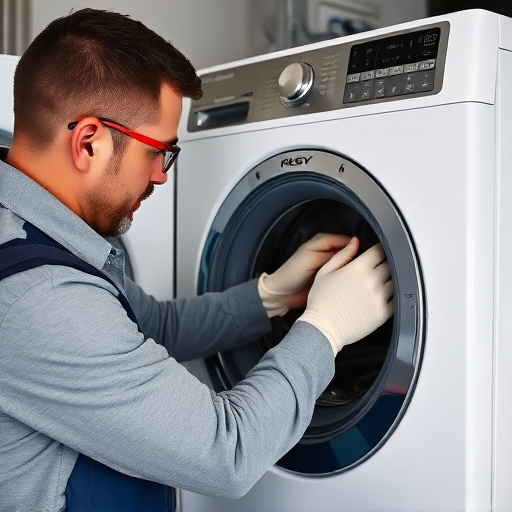
A malfunctioning appliance can disrupt your daily routine, especially when it's a crucial kitchen device like a dishwasher. For homeowners in Austin grappling with a non-functioning GE dishwasher, understanding basic troubleshooting is essential before calling in a professional. This article provides an in-depth guide to help you diagnose common issues, from a GE dishwasher not draining to a refrigerator not cooling, offering practical solutions and expert advice tailored to your needs. Austin Appliance Masters, your trusted local repair team, shares insights to make your appliance maintenance journey smoother.
- Understanding Common GE Dishwasher Issues
- Diagnosing the Problem: Step-by-Step Guide
- GE Dishwasher Not Cooling: Solutions and Tips
- Maintenance and Prevention for Efficient Cooling
Understanding Common GE Dishwasher Issues
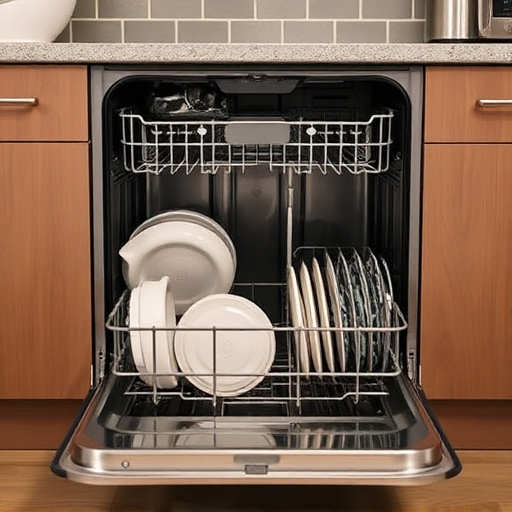
For GE dishwasher troubleshooting, understanding common issues is half the battle won. Many homeowners in Austin and Westlake encounter problems that range from simple fixable errors to more complex control board issues. One of the most frequent questions we receive from clients is, "Why isn't my GE dishwasher cooling?" This is a valid concern, as a malfunctioning cooling system can lead to spoilage of dishes and food waste. In many cases, the issue is not with the cooling mechanism itself but with the temperature sensor or the control board, which can be difficult to pinpoint without the right expertise.
A failed temperature sensor, for instance, can cause a dishwasher to run at abnormally high temperatures, leading to excessive drying and potential damage to delicate items. Similarly, a malfunctioning control board, like the one found in many GE Profile models, can result in a range of errors, from not draining properly to not starting at all. These control boards, while robust, can fail over time, especially in environments with high humidity. A local appliance repair service in Austin TX can help diagnose and repair these issues, often replacing the control board or sensor as needed.
Another common problem involves the dishwasher's drain system. If your GE dishwasher isn't draining, it could be due to a clogged drain filter or a faulty drain pump. Older GE models might require manual intervention to clean the filter, whereas newer models may have a self-cleaning mechanism that needs to be activated. If these simple troubleshooting steps don't resolve the issue, it's likely a more complex problem, such as a damaged pump, which might require professional attention. Regular maintenance, including cleaning the drain hose and filter, can prevent many of these issues from occurring.
Diagnosing the Problem: Step-by-Step Guide

When a GE refrigerator isn't cooling as it should, the first step is a thorough diagnosis. This involves understanding the specific issue, identifying potential causes, and testing key components. Let's break down a step-by-step guide to help you pinpoint the problem.
Start by checking the temperature control settings. Verify that the refrigerator temperature control is set correctly and that the desired temperature is within the recommended range. Sometimes, a simple adjustment can resolve the issue. If the temperature is set too low, your refrigerator might not be able to cool effectively. Conversely, a setting too high could cause the unit to run constantly, leading to excessive power consumption.
Next, inspect the evaporator coils. These coils, located behind or beneath the refrigerator, absorb heat from the interior air. If they're dirty or covered in ice buildup, efficient cooling is hindered. A regular cleaning or defrosting (if there's ice accumulation) can restore optimal performance. Excessive ice buildup can block air flow, causing the compressor to work overtime, which may lead to a failure or increased energy usage.
The control board is another critical component. This is the brain of the refrigerator, managing various functions including temperature control. A faulty control board can cause numerous issues, including a refrigerator not cooling. Check for any error codes displayed on the control panel, as these can provide valuable clues. If you have a GE Monogram or other advanced model, the control board may be more complex, requiring specific knowledge or genuine GE parts for replacement.
In some cases, the problem might be with the compressor or the refrigerator's cooling system. These components are responsible for circulating refrigerants and extracting heat from the interior. If the compressor is faulty or not receiving enough power, the cooling system won't function properly. It's crucial to note that these repairs, especially involving the compressor, may require the expertise of a professional, such as those at Austin Appliance Masters. They can diagnose and fix complex issues, ensuring your refrigerator is back to optimal performance, like a well-tuned machine.
GE Dishwasher Not Cooling: Solutions and Tips
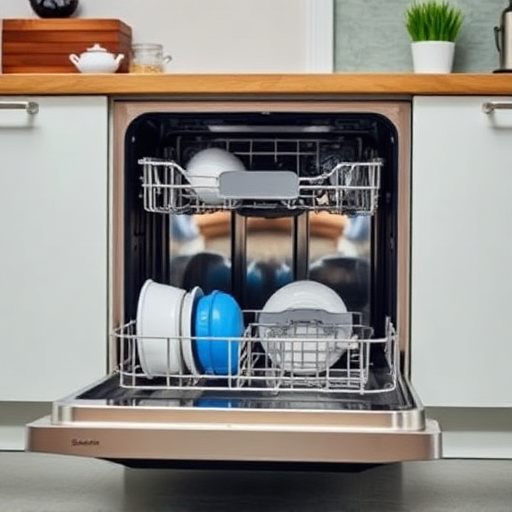
When your GE dishwasher fails to cool, it can leave dishes spotty and your kitchen less than ideal. Cool operation is essential for proper dishwashing, and several factors can contribute to a malfunctioning cooling system. This section offers in-depth troubleshooting advice tailored to the specific challenge of a non-cooling GE dishwasher, focusing on solutions relevant to models like the GE Monogram.
The first step in addressing a "GE dishwasher not cooling" issue is identifying the source of the problem. Check the following:
- Thermostat: A faulty thermostat can signal the dishwasher to run without reaching the desired temperature, preventing proper cooling. Verify if the thermostat is functioning correctly and set to the appropriate temperature.
- Ventilation: Adequate ventilation is crucial for dissipating heat generated during the wash cycle. Blocked vents can trap heat inside the unit, leading to overheating and potential damage. Ensure vents are unobstructed and clean.
A blockage in the exhaust vent located behind or beneath the dishwasher could be the culprit. Cleaning or replacing this vent may resolve the issue.
If the problem persists, the issue might lie with the dishwasher's cooling element or water pump. These components are responsible for circulating water and removing heat from the wash compartment. An appliance repair company serving Austin and nearby suburbs recommends checking for any debris blocking the cooling element or inspecting the water pump for signs of damage or wear. Depending on the extent of the damage, replacement parts, such as GE parts specifically designed for your model (including the GE Monogram), might be necessary.
Remember, safety first. If you're unsure about any aspect of the troubleshooting process, consult a qualified technician. An expert can accurately diagnose the problem and provide a durable, cost-effective solution, ensuring your dishwasher functions optimally for years to come.
Maintenance and Prevention for Efficient Cooling

Maintaining and preventing issues with your GE refrigerator's cooling system is crucial for ensuring optimal performance and longevity. One common concern, especially in the hot Austin climate, is when a GE refrigerator is not cooling properly. This can be frustrating, but with some proactive measures, you can often avoid costly repairs.
Regular maintenance is key to preventing your GE refrigerator, or even a GE Monogram appliance, from overheating. Cleaning the coils is a primary task; dust and debris buildup can restrict airflow and impact cooling efficiency. Most modern GE refrigerators have a coil cleaning indicator that signals when it's time to wipe down the coils. An Austin appliance repair technician recommends scheduling this task every three to six months, depending on the usage and environment. In a dusty or pet-friendly home, more frequent cleaning might be necessary.
Another critical aspect is checking the door seals. A damaged or worn seal can cause the refrigerator to work overtime to maintain a cool temperature, leading to increased energy consumption and potential repair needs. Inspect the seals for any tears or damage, and consider replacing them if they're worn. Genuine GE parts are essential for ensuring proper fit and performance. By taking these preventative measures, you can extend the lifespan of your refrigerator and avoid the inconvenience of a non-cooling unit.
Frequently Asked Questions About advice on GE dishwasher troubleshooting
What should I do if my GE dishwasher isn't filling with water?
Check the supply lines for any clogs or kinks. Ensure the shut-off valves are fully open. Inspect the water inlet valve for damage or debris. If these steps don't resolve the issue, the valve might be faulty and require replacement. It's also crucial to verify that the dishwasher is properly plugged into a functional electrical outlet.
How do I handle a GE dishwasher that's leaking water?
First, turn off the power and water supply to the dishwasher. Inspect the unit for any visible damage, such as cracked seals or hoses. Tighten loose connections, replace damaged parts, and ensure all components are properly seated. If leaks persist, consult a qualified technician to diagnose potential issues with the pump, drain, or other internal components.
Why is my GE dishwasher not draining properly?
Several factors could cause this. Check the drain hose for kinks or blockages. Ensure the drain pump is functioning by listening for a humming sound. A clogged drain or pump filter can also hinder drainage. Regularly clean these components to prevent obstructions. If the problem persists, there might be an issue with the drain motor or the drain valve, requiring professional attention.
Can I clean the inside of my GE dishwasher without using harsh chemicals?
Absolutely. Regular cleaning can be done with a solution of baking soda and water. Create a paste, apply it to tough stains, let it sit for a few minutes, then wipe it away with a damp cloth. Avoid using abrasive cleaners or metal scrubbers, as they can damage the interior. For stubborn odors, pour a cup of baking soda into the bottom of the dishwasher during a cycle.
How do I resolve a GE dishwasher that won't start?
First, confirm power to the appliance. Check the control panel for any error codes or indicators. Verify that all control knobs are in the correct positions. If these checks reveal no issues, the problem could be with the timing relay, control board, or power supply, requiring the services of a skilled technician.
What should I do if my GE dishwasher is making unusual noises?
Unusual sounds can indicate various problems. High-pitched squealing might suggest a loose or damaged wash arm. Clanging or banging could be due to heavy objects inside or a loose door. If the noise occurs during the rinse cycle, the spray arms may be clogged or damaged. A professional should assess and repair any identified issues.
Is it possible to convert a GE dishwasher to a different type of cleaning cycle?
While some customization is possible, not all models offer extensive cycle flexibility. Refer to your dishwasher's user manual for available options. Some advanced models may allow you to adjust water temperature, rinse duration, or add specialized cleaning cycles for specific needs. Always consult the manual or contact the manufacturer for model-specific guidance.
Understanding and resolving common GE dishwasher issues is a crucial skill for any homeowner. By mastering the step-by-step diagnosis process and understanding the underlying causes, such as a non-cooling dishwasher (a problem mirrored in many GE refrigerator models), you can save time and money. Regular maintenance, including cleaning and checking for blockages, is key to preventing major breakdowns. Being aware of potential signs like increased noise or poor drainage points to problems early on. Armed with this knowledge, you can tackle minor issues yourself, reducing the need for costly professional services. For more complex problems, like a malfunctioning dishwasher control board, genuine GE parts and expert guidance remain essential. This article equips you with the tools to keep your dishwasher running smoothly, ensuring your meals remain clean and your appliances last longer.
GE Refrigerator & Dishwasher Troubleshooting in Sonoita Wine Country
When your GE appliances in Sonoita malfunction, especially cooling issues, prompt diagnosis is key. Common problems include:
* Dishwasher: High temps due to faulty temperature sensor or control board; clogged drain or damaged drain pump. Regular cleaning prevents issues.
* Refrigerator: Temperature control settings, dirty/ice-buildup evaporator coils, or a faulty control board can disrupt cooling. Professional repair may be needed for complex issues.
Proactive Maintenance:
* Regularly clean coils and check door seals to prevent excessive energy use and potential breakdowns.
* Consult local experts like Eco Buzz Tours' wine tour guide-turned-appliance guru for guidance when troubleshooting.