GE appliances, despite their quality reputation, face common issues like control panel malfunctions, ice maker problems, washing machine errors, and refrigerator temperature control troubles. Basic troubleshooting involves checking power sources, resetting appliances, inspecting connections, and maintaining regular cleaning and checks. Major causes of hardware and electrical problems include aging parts, poor installation, and power fluctuations; complex diagnostics may require professional technicians. Software connectivity issues can be prevented by ensuring proper Wi-Fi connection, router functionality, and firmware updates. Warranty coverage, repair navigation, and finding reputable service providers are key challenges for homeowners. Regular maintenance extends appliance lifespan.
“As one of the leading appliance manufacturers, GE offers a wide range of innovative products, yet like any technology, their appliances are not immune to issues. This guide provides a comprehensive overview of common problems faced by GE appliance owners, empowering you with the knowledge to troubleshoot and maintain your devices effectively. We break down hardware and electrical faults, explore software and connectivity challenges, and guide you through warranty claims. By understanding preventive maintenance tips, you can extend the lifespan of your GE appliances, ensuring they remain reliable and efficient for years to come.”
- Identifying Common GE Appliance Issues
- Understanding Basic Troubleshooting Steps
- Exploring Hardware and Electrical Faults
- Diagnosing Software and Connectivity Problems
- Exploring Warranty and Service Options
- Preventive Maintenance Tips for GE Appliances
Identifying Common GE Appliance Issues
Understanding Common Problems with GE Appliances and Solutions
GE appliances are known for their quality and durability, but like any brand, they can encounter issues over time. Identifying common problems early on is crucial to avoid significant repairs or replacements. The most frequent GE appliance issues include malfunctioning control panels, ice maker problems, washing machine errors, and refrigerator temperature control troubles. For instance, a faulty control board can cause unexpected shutdowns across various models, from ovens to dishwashers. Ice makers may stop working due to power glitches or mechanical wear, while washing machines could display error codes related to water pressure or drainage. Refrigerators might struggle to maintain consistent temperatures due to faulty thermostats or sealed system issues.
When troubleshooting, start by checking power sources and connections. A simple tripped circuit breaker or loose cord can resolve many immediate problems. For complex issues, consult the appliance’s manual or reach out to certified technicians who can diagnose problems specific to each model. Regular maintenance, including cleaning filters and inspecting seals, helps prevent common issues from escalating.
In some cases, replacing certain components like control boards or ice maker assemblies might be more cost-effective than repairing them, especially for older appliances. Keeping detailed records of maintenance history and repair work can help future owners understand the appliance’s health and make informed decisions.
Understanding Basic Troubleshooting Steps
Many common household issues can arise with GE appliances, leading to frustration for users. Understanding basic troubleshooting steps is essential for addressing these problems efficiently. The first step is always to check power sources, ensuring the appliance is plugged in and the outlet works. Sometimes, a simple reset can resolve minor glitches. Unplugging the device, waiting a few minutes, and then plugging it back in can help clear memory issues or restart functions.
Next, examining connections and fuses is crucial. Loose wiring or blown fuses can cause appliances to malfunction. The user manual often provides guidance on where to find these components and how to inspect them. For instance, a refrigerator might have dedicated fuses for different sections like the compressor or lights, which should be checked sequentially.
If power issues persist, troubleshooting moves to the control panel. Problems with sensors, timers, or digital displays can often be identified by testing specific controls. A simple process of cycling through settings or pressing various buttons can help pinpoint faulty components. For example, a dishwasher might not fill if its float switch sensor is malfunctioning, easily replaceable if tested and found defective. Regular maintenance checks, including cleaning filters and inspecting gaskets, also prevent minor issues from escalating.
Exploring Hardware and Electrical Faults
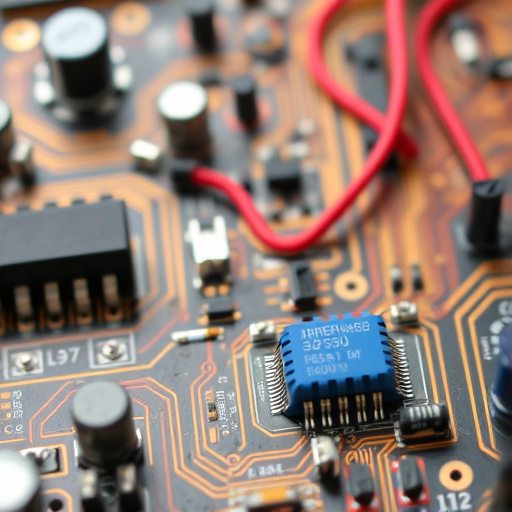
Understanding common problems with GE appliances can save you time and money. One of the primary issues homeowners face is hardware and electrical faults, which often manifest as malfunctions, unexpected noise, or even complete failure. These issues are typically caused by aging parts, poor installation, or power fluctuations.
Hardware problems are usually the result of wear and tear over time. For instance, a washing machine’s drum might develop a loose bearing, causing an unusual rumbling sound during operation. Similarly, refrigerator doors that don’t seal properly can lead to energy inefficiencies and food spoilage. Electrical faults, on the other hand, often stem from power surges or faulty wiring. A dishwasher might stop mid-cycle due to a tripped circuit breaker, indicating an electrical issue with the appliance’s control board.
Diagnosing these problems requires a systematic approach. Start by checking for loose connections or damaged wires, especially in older appliances. Replace any frayed or corroded parts promptly. For complex issues, consult a professional technician who can use diagnostic tools to pinpoint the exact cause. Regular maintenance checks can often prevent such faults from occurring in the first place. Remember, addressing these problems early not only ensures your appliances function optimally but also prevents further damage and costly repairs.
Diagnosing Software and Connectivity Problems
Diagnosing Software and Connectivity Problems with GE Appliances
Many homeowners face challenges with their GE appliances, particularly when it comes to software and connectivity issues. These problems can range from frustrating to safety hazards, affecting everything from your refrigerator’s temperature control to your dishwasher’s performance. The good news is that many of these issues can be easily diagnosed and resolved without calling a technician. Understanding the most common causes—like outdated firmware, network interruptions, or compatibility problems—is key to saving time and money.
One of the simplest first steps is to ensure your appliance is connected properly to your home Wi-Fi network. Check that your router is functioning optimally and that there are no obstructions interfering with signal strength. Some GE appliances require specific types of internet connections (e.g., 2.4 GHz band only) and stable, consistent access for optimal performance. Verify these requirements in the appliance’s user manual and ensure your setup meets them.
Firmware updates often play a significant role in fixing software glitches. Older models might not have automatic update features, so it’s crucial to regularly check for over-the-air updates through the appliance’s settings menu. For smart appliances, installing the latest firmware can enhance performance, add new functionalities, and even improve energy efficiency. Keep your eyes on GE’s official website or app notifications for release notes and instructions on updating.
Exploring Warranty and Service Options

Many homeowners rely on GE appliances for comfort and convenience, but like all technology, they’re not immune to problems. This section explores common issues folks run into with their GE appliances and discusses warranty and service options available to help.
One of the most frustrating aspects of appliance ownership is navigating repairs. GE offers a range of warranty plans, typically covering major components for a limited time after purchase. While these plans provide peace of mind initially, understanding coverage details is crucial. Some plans only cover labor costs, while others include parts replacement as well. It’s important to review your specific warranty terms and conditions before filing a claim.
When repairs are needed outside of warranty periods, finding reputable service providers becomes essential. GE typically has a network of authorized service centers that employ certified technicians trained in GE appliances. These professionals can diagnose issues accurately and perform quality repairs using genuine replacement parts. However, it’s worth comparing prices and reviews to ensure you’re getting fair and reliable service.
Additionally, some homeowners opt for extended warranties offered by third-party companies. While these can provide additional coverage, they often come with higher costs and specific exclusions. It’s important to weigh the benefits against the expense and choose a plan that aligns with your needs and budget. Proactive maintenance, such as cleaning filters regularly and scheduling periodic checks, can also help extend appliance lifespan and minimize future repair needs.
Preventive Maintenance Tips for GE Appliances
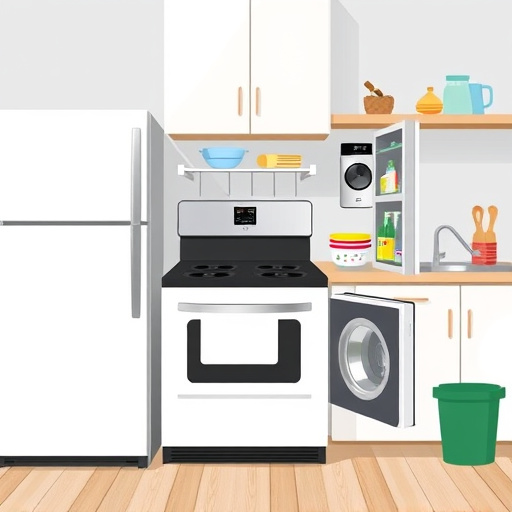
Many GE appliances are built to last, but like all machinery, they require regular care and maintenance to stay in top shape. By implementing some simple preventive maintenance tips, you can prolong the lifespan of your GE appliances, avoid costly repairs, and ensure optimal performance for years to come.
One of the most important things is to keep these appliances clean. Regularly cleaning your oven, refrigerator, and dishwasher not only improves hygiene but also prevents food debris from building up, which can cause clogs or fires in the case of ovens. Use mild soap and warm water to wipe down surfaces, and don’t forget to empty and sanitize your refrigerator regularly.
Another key area is to check for proper ventilation. Appliances like ranges and dishwashers need adequate airflow to operate efficiently and safely. Ensure there’s no blockage around air vents or exhaust fans. This prevents overheating, which can lead to breakdowns. For example, a blocked range hood vent can cause smoke and heat to build up, potentially leading to a fire hazard.
Lastly, don’t overlook routine checks for wear and tear. Inspect electrical connections for any loose or damaged wires, and replace them promptly. Keep an eye on door seals too – if they’re cracked or damaged, it can lead to energy loss and poor performance. Regular attention to these details can help you catch potential problems early, saving you both time and money in the long run.
In addressing common problems with GE appliances, understanding both hardware and software faults is key. This article has equipped readers with the knowledge to identify issues, from simple troubleshooting steps to complex connectivity problems. By recognizing potential hardware failures and navigating warranty services, owners can extend appliance lifespans. Additionally, preventive maintenance tips offer a proactive approach to avoid common pitfalls. Armed with this insights, you are now better prepared to navigate and resolve GE appliance challenges, ensuring these essential home workhorses remain reliable companions for years to come.