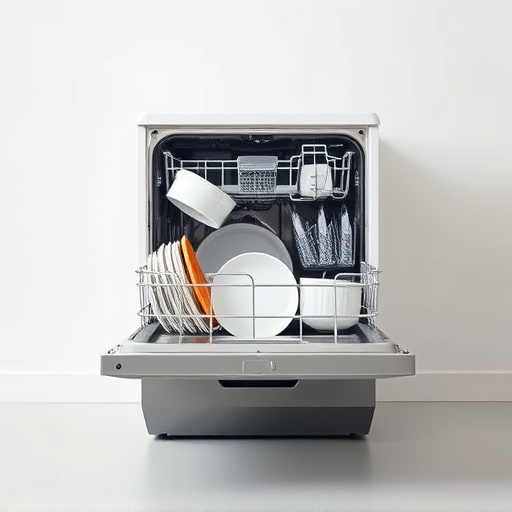
Dishwashers simplify meal cleanup but require regular maintenance to prevent common issues like poor cleaning, leaks, and odd noises. Basic troubleshooting for simple malfunctions is effective, but complex problems necessitate professional repair services. Regular maintenance, including filter cleaning and optimal loading, extends the lifespan of a GE dishwasher and ensures efficient cleaning.
Dishwashers are an essential modern convenience, but even the most reliable models can encounter glitches that disrupt your clean-up routine. This guide provides a comprehensive approach to GE dishwasher repair, empowering you to tackle common issues and restore optimal performance. We'll navigate through understanding typical problems, from leaky doors to inadequate cleaning, offering a step-by-step diagnosis process. Learn to access spare parts efficiently and identify solutions for basic malfunctions. Moreover, we'll guide you on when advanced repairs demand professional assistance and share tips for preventive maintenance, ensuring your dishwasher serves you well for years to come.
- Understanding Common GE Dishwasher Issues
- Diagnosing the Problem: A Step-by-Step Guide
- Accessing and Identifying Spare Parts
- Troubleshooting Basic Malfunctions
- Advanced Repairs: When to Seek Professional Help
- Preventive Measures for Longevity and Efficiency
Understanding Common GE Dishwasher Issues
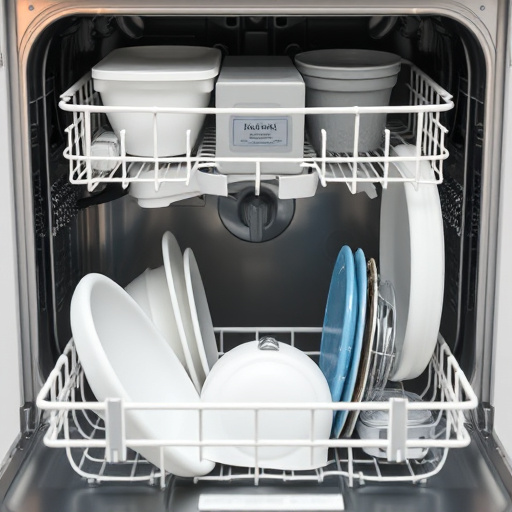
Dishwashers are designed to simplify cleaning up after meals, but they can develop issues that disrupt your routine. As a GE dishwasher owner, it's essential to recognize common problems so you can handle them promptly or know when professional repair is necessary. Understanding these issues empowers you to keep your dishwasher running smoothly and efficiently.
One of the most frequent complaints is poor cleaning performance. This could be due to various factors, such as blocked filters or spray arms, insufficient detergent use, or outdated seals that prevent water from reaching all parts of the dishwasher. Another common issue is leaking, which may indicate worn-out gaskets or damaged hoses. Not only does a leaky dishwasher waste water and increase your utility bills, but it can also lead to mold growth if left unaddressed.
Odd noises during operation are another telltale sign of potential problems. A grinding noise, for instance, could signal a damaged drain pump or impeller. Squealing or whining sounds may be caused by worn-out gears or belt tensions. Identifying these issues early can prevent further damage and ensure your dishwasher operates at peak efficiency, making it an essential part of regular maintenance.
Diagnosing the Problem: A Step-by-Step Guide

When your GE dishwasher stops performing optimally, it can feel like a cleanup nightmare. But fear not! Diagnosing and fixing the issue doesn't have to be complicated. This step-by-step guide will help you identify common problems and find solutions. Start by checking for power issues; an obvious but often overlooked culprit. Verify if the dishwasher is plugged in securely and the circuit breaker isn't tripped. Next, inspect the filter for any food debris buildup, which can cause water flooding or poor cleaning performance. If your machine still doesn't work properly, check the temperature settings, as incorrect temperatures might prevent proper dishwashing.
Take note of unusual noises or smells; these could indicate problems with the motor, pump, or heating element. For instance, a grinding noise may signal a worn-out impeller while a burning odor often points to an overheating issue. If you're comfortable doing so, test each component individually and replace as needed. Remember, safety first! Unplug your dishwasher before beginning any troubleshooting steps.
For more complex issues like water leaks or persistent cleaning problems, consider consulting a professional repair service. They have the expertise and tools to diagnose tricky cases accurately and efficiently, ensuring your dishwasher is back in top shape for hassle-free clean-up once again.
Accessing and Identifying Spare Parts
When it comes to GE dishwasher repair, accessing and identifying spare parts is a crucial step for hassle-free clean-up. The process begins with understanding your model number—a key piece of information that helps you locate the right replacement parts. Once you have this, navigating online or in-store inventory becomes much simpler.
Many common issues can be addressed by replacing specific components like spray arms, seals, or heating elements. For example, a blocked spray arm is often responsible for spots on dishes and can be easily replaced with a few simple tools. Alternatively, a faulty door seal may cause leaks and can be ordered as a complete kit to ensure a proper repair. It’s important to consult your dishwasher’s manual or search for model-specific guides online before beginning any repairs.
Online retailers offer a wide range of options, making it convenient to find exact matches for your needs. Additionally, many DIY repair communities provide detailed tutorials and part suggestions tailored to various models, offering a wealth of knowledge for those comfortable with troubleshooting. Remember, proper identification is key; taking accurate measurements or noting down model details can save time and frustration when sourcing spare parts.
Troubleshooting Basic Malfunctions
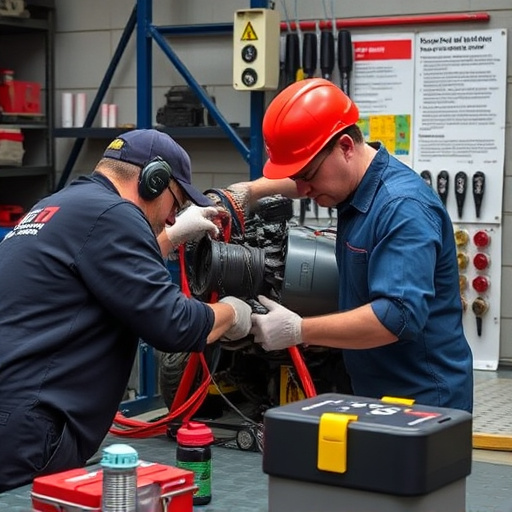
A broken dishwasher can throw a wrench into your kitchen routine, but with some basic troubleshooting, you can often fix common issues quickly and get back to enjoying clean dishes. Here’s how to tackle those pesky problems and restore order to your dishwashing duties.
The first step in repairing any appliance is identifying the specific malfunction. Common GE dishwasher problems include not filling with water, poor cleaning performance, unusual noises, or not draining properly. Start by checking for simple fixes like a blocked filter or loose connection. A quick visual inspection can rule out issues with exposed electrical parts or visible damage to pipes and hoses. If you're comfortable, test the water supply valves for leaks or clogs by turning them off at the main shut-off valve under your sink.
If initial checks don't reveal a problem, consult the dishwasher’s control panel. Many issues can be traced back to faulty controls or sensors. For instance, if your machine doesn’t start, check the power supply and make sure the plug is firmly inserted. If it's a digital model, inspect the display for error codes that can point you in the right direction. Don't ignore beeps or unusual noises – they might signal a sensor malfunction.
For more complex issues, like inadequate cleaning or persistent leaks, refer to your dishwasher’s manual or consult an appliance repair service. Remember, safety is paramount when dealing with electrical appliances. If you're unsure about any aspect of the repair process, it's always best to seek professional assistance to ensure proper and safe resolution.
Advanced Repairs: When to Seek Professional Help

Advanced Repairs: When to Seek Professional Help for Your GE Dishwasher
If you've tried troubleshooting common issues like a dishwasher that's not draining or a wonky wash cycle, but nothing has worked, it might be time to consider professional repair services. While many simple problems can be fixed with a few DIY tricks, complex issues often require specialized knowledge and tools. Here’s how to tell when it’s best to call in the experts for your GE dishwasher.
Dishwashers are intricate appliances with many moving parts. When problems go beyond a faulty door seal or broken spray arm, things like electrical malfunctions, faulty heating elements, or issues with the control board can arise. These problems aren't always obvious and require careful diagnosis. Professional repair technicians have the training and experience to identify these complex issues accurately. They also have access to genuine replacement parts, ensuring repairs are done right the first time.
Consider seeking professional help if you encounter persistent problems like: a dishwasher that won’t start, water leaks from unexpected areas, strange noises during operation, or dishes coming out dirty. A qualified technician will be able to diagnose and fix these issues effectively, saving you time, money (and potentially further damage) in the long run. Remember, regular maintenance can prevent many future problems, but even the best-cared-for dishwashers may reach a point where professional repair is the only option for optimal performance and longevity.
Preventive Measures for Longevity and Efficiency

A well-maintained GE dishwasher can significantly extend its lifespan and ensure efficient cleaning for years to come. Preventive measures are key to avoiding costly repairs and maintaining a hygienic kitchen environment. Here’s a breakdown of expert tips tailored to this popular appliance.
Regular Cleaning and Maintenance are Paramount. Just like any machine, a dishwasher needs regular care to function optimally. Start by clearing any food debris from the filter after each wash cycle. This simple step prevents buildup that could clog pipes and damage internal components. Additionally, wipe down the interior walls with a mild detergent and a damp cloth. Doing so removes soap residue and grime, ensuring better water circulation and cleaning performance.
Inspect for Leaks and Water Issues. A common yet often overlooked problem is leaks, which can stem from various sources like worn-out seals or damaged hoses. Regularly check these areas for any signs of moisture or wetness outside the dishwasher. Addressing leaks early prevents water damage to your kitchen floor and surrounding cabinets while ensuring your dishwasher operates efficiently without extra strain on its components.
Optimal Loading Techniques Enhance Performance. Efficient loading is crucial not only for space utilization but also for effective cleaning. Ensure silverware and delicate items are placed in specialized racks, preventing scratches and allowing water to flow freely. Larger items like pans should be positioned at the bottom, tilted slightly to allow debris to drain away. Following these guidelines ensures your dishwasher's spray arms reach every corner, delivering a thorough clean without spots or residue.
In addressing GE dishwasher repair, this comprehensive guide has empowered you to tackle common issues, diagnose problems step-by-step, locate spare parts, and even perform advanced repairs when needed. By understanding the preventative measures for longevity and efficiency, you've now armed yourself with the knowledge to ensure hassle-free clean-up sessions for years to come. Remember, proactive maintenance is key in any appliance's lifecycle, and your newfound expertise will not only save costs but also contribute to a more sustainable home environment. Let these insights serve as your guide, ensuring smooth sailing through every dishwashing task.