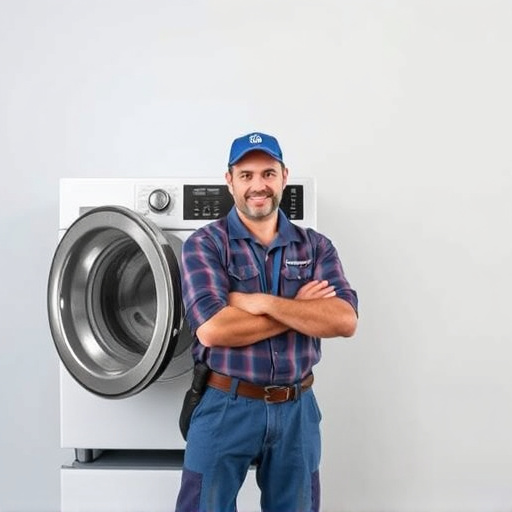
Regularly inspect and maintain GE appliances to prevent issues. Clean according to appliance type and usage. Follow manufacturer instructions for safety and longevity. Monitor performance for subtle changes. Perform DIY troubleshooting for minor issues. Consult professionals for complex problems.
“The lifeblood of your modern kitchen and home lies in the reliable performance of your GE appliances. This guide offers a comprehensive strategy to ensure longevity and optimal function, preventing costly breakdowns and disruptions. By understanding the fundamentals of your GE devices, implementing regular cleaning routines, prioritizing safety, and staying vigilant for performance changes, you can maintain top-notch appliances. Additionally, this resource equips you with the knowledge to tackle basic troubleshooting or guide you towards professional assistance when needed.”
- Understand Your GE Appliances' Basics
- Regular Cleaning and Maintenance Routine
- Essential Safety Precautions for Operation
- Monitoring Performance and Early Detection Signs
- Professional Service and DIY Troubleshooting
Understand Your GE Appliances' Basics

Understanding your GE appliances’ basics is key to preventing future issues. Every appliance has unique features designed to optimize performance and efficiency. To maintain these, start by familiarizing yourself with their basic operations, parts, and care instructions. For instance, know the purpose of each control panel, how the door gaskets seal, and where common wear-and-tear points are located. This knowledge enables you to spot potential problems early on, like a weak seal or worn-out components.
Regular cleaning is another cornerstone of appliance maintenance. Different GE appliances require distinct care routines. Your refrigerator, for example, should have its coils cleaned periodically to maintain optimal cooling. Ovens and ranges need their interiors scrubbed regularly to prevent food buildup that can affect cooking performance. Always refer to your appliance’s user manual for specific cleaning instructions tailored to your model.
Proper storage also plays a crucial role in keeping your GE appliances running smoothly. Avoid storing items with strong odors, like garlic or fish, inside refrigerators to prevent flavor transfer and potential damage to seals. Keep dishwashers free from large debris that could obstruct spray arms, ensuring thorough cleaning. Additionally, don’t overload your washing machine, as this can strain components and lead to inefficient operation.
Regular Cleaning and Maintenance Routine

Maintaining your GE appliances with a regular cleaning and maintenance routine is key to preventing future issues. It’s not just about keeping things tidy; it’s about safeguarding your investment and ensuring these essential home workhorses continue to serve you well for years to come. Think of it as preventive care for your kitchen and laundry rooms.
A good starting point is to create a schedule that aligns with the specific needs of each appliance. For instance, your dishwasher, used daily, deserves more frequent attention than your standalone ice maker, which might only get activated a few times a week. Start by cleaning the visible parts: wiping down exterior surfaces, emptying and sanitizing racks, and scrubbing any food residue from spray arms. Don’t forget to regularly replace filters, which trap bits of food and other contaminants. For appliances with moving parts, like washing machines, consider adding a cycle with white vinegar or a specialized cleaner to help dislodge buildup and odors.
Beyond surface-level cleaning, periodic deep cleaning is essential. This might involve pulling out the refrigerator and thoroughly wiping down the shelves and drawers, or emptying and cleaning the dryer’s lint trap to prevent fires and maintain energy efficiency. For stove tops and ovens, consider using specialized cleaners designed for tough, baked-on grease and residue. Don’t underestimate the importance of listening to your appliances too – unusual noises can be early warning signs of potential problems. Regular maintenance not only keeps things running smoothly but also helps you catch issues early, saving you money and hassle down the line.
Essential Safety Precautions for Operation

Maintaining your GE appliances properly is essential for ensuring safety, preventing unexpected breakdowns, and extending their lifespan. Here are some crucial tips focused on essential safety precautions to keep in mind when operating these devices.
Always follow the manufacturer’s instructions provided in the user manual. These guides offer specific care recommendations tailored to each appliance. For instance, ensure proper ventilation for your range or oven by keeping clear space around it, as inadequate airflow can lead to hazardous situations and reduced performance. Regular cleaning is vital; accumulate too much grease or debris, and you risk fire hazards or inefficient operation. Take time to unplug and wipe down surfaces periodically.
Another critical aspect is to keep electrical connections secure. Inspect power cords for any signs of damage or fraying, and replace them promptly if necessary. A damaged cord can lead to electrical malfunctions, posing a significant safety risk. Be cautious when handling appliances with heating elements, such as water heaters or toasters, and avoid placing flammable items nearby to minimize the risk of fires.
Lastly, stay alert for unusual noises or smells. Odd sounds or persistent odors from your appliances are potential indicators of underlying problems that require professional attention. Ignoring these signs could lead to more severe issues down the line. Regular maintenance checks, including examining components like belts and gaskets, can help identify minor problems early on, preventing them from escalating into costly repairs or safety hazards.
Monitoring Performance and Early Detection Signs

Maintaining your GE appliances properly is key to preventing future issues and ensuring they operate efficiently for years to come. One of the most important aspects of appliance maintenance is monitoring their performance and being able to recognize early signs of potential problems. By staying vigilant, you can catch issues before they turn into costly repairs or major breakdowns.
Regularly checking your appliances’ performance involves paying attention to subtle changes in their operation. For instance, if your dishwasher starts to take longer than usual to complete a cycle or if your refrigerator’s temperature settings aren’t keeping food cold, these could be early indicators of problems. Monitoring energy usage is another key tip; sudden spikes or drops can signal issues with the appliance or its components. Additionally, keep an eye out for unusual noises—a grinding sound from your dishwasher or a rattling noise from your dryer—as these sounds may indicate worn-out parts.
To stay proactive, set up a schedule for routine checks and cleaning of your GE appliances. This includes unplugging and thoroughly cleaning the exterior and interior of each appliance to prevent dust buildup, which can affect performance. Many modern appliances also have diagnostic features; utilize these tools to run regular tests on key components, as they can provide valuable insights into potential issues before they become serious problems.
Professional Service and DIY Troubleshooting

Maintaining your GE appliances doesn’t have to be a complicated task. By following some expert tips on professional service and DIY troubleshooting, you can prevent future issues and keep your appliances running smoothly.
One of the most important aspects is regular maintenance checks. Similar to how a car needs periodic tune-ups, your appliances benefit from routine servicing. Consider setting reminders for yourself to check major appliances like refrigerators, dishwashers, and ovens at least once a year. Look for signs of wear and tear, such as unusual noises, leaks, or changes in performance. For example, if your dishwasher starts to leave spots on dishes or takes longer than usual to complete a cycle, it might be time for a service call. Many GE appliances come with user manuals that offer specific maintenance guidelines, so ensure you refer to those as well.
When it comes to DIY troubleshooting, start by identifying the basic issue. For instance, if your refrigerator isn’t cooling properly, check the temperature settings first. Sometimes, simple adjustments can resolve problems. If you’re comfortable opening up appliances and checking components like filters or belts, go ahead—but be cautious. Use the manual as a guide and consult professionals for more complex tasks. Remember, not all issues are easily diagnosable, and trying to fix something beyond your expertise could cause further damage.
For instance, if you notice persistent problems with your oven, such as an uneven bake or unusual odors, don’t attempt to replace parts yourself unless you’re certain of the issue. Instead, contact a professional repair service that specializes in GE appliances. They have the training and tools to accurately diagnose and fix issues quickly, minimizing disruptions to your daily routine.
By understanding the fundamentals of your GE appliances, adopting a consistent cleaning and maintenance routine, prioritizing safety, staying vigilant for performance issues, and knowing when to seek professional help or tackle problems yourself, you can significantly extend the lifespan of these essential home devices. These strategies not only prevent costly breakdowns but also ensure optimal energy efficiency and reliable operation, contributing to both cost savings and environmental stewardship in the long run. Moreover, with this knowledge, you are empowered to make informed decisions about your household appliances, turning potential issues into manageable maintenance tasks.