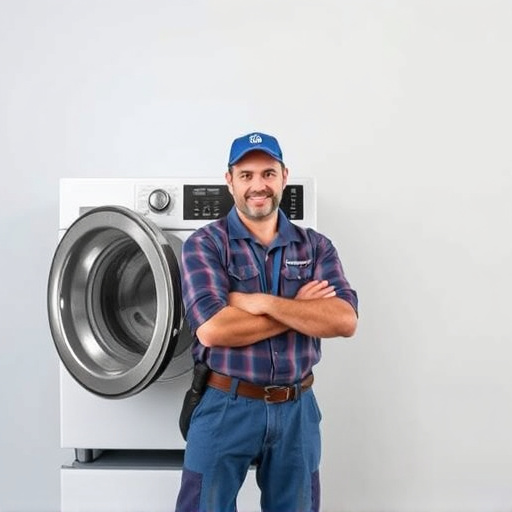
A comprehensive warranty protects investments by covering part replacement and labor for defects or normal use. It offers peace of mind, financial protection, and timely repairs. Understand coverage, exclusions, and terms to maximize benefits. Extended warranties provide enhanced protection at an extra cost, correlating with lower failure rates. Thorough record-keeping aids smooth claims processing.
In today’s fast-paced world, where consumer protection is paramount, understanding warranties is an essential step towards making informed decisions. This guide provides a comprehensive overview of warranty coverage, equipping you with the knowledge to navigate the intricacies of parts and labor guarantees. We’ll demystify what’s included and excluded, highlighting the peace of mind that comes with robust protection. From navigating claims processes to deciphering duration, this article arms you with the tools to protect your investments. By the end, you’ll grasp the significance of warranties as a powerful shield against unforeseen costs, ensuring your long-term satisfaction.
- Understanding Warranty Coverage: A Comprehensive Guide
- Parts and Labor: What's Included, What's Not
- Peace of Mind: Benefits of Comprehensive Warranty
- Navigating Claims: Tips for Smooth Process
- Warranty Duration: Protecting Your Investment Long-Term
Understanding Warranty Coverage: A Comprehensive Guide

Understanding Warranty Coverage for Peace of Mind
Did you know that a comprehensive warranty can offer peace of mind, protecting your investment and ensuring smooth operations? A warranty on parts and labor is like having a safety net—it guarantees coverage for any issues arising from manufacturing defects or normal use. This guide will help you navigate the complexities of warranty coverage, empowering you to make informed decisions about your purchases.
Warranty coverage typically includes replacement or repair of faulty parts and labor costs associated with the repair process. It’s not just a document full of legalese; it’s a promise from the manufacturer that they stand behind their products. For example, let’s say you buy a new appliance. A standard warranty might cover repairs for 1-2 years, ensuring that any problems during that period are addressed without significant out-of-pocket expenses. This is especially crucial for high-value items or those with complex mechanisms.
The key to maximizing your warranty benefits lies in understanding the terms and conditions. Always read the fine print to know what’s covered, what’s excluded, and any specific requirements like proof of purchase or proper usage. Some warranties may require you to use authorized repair centers, ensuring that repairs are done by trained professionals. Others might offer extended coverage for a fee, providing an extra layer of protection against unexpected costs. By familiarizing yourself with these details, you can make the most of your warranty and enjoy your purchases worry-free.
Parts and Labor: What's Included, What's Not
Warranties offer a safety net for your investment, providing peace of mind by covering both parts and labor costs associated with repairs. In this section, we clarify what’s included and excluded in these protections to help you understand your rights as a consumer.
Parts and Labor: What’s Included
A standard warranty typically covers all necessary parts and the skilled labor required to install or replace them. This includes routine maintenance and repair work specified by the manufacturer. For instance, if your air conditioner stops cooling effectively due to a faulty compressor (a covered part), the warranty will likely pay for its replacement along with the technician’s time to fit it. Regular oil changes, filter replacements, and certain diagnostic tests are also usually included as part of labor coverage.
What’s Not Included in Coverage
While warranties offer significant protection, they don’t cover every scenario. Here are a few examples of what might not be covered: damage caused by misuse or neglect, alterations or modifications made to the product outside of authorized service centers, and routine maintenance tasks that fall outside the manufacturer’s guidelines (like using the wrong type of oil). Additionally, labor costs for repairs unrelated to covered parts—such as replacing a damaged remote control or fixing a problem due to user error—are generally not included.
Understanding these inclusions and exclusions is vital. It allows you to make informed decisions when purchasing products and ensures that your warranty provides the protection you expect.
Peace of Mind: Benefits of Comprehensive Warranty

A comprehensive warranty on both parts and labor offers homeowners and business owners a vital safety net, providing peace of mind in an unpredictable world. This guarantee isn’t merely a selling point; it’s a commitment to your satisfaction and security.
When you invest in a product, whether it’s a new appliance or a sophisticated home security system, the possibility of unexpected breakdowns can be unsettling. A robust warranty steps in as a shield against these uncertainties. It ensures that if something goes wrong, you’re not left stranded. For instance, consider a smart thermostat that fails to maintain your desired temperature settings. With a comprehensive warranty, you can have it repaired or replaced without incurring unexpected costs. This peace of mind is invaluable, especially when you rely on these systems for daily comfort and safety.
Beyond direct financial protection, warranties foster trust between consumers and manufacturers. They demonstrate a company’s confidence in their products’ reliability. For businesses, offering extended warranties can enhance customer loyalty and encourage repeat purchases. A satisfied customer who knows they’re backed by a solid warranty is more likely to return for future services or purchases. This creates a loyal client base and fosters long-term relationships.
Moreover, warranties contribute to sustainable practices. By guaranteeing products for longer periods, manufacturers may design them with longevity in mind, reducing the need for frequent replacements. This approach conserves resources, minimizes waste, and aligns with growing environmental concerns.
Navigating Claims: Tips for Smooth Process

Navigating Claims: Tips for a Smooth Process
Having peace of mind is crucial when it comes to purchasing a new product or service. One of the best ways to achieve this? Understanding your warranty coverage. A comprehensive parts and labor warranty acts as a safety net, ensuring that any issues with your purchase are promptly addressed without causing unnecessary stress. In this section, we’ll guide you through navigating claims efficiently, providing tips for a smooth process that leaves you feeling secure and satisfied.
When a problem arises, the first step is to familiarize yourself with the warranty terms. Read through the documentation carefully to understand what’s covered, exclusions, and any conditions attached. Many manufacturers provide clear, concise summaries of coverage online or in user manuals, making it easier to check before contacting support. If you’re unsure, don’t hesitate to reach out to customer service for clarification. They’re there to help ensure your peace of mind.
Documenting the issue is key when filing a claim. Keep detailed records, including photos, videos, and any error messages displayed. This not only aids in confirming the problem but also serves as a reference during the troubleshooting process. Additionally, maintain all purchase receipts and warranty registration information. These documents streamline the claims process, making it faster and more efficient. Remember, the more comprehensive your record-keeping, the smoother the resolution.
Warranty Duration: Protecting Your Investment Long-Term

Having peace of mind knowing your investment is protected is crucial. That’s why understanding the duration of a warranty on parts and labor is essential for any smart consumer. When you purchase a product, whether it’s a new appliance, car, or home improvement item, the warranty acts as a safety net, safeguarding your financial well-being in the event of unforeseen issues.
Warranties typically come in two main types: limited and extended. The former usually covers basic defects for a period ranging from 90 days to one year, while extended warranties offer enhanced protection for an additional cost, extending the coverage period anywhere from 2 to 5 years or more. For instance, many appliance manufacturers provide a standard one-year warranty that covers both parts and labor, but offering an extended warranty can give homeowners peace of mind, ensuring they’re protected against costly repairs during the lifespan of their appliances.
Consider this: A study by the National Association of Consumer Advocates found that products with longer warranties often have lower failure rates than those covered for shorter periods. This suggests that manufacturers who stand behind their products with extensive warranty coverage believe in the quality and durability of their goods. Additionally, a comprehensive parts and labor warranty can help you avoid costly out-of-pocket expenses when unexpected issues arise, allowing you to focus on enjoying your purchase rather than worrying about repairs.
In today’s fast-paced world, understanding warranty coverage is paramount for ensuring peace of mind when making significant investments in your home or business. By comprehending what parts and labor are covered, you gain the assurance that unexpected repairs won’t drain your resources. The benefits extend beyond financial protection; a comprehensive warranty navigates potential claims smoothly, providing convenience during challenging times. As you consider the duration of your warranty, remember that this shield not only protects your investment but also fosters long-term trust in the products and services you’ve chosen. With this knowledge, you’re better equipped to make informed decisions and enjoy the fruits of your purchases worry-free.