GE ovens require stringent safety protocols for secure cooking. Key practices include fire prevention, gas stove ventilation, electrical maintenance, and troubleshooting heating issues. Regular maintenance involves cleaning, checking connections, and inspecting seals. The repair process begins with safety, diagnosis (using multimeter), part replacement, and final checks. Post-repair, adhere to manufacturer guidelines, conduct thorough inspections, and understand oven/range hazards for continued safe use.
“The GE oven and range are trusted companions in countless kitchens, but their intricate mechanisms can pose risks if not properly maintained. This guide offers a comprehensive roadmap for navigating the safety protocols, diagnosing issues, and mastering repairs of your GE cooking appliance, ensuring a seamless return to safe and efficient cooking operations.”
In this article, you will explore essential practices to identify and resolve common range and oven problems, decipher error codes, and learn a step-by-step repair process. We also emphasize the critical importance of adopting safe cooking practices after any repair work is completed.
- Understanding GE Oven Safety Protocols
- Diagnosing Common Range and Oven Issues
- Accessing and Interpreting Error Codes
- Step-by-Step Repair and Maintenance Guide
- Ensuring Safe Cooking Practices After Repair
Understanding GE Oven Safety Protocols
Understanding GE Oven Safety Protocols
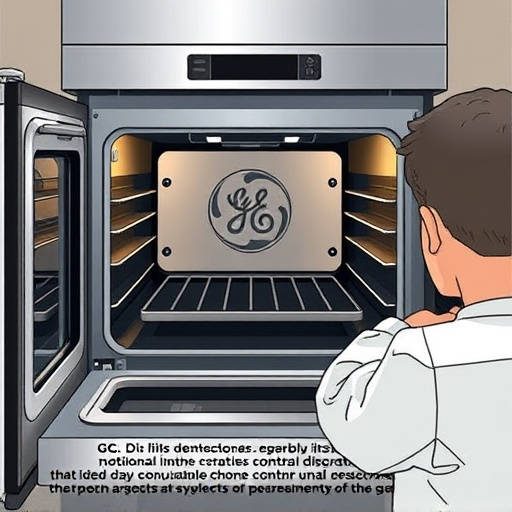
GE ovens and ranges are designed to make cooking easier and safer for your family. However, like all appliances, they require proper care and maintenance to ensure optimal performance and, most importantly, safety. This section delves into critical GE oven safety protocols, providing insights on how to navigate potential hazards, prevent accidents, and maintain a secure kitchen environment.
One of the primary concerns with ovens is the risk of fire. To mitigate this, always use heat-resistant utensils when handling hot components like racks or dishes. Keep your oven clean; accumulated grease can ignite, leading to fires. Regularly clean your oven with approved cleaning products to reduce this risk. Additionally, never leave a cooking appliance unattended, especially at high temperatures. This prevents accidental fires and ensures you don’t miss potential warning signs.
Gas stoves pose a unique hazard due to their open flames. Always ensure proper ventilation in your kitchen to avoid buildup of flammable gases or smoke. Check gas lines regularly for leaks; any unusual smells or sounds could indicate a problem. When using a gas range, never block vents or openings designed to allow air circulation around the burner. This can lead to inefficient heating and potential safety risks.
Electrical malfunctions are another concern. If you notice persistent issues like a damaged power cord, flickering lights, or overheating, unplug the oven immediately and contact a professional repair service. Never attempt DIY repairs on electrical components as this could result in severe shocks or equipment damage. Regular maintenance checks, including inspecting cords for wear and tear, can help prevent such problems.
Diagnosing Common Range and Oven Issues

When it comes to safe cooking operations, diagnosing common range and oven issues is a crucial step in ensuring your kitchen stays functional and secure. The first step is identifying problem symptoms. For example, if your oven isn’t heating up, check for power to the unit, a faulty thermostat, or loose connections. Ranges with burners that won’t light could be due to gas line issues, incorrect burner settings, or damaged spark igniters.
Once you’ve identified potential causes, it’s time to troubleshoot effectively. Start by checking for common mistakes like forgotten pots on high heat, which can cause excessive smoke or fires. Inspect wiring and connections for damage or wear; loose wires are a significant safety hazard. Keep an eye out for odd smells or sounds—a burning smell could indicate overheating, while clicking noises might signal faulty electrical components.
Advanced troubleshooting involves diving deeper into the unit’s control systems. Ovens with digital controls may display error codes that provide specific clues about the issue. Ranges with electronic ignition require checking for power supplies and sensor functionality to ensure proper burner activation. Regular maintenance, including cleaning and inspecting parts like bake elements and heating coils, can prevent many issues from becoming major repairs.
Remember, safety is paramount in any kitchen. If you’re uncomfortable or unsure about troubleshooting, don’t hesitate to contact a professional repair service. They have the expertise to diagnose and fix complex problems effectively, ensuring your cooking equipment operates at peak performance while keeping you safe.
Accessing and Interpreting Error Codes

GE Oven and Range Repair: Decoding Error Codes for Safe Cooking
When it comes to your kitchen, reliable oven and range functionality is paramount for safe and enjoyable cooking. If you’re facing issues, understanding error codes can be a game-changer. These codes provide valuable insights into potential problems, allowing you to take prompt action. The key lies in interpreting these digital messages accurately.
Accessing Error Codes: A Step-by-Step Guide
Most modern GE ovens and ranges display error codes through a simple code system. Here’s how to access and understand them:
1. Locate the Display: Check your oven’s or range’s control panel for a small screen, often near the knobs or buttons.
2. Read the Code: A three-digit number will appear, representing a specific issue. For instance, “E01” might indicate an overtemperature condition, while “E05” could signal a problem with the heating element.
3. Consult the Manual: Every GE appliance comes with a user manual that includes a troubleshooting section. Match your error code against the provided explanations for clear guidance on resolving the issue.
Common Error Codes and Their Meanings:
Understanding these codes is crucial for efficient troubleshooting:
– E01: Often related to overheating, this code might appear if the oven temperature sensor detects a dangerous level of heat. Ensure proper ventilation and check for any blockages in heating vents.
– E02: This error suggests a problem with power supply. Verify that the appliance is plugged in securely and there’s no damage to the power cord or outlet.
– E03: Typically indicating an issue with the control board, this code requires professional attention. It’s best to contact GE customer support or a qualified repair technician for diagnosis and replacement if necessary.
Step-by-Step Repair and Maintenance Guide

GE Oven and Range Repair: Ensuring Safe Cooking Operations
GE ovens and ranges are common in many kitchens, but like all appliances, they require regular maintenance and occasional repairs to ensure safe and efficient use. This step-by-step guide will walk you through the process of repairing and maintaining your GE oven or range, allowing you to identify issues early on and keep your culinary space running smoothly.
Identifying Common Issues
First, let’s discuss some typical problems that might arise with these appliances. Over time, parts like heating elements, control boards, and igniters can fail. You may notice your oven not heating up properly or the range taking longer to light. Another common issue is a faulty door seal, which can lead to temperature regulation problems. Keep an eye out for any unusual noises, strange smells (like burning rubber), or visible damage during operation.
Step-by-Step Repair Process
1. Safety First: Always unplug your oven or range and turn off the gas supply before beginning repairs. Ensure proper ventilation in the kitchen area to prevent any buildup of harmful fumes.
2. Diagnose the Issue: Start by checking the most common culprits. Inspect wires for damage, replace frayed or broken parts, and ensure all connections are secure. For heating issues, verify that elements are functioning correctly. Test control boards with a multimeter if you suspect an electrical problem.
3. Replace Faulty Parts: If your diagnostics confirm a faulty part, such as a bad igniter or heating element, replace it with a new, compatible GE part. Follow the manufacturer’s instructions for installation, ensuring proper alignment and secure connections.
4. Check Door Seal: A poorly sealed door can cause temperature control issues. Inspect the seal for tears or wear and replace it if necessary. This is a crucial step to maintaining even cooking temperatures.
5. Final Checks: Once repairs are complete, replug the appliance and test its functionality. Ensure all settings operate as expected, and no unusual noises or smells persist.
Regular Maintenance Tips
To prevent costly and time-consuming repairs, incorporate these maintenance practices into your kitchen routine. Periodically clean your oven and range to remove built-up grease and food debris. Check for loose connections behind the appliance and tighten them if needed. Regularly inspect door seals and other moving parts for wear and tear.
Ensuring Safe Cooking Practices After Repair

After repairing your GE oven or range, ensuring safe cooking practices is paramount. Here’s how to navigate these steps for a secure culinary experience.
First and foremost, always follow manufacturer guidelines for safety. This includes checking for any specific precautions related to your model and adhering to electrical safety standards. After repair, conduct a thorough inspection of the appliance. Look for loose connections, damaged wires, or any signs of wear and tear that could pose a risk. A professional technician should rewire or replace faulty components to prevent accidents.
It’s crucial to understand the potential hazards associated with cooking appliances. Ovens and ranges can reach high temperatures, posing burn risks. Malfunctioning heating elements or broken seals could lead to fires or carbon monoxide poisoning. Thus, regular maintenance checks are vital. After repair, test the appliance thoroughly by preheating the oven or turning on the burners. Monitor temperature controls and ensure proper function before use.
In cases of advanced repairs or complex issues, consider consulting a professional technician for a final safety check. They can provide expert advice tailored to your specific model, ensuring peace of mind during cooking operations. Remember, prioritizing safety is key to enjoying your meals without worry.
In addressing GE oven and range repair, this comprehensive guide has equipped you with the knowledge to navigate common issues, interpret error codes, and perform essential maintenance. By understanding the critical safety protocols for your oven, effectively diagnosing problems, and following a structured repair process, you can ensure not only reliable cooking operations but also the safety of your kitchen. With these skills in hand, you’re now empowered to maintain your GE appliance, prevent future issues, and confidently prepare meals with peace of mind. Remember, regular attention and proactive care are key to extending the lifespan of your oven and range, ensuring optimal performance for years to come.