
Refrigerator repair is crucial for kitchen efficiency. Common issues include temperature control, airflow problems, coil damage, and leaks. Regular maintenance prevents many problems. For GE refrigerators, diagnose issues like insufficient cooling, sounds, or leaks. Replace faulty parts promptly to avoid food spoilage. Regular cleaning, thermostat calibration, and door seal checks prolong lifespan. Complex electrical problems require professional technicians for safe, effective solutions.
In the heart of your kitchen lies a silent workhorse: your refrigerator. Ensuring its optimal cooling and efficiency is not just about food preservation; it’s about maintaining a key appliance that demands routine care. This guide provides an authoritative itinerary to GE refrigerator repair, empowering homeowners with the knowledge to identify common cooling issues, diagnose problems using proven methods, replace faulty parts through a step-by-step process, and implement maintenance tips for sustained efficiency. Additionally, we’ll delineate when professional expert intervention is essential, ensuring your refrigerator continues to serve as a reliable pillar in your kitchen.
- Identifying Common Refrigerator Cooling Issues
- Diagnosing the Problem: Tools and Methods
- Replacing Faulty Parts: A Step-by-Step Guide
- Maintenance Tips for Optimal Efficiency
- When to Call a Professional: Expert Intervention
Identifying Common Refrigerator Cooling Issues
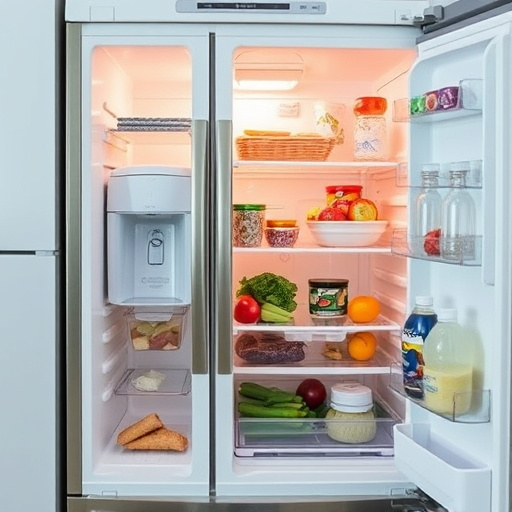
Refrigerator repair is a critical task for maintaining proper cooling and efficiency in your kitchen. When your GE refrigerator isn’t performing optimally, identifying the root cause is key to effective troubleshooting. The most common cooling issues include temperature control problems, inadequate airflow, faulty evaporator coils, and refrigerant leaks.
Temperature control issues often manifest as inconsistent or uneven cooling. Check if both compartments are maintained at set temperatures; a difference could indicate a problem with the thermostat or temperature control board. Inadequate airflow can cause hot spots in the refrigerator, leading to food spoilage. Look for blockages in vents or a buildup of dust on coils that could restrict air circulation. Faulty evaporator coils may result in reduced cooling capacity and energy efficiency. Inspect these coils for ice buildup, corrosion, or damage; cleaning or replacing them might be necessary. Refrigerant leaks are not only hazardous but also disrupt the cooling process. Inspect connections for signs of leakage, and consider professional assistance if a leak is detected.
Regular maintenance, including cleaning and checking for blockages, can prevent many of these issues. Keep records of repairs and replacement parts to identify recurring problems. If DIY methods fail or you’re unsure about any repair steps, don’t hesitate to consult a certified technician who can provide expert diagnosis and solutions tailored to your specific GE refrigerator model.
Diagnosing the Problem: Tools and Methods
Repairing a GE refrigerator involves careful diagnosis to restore proper cooling and efficiency. The first step is identifying the problem—is it not cooling enough, making unusual sounds, or leaking? Each symptom points to different components that could be at fault, such as the compressor, thermostat, or door seals.
To diagnose accurately, you’ll need a few essential tools: a voltmeter for checking power, a multimeter for measuring temperatures and currents, and a replacement parts manual specific to your GE model. Begin by turning off the refrigerator and unplugging it. Use the voltmeter to ensure power is cut off. Then, inspect visible components like fuses and circuits, replacing any blown fuses. Next, check the thermostat; a faulty one can prevent the fridge from cooling properly. It’s also crucial to examine door seals; damage or poor sealing can cause excessive temperature buildup inside.
If you’re unsure about any step, consult the owner’s manual or seek guidance from an appliance repair specialist. Remember, precise diagnosis is key to successful repair. For instance, a noise coming from the compressor could be due to worn bearings, which require replacement. Identifying and fixing issues early not only ensures your fridge operates efficiently but also prevents further damage.
Replacing Faulty Parts: A Step-by-Step Guide
A broken refrigerator can spoil your food and disrupt your daily routine. But don’t worry, repairing your GE refrigerator is a feasible task if you know where to start. This step-by-step guide focuses on replacing faulty parts to restore proper cooling and efficiency.
First, locate the issue. Common problems include a broken thermometer, faulty evaporator fan, or an inconsistent power supply. Check the temperature settings; they might be off, causing your fridge to work overtime. If you identify a specific part that’s damaged, like a cracked evaporator tray or a loose wire, replacement is the next step. For instance, if your evaporator fan isn’t working, unplug the refrigerator and check for any debris blocking its vents. A simple clearing of obstructions could resolve the issue without needing to replace the entire fan assembly.
When replacing parts, ensure you have the right tools and the necessary skills. Simple repairs might require basic tools like a screwdriver, while others may demand more specialized equipment. Consult your refrigerator’s manual for detailed guidance on disassembly and reassembly. Remember, safety first! Unplug the fridge before beginning any work. If unsure about a repair, don’t hesitate to call in a professional technician for expert assistance.
Proper maintenance and timely repairs are key to keeping your GE refrigerator running smoothly. Regular checks and easy-to-follow replacement guides can help you tackle common issues. By understanding these basic steps, you’ll be better equipped to maintain the cooling efficiency of your fridge, ensuring it continues to serve you well for years to come.
Maintenance Tips for Optimal Efficiency
Repairing your GE refrigerator is a powerful way to restore proper cooling and boost energy efficiency in your kitchen. While it might seem daunting at first, regular maintenance can significantly prolong the life of your appliance and save you money on your utility bills. Let’s dive into some expert tips tailored specifically for GE refrigerators to help you keep your fridge running optimally.
First and foremost, always refer to your refrigerator’s owner manual for model-specific instructions. These guides often include detailed troubleshooting advice and safety precautions. Regular cleaning is a cornerstone of efficient operation. Wipe down the interior surfaces with warm, soapy water and a soft cloth at least once a month. Be sure to remove any food residue or spills promptly to prevent odor buildup and contamination. Additionally, clean or replace filters as recommended by the manufacturer, typically every 3 to 6 months, depending on your model.
Thermostat calibration is another crucial aspect of maintenance. The thermostat controls the cooling cycle, so ensuring it’s accurate ensures consistent temperature regulation. You can calibrate the thermostat yourself using a refrigerator thermometer. Place the thermometer in various areas inside the fridge and check if the readings match those displayed on your appliance’s control panel. If there are discrepancies, adjust the settings accordingly according to your owner’s manual.
Lastly, don’t neglect exterior care. Keep the condensing unit clear of dust and debris, as buildup can hinder cooling efficiency. Regularly inspect door seals for tears or damage, as these play a vital role in maintaining cold air inside and warm air outside. If you notice any issues, replace them promptly to avoid energy loss. By following these simple yet effective maintenance tips, you’ll enjoy a well-maintained GE refrigerator that delivers superior cooling performance and saves you money on your energy bills for years to come.
When to Call a Professional: Expert Intervention

If your GE refrigerator isn’t cooling properly or is running inefficiently, don’t reach for the DIY manual right away. Many issues require professional intervention due to their complexity or potential safety risks. Here’s when you should trust the experts for top-notch repair services:
When problems involve electrical components, faulty wiring, or unusual noises, it’s best to leave these repairs to professionals. These issues can be tricky and often indicate a more serious underlying problem. For instance, strange humming or clicking sounds could signal a failing compressor, while temperature fluctuations might be linked to faulty thermostats or control boards. Attempting to fix these without proper knowledge can void warranties and pose safety hazards due to potential electrical risks.
Professional technicians have the specialized tools and training needed to diagnose issues accurately. They know how to navigate intricate systems and understand the latest advancements in refrigerator technology. This expertise allows them to offer tailored solutions, ensuring your appliance operates efficiently and safely. Moreover, professionals can access genuine replacement parts, guaranteeing long-lasting repairs that maintain your fridge’s optimal performance.
While some minor troubleshooting steps can be taken by homeowners, many cases require advanced knowledge and skills. Professionals save you time, money (by preventing further damage), and potential stress. They also provide peace of mind, ensuring your refrigerator is in capable hands. Remember, a small investment in professional repair now can prevent bigger (and costlier) problems down the line.
By addressing common cooling issues, learning effective diagnosis techniques, and understanding the importance of part replacement, homeowners can now independently restore their GE refrigerator’s efficiency. The step-by-step guide provided offers a practical framework for maintenance, ensuring optimal performance. Moreover, recognizing when professional help is necessary empowers individuals to make informed decisions. This knowledge allows you to maintain your refrigerator’s top condition, preserving food freshness and saving energy costs. Remember, regular care and prompt attention to problems are key to extending the lifespan of your appliance and keeping your kitchen running smoothly. Trust in these strategies as a reliable roadmap for achieving—and maintaining—excellent refrigeration performance.