GE refrigerators commonly face issues like temperature imbalances, vibration, leaks, and odors. Regular cleaning, seal checks, and proper settings prevent problems. For complex issues, consult a technician. Diagnose cooling problems by observing symptoms, checking power, adjusting thermostats, and inspecting vents. Key causes include faulty thermostats, evaporator fans, water dispensers, and outdated components. Repairs involve replacing parts and modernizing models for improved efficiency. Monitor internal temperature post-repair and seek professional help if issues persist. Regular maintenance ensures sustained optimal cooling.
In every kitchen, a reliable refrigerator is not just an appliance—it’s the heartbeat that keeps food fresh and your family healthy. When your GE refrigerator starts showing signs of distress, like inconsistent cooling or unusual noises, immediate action is crucial. This guide provides a comprehensive itinerary to diagnose and address common issues afflicting your GE fridge, empowering you with the knowledge and steps to restore optimal cooling and efficiency. By the end of this analysis, you’ll be equipped to navigate through troubleshooting techniques, ensuring your refrigerator once again becomes the unsung hero in your kitchen’s daily rhythm.
- Understanding Common GE Refrigerator Issues
- Diagnosing the Problem: Steps to Take
- Repair Techniques: A Comprehensive Guide
- Maintaining Optimal Cooling Post-Repair
Understanding Common GE Refrigerator Issues
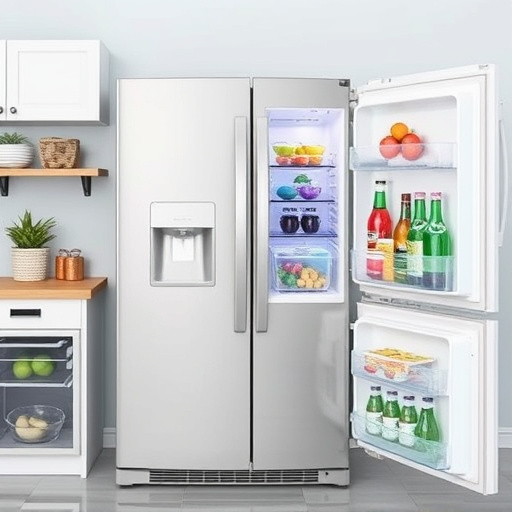
Understanding Common GE Refrigerator Issues
Many homeowners rely on their GE refrigerators to keep food fresh and cool, but these appliances can encounter problems over time. The key to restoring proper cooling and efficiency lies in understanding common issues that may arise. By knowing what to look for, you can take proactive measures or schedule repairs with confidence. One of the most frequent issues is an uneven temperature distribution, where certain areas feel warmer than others. This often results from faulty thermostats, damaged evaporator coils, or improper settings. Another common problem is excessive vibration, caused by loose parts or motor problems, leading to noise and potential damage over time.
Leaks are another significant concern, usually indicating worn seals around the door or a malfunctioning water dispenser (if equipped). These issues not only compromise the cooling capabilities but can also lead to wasted energy and higher utility bills. Additionally, strange odors emanating from the refrigerator can be caused by bacterial growth inside or a buildup of food particles affecting air circulation.
Addressing these problems promptly is crucial for maintaining optimal performance and prolonging the lifespan of your GE refrigerator. Regular cleaning, checking seals, and ensuring proper settings are easy preventive measures. For more complex issues, consulting a qualified technician who can diagnose and repair specific components is essential to get your fridge running smoothly again.
Diagnosing the Problem: Steps to Take
When your GE refrigerator stops cooling properly, it’s crucial to diagnose the issue accurately before attempting any repair. Proper diagnosis can save you time, money, and ensure your fridge functions optimally again. Here’s a step-by-step guide to help you navigate this process:
1. Observe and Document Symptoms: Start by paying close attention to what’s happening with your refrigerator. Is the issue related to temperature? Does it not reach the set temperature or maintain it consistently? Are there unusual noises coming from the appliance? Note down these observations, including any changes in behavior compared to its usual performance.
2. Check Basic Functionality: Before diving deeper, ensure that power is reaching your fridge. Confirm the refrigerator is plugged into a working outlet and that the circuit breaker isn’t tripped or the fuse blown (if applicable). Test the outlet by plugging another appliance into it to rule out any issues with the electrical connection.
3. Analyze Thermostat Settings: Check if the thermostat is set at the desired temperature. Sometimes, a simple adjustment can resolve cooling issues. Also, verify that the thermostat isn’t broken or malfunctioning, as this could lead to incorrect temperature readings and improper cooling.
4. Inspect for Obstructions and Food Placement: Ensure there are no food items blocking vents or airflow channels inside the refrigerator. Proper air circulation is essential for efficient cooling. Arrange shelves and drawers to allow for unobstructed airflow around the evaporator coils, which help absorb heat from the fridge interior.
Repair Techniques: A Comprehensive Guide

GE Refrigerator Repair: Restoring Cooling and Efficiency
If your GE refrigerator isn’t cooling properly or running efficiently, don’t fret—it’s often a repairable issue. The key is understanding the common culprits behind these problems and knowing how to fix them. This comprehensive guide walks you through the most frequent repair techniques for proper cooling and energy efficiency.
One of the most common causes of improper cooling is a faulty thermostat or temperature control board. These components regulate the refrigerator’s internal temperature, so if either fails, it can lead to warmer-than-desired conditions inside. To fix this, you’ll need to access these parts, which are usually located behind a panel at the back of the unit. It’s recommended to consult your model’s user manual or seek professional help for precise removal and replacement instructions. Another common issue is a malfunctioning evaporator fan. This fan circulates cold air throughout the fridge, and its failure can result in uneven cooling. Checking and replacing this part usually involves disconnecting power, removing panels, and ensuring proper connections when reassembling.
Dripping water or ice buildup could indicate problems with the water dispenser or ice maker, both of which are relatively easy to repair. Many models have easily accessible filters that, if clogged, can disrupt water flow. Regular cleaning or replacement is crucial for optimal performance. Ice makers may stop working due to power issues or mechanical failure, requiring a thorough inspection of wiring and parts to identify and fix the problem. Lastly, an energy-inefficient refrigerator could be caused by outdated components or improper settings. Modernizing older models with new thermostats or control boards can significantly enhance efficiency. Additionally, ensuring optimal placement—away from heating sources and direct sunlight—can make a noticeable difference in performance.
Maintaining Optimal Cooling Post-Repair
After a GE refrigerator repair, maintaining optimal cooling is crucial to ensure your fridge operates efficiently and keeps food fresh. In the immediate aftermath of the fix, it’s common for temperatures to fluctuate temporarily. This is especially true if the issue was related to the thermostat or control board. During this period, closely monitor the internal temperature using a dedicated refrigerator thermometer. Aim for readings between 37°F (3°C) and 40°F (4°C) for optimal food preservation.
To help stabilize temperatures, adjust your fridge’s settings gradually. Start by increasing the temperature slightly above the desired range and then lower it incrementally over several hours until you reach the ideal setting. This slow adjustment helps prevent sudden changes that could stress the system. Additionally, make sure door seals are securely in place; damaged or worn-out seals can cause temperature volatility.
Over a period of 24 to 48 hours, the fridge should stabilize and maintain consistent cooling. If temperatures remain elevated or the unit struggles to cool evenly after this time, consult a professional technician. It could indicate a persistent issue with components like the compressor or evaporator coils that require expert attention. Regular maintenance, including cleaning the coils and checking for leaks, will also contribute to sustained optimal cooling performance.
By equipping yourself with the knowledge of common GE refrigerator issues, mastering the art of diagnosis through systematic steps, and exploring effective repair techniques, you now possess the tools to restore your appliance’s optimal cooling and efficiency. The guide’s comprehensive approach ensures that not only do you address immediate problems but also learn to prevent future occurrences. Remember, regular maintenance is key; post-repair, continue to monitor and care for your refrigerator to ensure it remains a cornerstone of your kitchen, providing consistent cold temperatures and longevity. This newfound expertise empowers you to take control, ensuring your food stays fresh and your family enjoys the benefits of a well-maintained fridge for years to come.