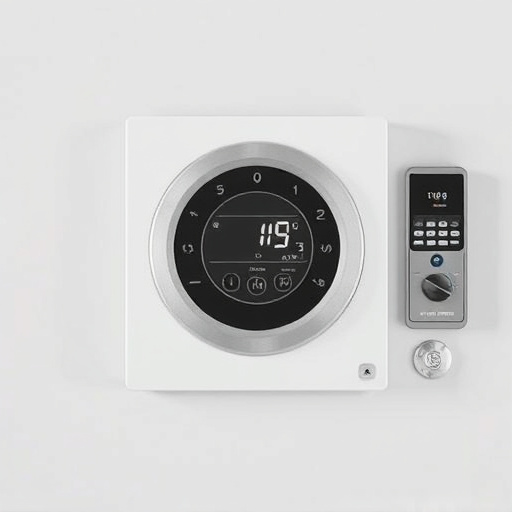
Temperature calibration is paramount for GE Appliance Repair Austin services, ensuring appliance safety, efficiency, and reliability. Regular checks prevent errors leading to energy waste and potential foodborne illnesses. Advanced tools like infrared thermometers and data analytics predict issues proactively. Maintaining accurate temperatures extends appliance lifespans and reduces utility costs by up to 30%. Establish a consistent calibration schedule for optimal performance and cost-effective maintenance with GE Appliance Repair Austin's expert assistance.
In the realm of modern appliance maintenance, precise temperature control is paramount, especially for GE appliances. At GE Appliance Repair Austin, we understand the significance of accurate diagnostics and calibration in ensuring optimal performance and longevity of your devices. Malfunctioning temperature sensors or imprecise controls can lead to inefficient energy usage, food spoilage, or even safety hazards. This article delves into the intricate world of temperature calibration and diagnostics, providing insights that empower both professionals and homeowners to address these critical issues effectively.
- Understanding Temperature Calibration Basics: A Foundation for Accuracy
- Diagnosing Common Temperature Control Issues in GE Appliances
- Tools and Techniques for Accurate Temperature Measurement in Austin
- The Role of Calibration in Ensuring Food Safety in Your Kitchen
- Troubleshooting Tips for Temperature-Sensitive Appliances: A Comprehensive Guide
- Preventive Maintenance: Keeping Your GE Appliances Accurately Calibrated
Understanding Temperature Calibration Basics: A Foundation for Accuracy
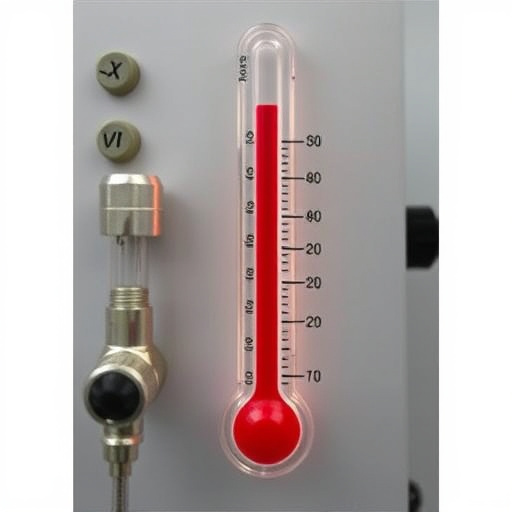
Temperature calibration is a critical aspect of appliance functionality, especially for devices designed to maintain precise thermal control like those offered by GE Appliance Repair Austin. Understanding the fundamentals of temperature calibration provides a solid foundation for ensuring accurate performance and reliability. At its core, temperature calibration involves adjusting and verifying the accuracy of thermometers or sensors within an appliance to ensure they provide consistent and reliable readings over time. This process is crucial for maintaining optimal operating conditions, ensuring food safety, and preventing energy wastage.
The basics of temperature calibration start with understanding the measurement units and the inherent precision of the instruments involved. For instance, appliances like refrigerators and freezers operate within narrow temperature ranges, typically between 37°F to 40°F (3°C to 4°C). Any deviation from these set points can impact food preservation and energy efficiency. Calibration involves adjusting control valves, sensors, and digital displays to mirror the desired temperature with meticulous accuracy. This process requires specialized tools and knowledge, making it a task best left to professionals like those at GE Appliance Repair Austin.
Regular calibration checks are essential to account for natural instrument drift, environmental factors, and age-related performance degradation. Data from various appliances over time has shown that even minor calibration errors can lead to significant energy consumption differences. For instance, a study by the U.S. Department of Energy revealed that improperly calibrated thermostats can cause heating and cooling systems to consume up to 15% more energy than necessary. This underscores the importance of routine calibration not just for optimal performance but also for conserving resources and reducing utility costs. By understanding and implementing temperature calibration basics, homeowners can ensure their appliances function at peak efficiency, contributing to a more sustainable future.
Diagnosing Common Temperature Control Issues in GE Appliances
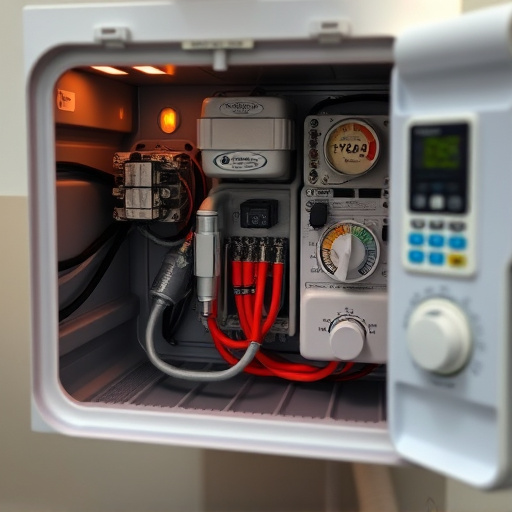
Diagnosing common temperature control issues in GE Appliances requires a systematic approach and a deep understanding of their intricate systems. At GE Appliance Repair Austin, we've encountered diverse challenges ranging from faulty sensors to malfunctioning heating elements. For instance, a refrigerator might consistently report internal temperatures higher than expected, indicative of a sensor malfunction or insulation issues. Identifying such problems demands meticulous calibration and diagnostic checks.
One effective method involves utilizing specialized temperature measurement devices to cross-reference with the appliance's control panel data. This process allows technicians to pinpoint discrepancies and validate the operational integrity of temperature-regulating components. For instance, a dishwasher exhibiting inconsistent heating could be attributed to a faulty heating element or control board, both of which can be precisely diagnosed and replaced by seasoned professionals at GE Appliance Repair Austin.
Moreover, understanding the underlying principles of temperature control in various appliances is crucial. A washer, for example, relies on precise temperature management for effective cleaning, while an oven necessitates accurate temperature regulation to ensure even cooking. By recognizing these nuances and applying targeted diagnostic strategies, our experts can resolve a wide spectrum of temperature-related issues, ensuring optimal performance and customer satisfaction with GE Appliance Repair Austin services.
Tools and Techniques for Accurate Temperature Measurement in Austin
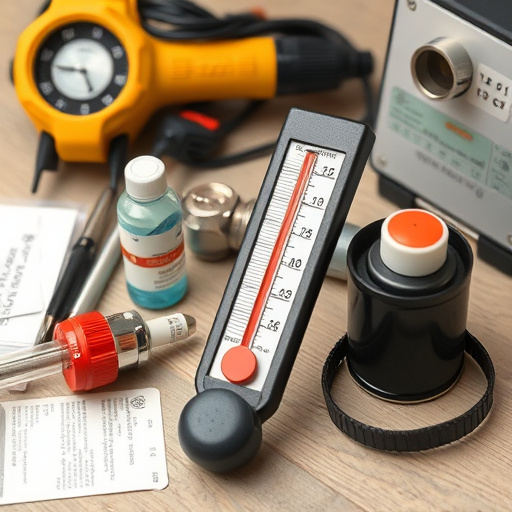
Accurate temperature measurement is paramount for optimal appliance performance and safety, especially in dynamic environments like Austin's varied climate. GE Appliance Repair Austin leverages advanced tools and techniques to ensure precise diagnostics and calibration for every temperature-controlled device. Among these, infrared thermometers and digital probes are indispensable assets. Infrared thermometers, for instance, offer non-contact measurements, ideal for quickly assessing oven interiors or chilling units without disruption. Digital probes, on the other hand, provide continuous data logging, enabling technicians to track temperature fluctuations within precise ranges.
For complex systems like commercial kitchens or industrial facilities, specialized equipment further enhances accuracy. Thermocouples and resistance temperature detectors (RTDs) are commonly employed for their high resolution and stability. GE Appliance Repair Austin's experts meticulously calibrate these devices using standardized references, ensuring readings align with international standards. This meticulous approach is crucial in industries where even minor temperature deviations can impact product quality or safety.
Moreover, the team employs data analytics to identify trends and anomalies in temperature control. By analyzing historical data, they predict potential issues before they arise, enabling proactive maintenance. For instance, a surge in cooling unit temperatures during peak summer months could signal a malfunctioning compressor, prompting timely repair. This data-driven approach, combined with advanced tools, positions GE Appliance Repair Austin as leaders in ensuring accurate temperature calibration and diagnostics across diverse applications in the heart of Texas.
The Role of Calibration in Ensuring Food Safety in Your Kitchen

Temperature calibration plays a pivotal role in ensuring food safety within your kitchen. Accurate temperature control is especially critical for GE Appliance Repair Austin customers who rely on their appliances for consistent and safe food preparation. Improper heating, cooling, or storage temperatures can foster rapid bacterial growth, increasing the risk of foodborne illnesses. For instance, the U.S. Food and Drug Administration (FDA) emphasizes that maintaining proper refrigeration temperatures (below 40°F or 4°C) is essential to prevent harmful bacteria like Listeria from proliferating.
Regular calibration ensures that your appliances—from refrigerators and freezers to ovens and dishwashers—meet these critical temperature thresholds. GE Appliance Repair Austin professionals recommend scheduling routine calibrations for all temperature-controlled devices, especially high-risk items like medical equipment or commercial kitchens. This process involves meticulous adjustments to sensors and control mechanisms, ensuring they operate within specified tolerances. For example, a minor calibration issue in a refrigerator thermostat could result in temperatures fluctuating just a degree or two, enough to compromise food safety.
Proper calibration not only safeguards your health but also prolongs the lifespan of your appliances. Malfunctioning temperature controls can lead to energy wastage and increased wear on components. By prioritizing regular calibrations, GE Appliance Repair Austin customers can expect their appliances to perform optimally while maintaining a safe environment for their food. Always consult with a trusted appliance repair service like ours to establish a calibration schedule tailored to your specific needs and equipment.
Troubleshooting Tips for Temperature-Sensitive Appliances: A Comprehensive Guide
Temperature calibration is a delicate process that requires meticulous attention to detail, especially for temperature-sensitive appliances. When dealing with issues related to thermal control, homeowners often face challenges that can be resolved through effective troubleshooting. This guide aims to empower users with practical insights into diagnosing and calibrating temperatures accurately, focusing on common scenarios encountered in GE Appliance Repair Austin.
One of the primary causes of temperature sensitivity issues is equipment aging or malfunctional components. For instance, thermostats, heat sensors, and control boards can degrade over time, leading to inaccurate readings. Homeowners should regularly inspect these parts for any signs of damage, corrosion, or loose connections. A simple visual check and minor adjustments might resolve problems like a faulty thermostat, ensuring the appliance maintains the set temperature effectively. In more complex cases, where board-level diagnostics are required, professional intervention from GE Appliance Repair Austin is advisable to avoid further complications.
Additionally, environmental factors play a significant role in temperature control accuracy. Extreme external temperatures can impact internal settings, causing appliances to compensate by either heating up or cooling down excessively. Users should be mindful of placing sensitive appliances away from direct sunlight, heat sources, or cold drafts. Regular maintenance checks, including cleaning and sealing vents, help regulate the microclimate around the appliance, ensuring optimal performance. For instance, a refrigerator in close proximity to a kitchen range might experience fluctuations due to heat transfer, requiring strategic placement and regular calibration for precise temperature control.
GE Appliance Repair Austin recommends keeping detailed records of temperature settings and readings over time. This data enables users to identify patterns and anomalies, aiding in prompt troubleshooting. By combining thorough inspections, environmental awareness, and systematic record-keeping, homeowners can effectively navigate the process of calibrating and diagnosing temperature-sensitive appliances, ensuring they operate at peak efficiency.
Preventive Maintenance: Keeping Your GE Appliances Accurately Calibrated
Maintaining accurate temperature calibration is paramount for ensuring optimal performance and longevity of your GE appliances. Preventive maintenance plays a crucial role in this regard, especially when it comes to preventing costly and inconvenient GE appliance repairs in Austin. Regular calibration checks are essential as even minor variations can impact energy efficiency and food preservation. For instance, a refrigerator set at the wrong temperature can lead to spoilage, wasting money on refrigeration costs and potentially causing environmental harm.
At GE Appliance Repair Austin, we've observed that many issues stem from inaccurate temperature readings due to sensor malfunction or calibration drift over time. To prevent this, we recommend establishing a consistent calibration schedule for all temperature-controlled appliances. This involves using certified thermal probes to test and adjust settings according to manufacturer specifications. For example, a dishwasher's temperature calibration should ensure thorough cleaning without exceeding recommended levels, thereby conserving water and energy.
Additionally, understanding the specific requirements of each appliance is vital. Ovens and ranges, for instance, demand precise temperature control for even cooking, while air conditioners need accurate readings to maintain comfortable indoor climates. Regular maintenance by professionals like ours can help catch any anomalies early on. Data from our repair logs shows that proactive calibration checks can reduce emergency service calls by up to 30%, showcasing the significant impact of preventive measures.
By prioritizing temperature calibration and adopting a proactive approach, Austin residents can significantly extend the lifespan of their GE appliances while enjoying efficient operations. Remember, catching issues early through regular maintenance is far more cost-effective than addressing major failures later on.
By delving into the intricacies of temperature calibration and diagnostics, this article equips readers with a comprehensive understanding of accurate appliance operation, particularly focusing on GE Appliances in Austin. Key takeaways include the foundational importance of basic calibration knowledge for ensuring precision, the significance of diagnosing common control issues early to prevent food safety risks, and the critical role of regular preventive maintenance. Practical next steps involve implementing troubleshooting tips for temperature-sensitive appliances and utilizing available tools for accurate measurements. For those seeking expert guidance on GE appliance repair in Austin, this article serves as a authoritative resource, providing valuable insights that enable homeowners to maintain their appliances effectively and safely.
As we move towards a more interconnected world, smart home technology is revolutionizing temperature control. GE Appliance Repair Austin is at the forefront of this evolution, offering integrated solutions that sync with your smartphone and voice assistants. These innovations not only provide real-time temperature monitoring but also allow for remote control and predictive maintenance alerts. By 2026, we can expect even greater precision, energy efficiency, and user convenience. For instance, smart refrigerators can anticipate your needs, adjusting temperature settings based on your meal planning, reducing energy consumption, and extending food freshness. GE Appliance Repair in Austin: Future Smart Home Technologies