GE microwave issues stem from power, heating, door sealing, or control board problems. Simple checks include power supply, connections, and visible damage. Repairs range from replacing fuses to complex component replacement. Safety, correct tools, and model-specific manuals are crucial. Beginners can perform basic repairs with guidance, but advanced troubleshooting is needed for heating and door latch issues. Regular cleaning, maintenance, and prompt issue resolution ensure microwave longevity.
In today’s fast-paced world, convenience in the kitchen is non-negotiable. A reliable microwave is an indispensable appliance that simplifies meal preparation and reheating. However, common issues like faulty heating elements, broken touchpads, or intermittent power can disrupt this efficiency. This guide offers a comprehensive roadmap for tackling GE microwave repairs head-on. We break down the most prevalent problems, provide straightforward diagnosis steps, and offer a detailed, beginner-friendly repair process. Additionally, we delve into advanced troubleshooting techniques and essential maintenance tips to ensure your microwave remains a kitchen game-changer for years to come.
- Understanding Common GE Microwave Issues
- Diagnosing Problems Through Simple Checks
- Accessing and Identifying Microwave Parts
- Step-by-Step Repair Guide for Beginners
- Advanced Troubleshooting Techniques
- Maintenance Tips for Longevity and Convenience
Understanding Common GE Microwave Issues

Most GE microwave issues can be easily resolved with a bit of troubleshooting. The most common problems include malfunctions with power, heating, lighting, and door sealing. For instance, a microwave might not heat food adequately due to faulty magnets or a malfunctioning high-voltage capacitor. Sometimes, the issue is as simple as a loose wire or a fuse that needs replacement.
The display panel can also experience glitches, showing error codes or no response at all. This could be caused by a bad control board or a power supply problem. Another frequent concern is a noisy microwave, often attributed to a loose door seal or worn-out fans. It’s important to remember that some issues may require professional assistance, especially for complex components like the touchpad or the microwave’s built-in sensors.
Before attempting any repair, it’s crucial to unplug the device and ensure safety. Many parts, especially those with electrical connections, can carry a charge even after the microwave is switched off. Using the right tools and following detailed repair manuals specific to your GE model can help you effectively troubleshoot and fix these common problems, ensuring your microwave remains a convenient and reliable kitchen appliance.
Diagnosing Problems Through Simple Checks

When your GE microwave stops working, don’t panic. Many issues can be diagnosed and resolved with simple checks. Before you call a repairman, take a moment to examine some common problems and their potential causes. Start by inspecting the power supply—a tripped circuit breaker or blown fuse could be the culprit. Check for loose connections at the microwave’s power cord and wall outlet. Sometimes, a simple unplugging and replugging can resolve these issues.
Next, pay attention to the door seal. A poorly fitting door can prevent proper heating. Inspect the rubber seal for any tears or damage; replacing it may be necessary. Similarly, check the turntable motor if the microwave isn’t rotating. You might hear unusual noises indicating a faulty motor that needs repair or replacement. Don’t overlook internal components like the magnetrons—if your microwave doesn’t heat up at all, these key parts could be malfunctioning.
If you’re comfortable opening your microwave (always unplug it first!), visually inspect the interior for any visible damage or debris buildup. Food particles can cause issues with heating and timing. Lastly, review your user manual for specific troubleshooting tips tailored to your model. Many manufacturers provide detailed guides that walk you through common problems step-by-step.
Accessing and Identifying Microwave Parts
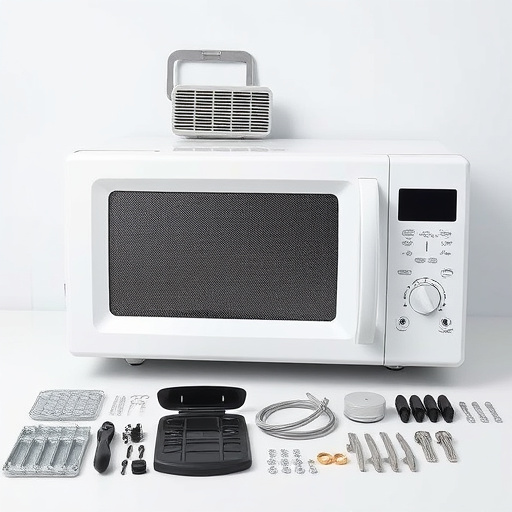
When it comes to GE microwave repair, understanding how to access and identify microwave parts is a crucial step in maintaining convenience in your kitchen. Microwaves are complex appliances with numerous components working harmoniously to heat and cook your food quickly. If you encounter a malfunction, troubleshooting starts with pinpointing the problematic part.
The first step in any repair process is to locate the faulty component. This involves unscrewing panels or doors to expose internal parts like the magnetron (responsible for generating microwaves), high-tension starter (ignites the magnetron), control board (manages appliance functions), and door seal (prevents leaks). Each part plays a specific role, making their identification vital for effective repair.
Visual inspection is key in identifying damaged or worn-out parts. Look for signs of burning, corrosion, or physical damage. For instance, a frayed wire on the high-tension starter can cause arcing and electrical issues. Once identified, replacing these parts is often straightforward but requires precision to ensure proper function. Professional repair manuals or online resources with detailed diagrams can guide you through this process, ensuring your microwave operates safely and efficiently once again.
Step-by-Step Repair Guide for Beginners

Repairing a GE microwave is an achievable task for beginners, allowing you to keep your kitchen appliance in top condition and maintain convenience in daily cooking. This step-by-step guide will walk you through the process, ensuring confidence in handling basic repairs. Start by unplugging the microwave and turning off any power sources. Safety should always be a priority.
First, locate the issue. Common problems include faulty door switches, heating element malfunctions, or control panel issues. Inspect each component carefully. For instance, check if the door switch is stuck or damaged. If it’s blocked by foreign objects, gently remove them. Next, assess the heating element for any visible damage, as a loose connection or burnt coils could cause heating problems.
When troubleshooting, refer to your microwave’s user manual for specific instructions and diagrams. This guide will provide basic solutions, but complex issues may require professional assistance. Keep detailed records of repairs for future reference. Regular maintenance, such as cleaning the interior and ensuring proper ventilation, can prevent common problems. Remember, taking proactive measures is key to keeping your GE microwave reliable for years to come.
Advanced Troubleshooting Techniques

When it comes to microwave repair, especially for GE microwaves, advanced troubleshooting techniques can save the day in your kitchen. These powerful appliances are designed to simplify cooking, but when they break down, it can leave you feeling frustrated and stuck. Don’t worry; with a systematic approach and some expert tips, you can often get your microwave back up and running in no time.
One common issue is the microwave not heating properly. This could be due to a faulty magnetrons—the component that generates microwaves—or a problem with the control board. To troubleshoot this, start by checking for loose connections inside the microwave. Sometimes, a simple reset of the control board can fix minor glitches. If the issue persists, consider measuring the voltage at the control board; a significant drop could indicate a faulty power supply or wiring problem.
Another frequent repair need is door latch issues. The door latch mechanism ensures the microwave remains sealed during operation. Over time, this part can wear out or become contaminated with food debris, causing it to malfunction. Cleaning the latch and its surrounding area thoroughly can often resolve this. If debris is stuck, carefully remove it using a fine tool like a toothpick. For stubborn cases, replacement parts are readily available, ensuring your microwave door locks securely again.
Maintenance Tips for Longevity and Convenience
Maintaining your GE microwave is essential for keeping your kitchen running smoothly and efficiently. A well-maintained microwave not only lasts longer but also ensures consistent performance, saving you time and money in the long run. Here are some expert tips to help you extend the lifespan of your appliance and maintain the convenience it brings to your daily cooking routines.
Regular cleaning is a fundamental aspect of microwave maintenance. Despite their reputation for being difficult to clean, microwaves can be kept in excellent condition with minimal effort. Start by allowing the oven to cool down before wiping down the interior with a soft, damp cloth. Use a mild detergent or vinegar solution for effective yet safe cleaning. Always avoid using abrasive materials or harsh chemicals, as they can damage the microwave’s surfaces. Additionally, regularly clean the door seals and vent filters to prevent dust buildup, ensuring optimal performance and safety.
Another critical tip is to address any issues promptly. If you notice any malfunctions, such as a heating issue or a weird noise, don’t ignore them. Many minor problems can be easily fixed with simple troubleshooting steps, like checking for loose connections or replacing worn-out parts. However, for more complex repairs, it’s advisable to consult a professional technician. Regular maintenance checks, including inspecting the microwave’s performance and functionality, can help identify potential issues early on, preventing bigger problems down the line.
By following these simple yet effective maintenance practices, you’ll ensure your GE microwave remains a reliable kitchen companion for years to come, providing convenience and efficiency at every meal.
GE microwaves, like any kitchen appliance, require occasional care and attention to maintain their optimal performance. By understanding common issues, performing simple diagnostics, and familiarizing yourself with the microwave’s internal parts, you gain valuable skills for DIY repairs. The step-by-step guide and advanced troubleshooting techniques offer a roadmap for addressing various problems effectively. Moreover, adopting preventive maintenance practices ensures your microwave remains a reliable companion in the kitchen for years to come. Armed with these insights, you can confidently navigate potential issues, extend the life of your appliance, and continue enjoying the convenience it brings to your daily routines.