Understanding and maximizing your GE appliance warranty through proactive maintenance extends lifespan and performance. Key practices include regular cleaning, proper food storage, safety checks, and professional service for complex issues. Refer to manufacturer guidelines, maintain ventilation, stay informed about recalls, and address concerns promptly for optimal appliance care.
“Extending the lifespan of your GE appliances doesn’t have to be a hassle—it’s a calculated effort that can save you time, money, and potential frustration. This guide provides a curated itinerary of essential tips designed to help you navigate the maintenance landscape of your GE appliances, from understanding warranty coverage to recognizing when professional intervention is required. We’ll delve into regular cleaning routines, optimal food storage practices, early issue detection, safety precautions, and more. By following these straightforward steps, you can ensure your appliances remain a cornerstone of your modern kitchen, performing efficiently for years to come.”
- Understand Your GE Appliance Warranty and Coverage
- Regular Cleaning and Maintenance Routines
- Proper Food Storage for Optimal Performance
- Diagnosing Common Issues Early On
- Safety Precautions When Using GE Appliances
- Scheduling Professional Service for Major Repairs
Understand Your GE Appliance Warranty and Coverage
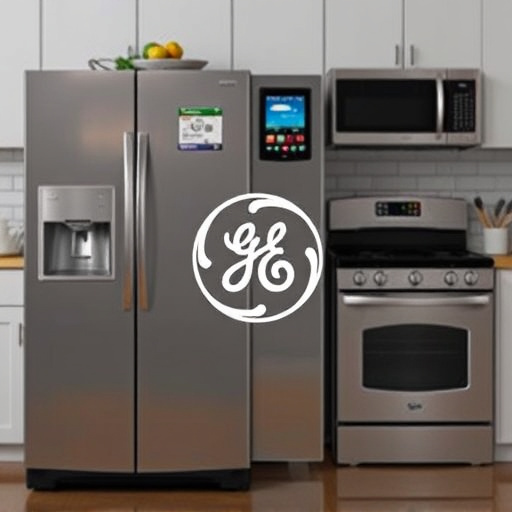
Understanding your GE appliance warranty is a crucial step in maintaining your home’s comfort and avoiding future surprises. When you purchase a new GE appliance, it typically comes with a manufacturer’s warranty that covers defects in materials or workmanship for a specified period. This means if your refrigerator stops cooling or your washer breaks down due to issues in these areas, GE will provide repairs or replacements without charge during the warranty period.
Warranty coverage can vary significantly depending on the appliance type and model. For instance, major appliances like refrigerators, dishwashers, and ranges are usually covered for one to two years, while smaller appliances such as blenders or coffee makers may have shorter periods of one year or less. It’s essential to read your warranty document carefully to understand what’s included and what’s excluded.
Keep in mind that routine maintenance plays a vital role in extending the lifespan of your GE appliances. Regular cleaning, proper use, and adherence to care instructions can prevent many common issues from arising in the first place. By understanding your warranty and taking proactive measures, you can ensure your appliances remain reliable for years to come, enhancing the comfort and efficiency of your home.
Regular Cleaning and Maintenance Routines

Regular Cleaning and Maintenance Routines are essential to keeping your GE appliances running smoothly and preventing future issues. Start by developing a consistent cleaning schedule, focusing on both visible areas and hard-to-reach nooks. For instance, washing machine drums and dishwasher filters should be cleaned regularly to remove buildup and ensure optimal performance. Use mild, non-toxic cleaners to avoid damaging the appliance’s finish or internal components.
In addition to cleaning, perform monthly maintenance checks on your appliances. This includes inspecting electrical connections for loose or damaged wires, checking for leaks or water damage, and lubricating moving parts where applicable. For example, a refrigerator’s evaporator coils should be cleaned periodically to maintain energy efficiency. Many GE appliances also have self-cleaning or diagnostic features built in; make use of these tools to catch potential problems early on.
Another vital step is to follow the manufacturer’s guidelines for maintenance intervals and service recommendations. Some appliances may require more frequent attention than others, depending on their age, usage, and specific design. Staying on top of these tasks not only extends the lifespan of your GE appliances but also ensures they operate at peak performance, saving you money in the long run.
Proper Food Storage for Optimal Performance
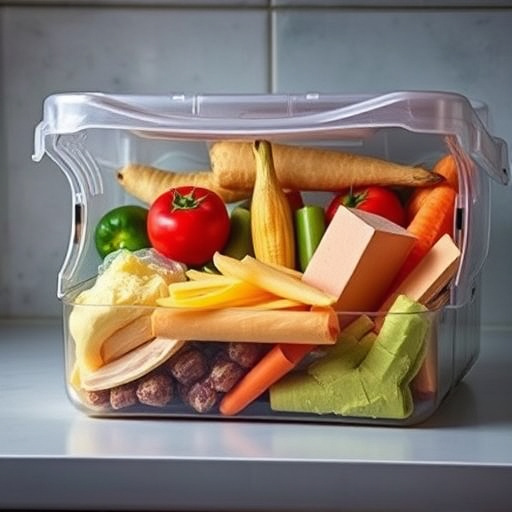
Proper food storage is a key aspect of maintaining your GE appliances and ensuring they work optimally. After all, these appliances are designed to help you keep your food fresh and safe, but only if they’re stored correctly. Here’s how to do it:
First, understand that different foods require different storage methods. For instance, fruits and vegetables should be kept in a cool, humid environment—the crisper drawers in your refrigerator are perfect for this. Meats, on the other hand, need to be stored at very low temperatures to prevent bacterial growth, so they belong in the chiller compartments or freezer. Knowing where to place each food group is half the battle won.
Next, consider portion sizes and organization. Use airtight containers to store perishable items like leftovers, ensuring they’re sealed tightly to maintain freshness and prevent odors from mingling. Organize your refrigerator shelves and freezers so that frequently used items are easily accessible. This not only makes it easier to grab a snack but also helps you use older foods first, reducing waste.
Moreover, regular cleaning is crucial for maintaining proper food storage. Wash down the inside of your refrigerator and freezer regularly with mild soap and warm water. Pay special attention to spills or leaked items, as these can attract bacteria and cause odors. A clean appliance ensures not only longevity but also peak performance when it comes to preserving your food.
Diagnosing Common Issues Early On

Maintaining your GE appliances doesn’t just save you from costly repairs; it also helps to extend the lifespan of these important household workhorses. Diagnosing common issues early on is a key part of this maintenance strategy. While some problems may require professional attention, many can be easily identified and prevented with simple, regular checks.
One of the most important things to remember is that prevention is always better than cure. Regular cleaning, especially of filters and vents, goes a long way in keeping appliances like your air conditioner or dishwasher running smoothly. For instance, a blocked vent in your dryer can cause overheating and lead to costly repairs. A quick check and clearing of these vents every few months can prevent this issue. Similarly, cleaning the filters in your refrigerator helps ensure efficient cooling.
Paying attention to unusual noises or changes in performance is another critical early-warning sign. If you notice a sudden change in how an appliance sounds—for example, a humming noise from your washing machine that wasn’t there before—it could indicate a failing part. This is particularly true for major appliances like refrigerators and ovens, where strange noises can signal motor or heating element problems. Addressing these issues promptly through troubleshooting guides provided by GE or consulting with a repair professional can save you significant time and money in the long run.
Safety Precautions When Using GE Appliances
Maintaining your GE appliances properly is key to preventing future issues and ensuring safety in your home. When using these devices, it’s crucial to follow certain precautions to avoid accidents and damage. First and foremost, always refer to the manufacturer’s manual for specific guidelines tailored to each appliance. This is your go-to resource for understanding safety features and proper usage.
One critical safety measure involves keeping appliances away from flammable materials or easily accessible areas where children or pets can reach them. For instance, never place a stove or dryer too close to curtains or other combustible items. Regularly inspect power cords and connections for any signs of damage or fraying, replacing them as needed to prevent electrical hazards. Ensure proper ventilation for all appliances, especially in the case of refrigerators and dishwashers, to maintain optimal performance and avoid potential risks associated with poor air circulation.
Another essential aspect is staying informed about product recalls. GE, like many manufacturers, issues recalls for specific appliance models due to safety concerns. Keep an eye on reliable news sources or directly visit the GE website to check for any active recalls related to your appliances. Promptly addressing these issues through repairs or replacements is vital for both appliance longevity and user safety.
Scheduling Professional Service for Major Repairs
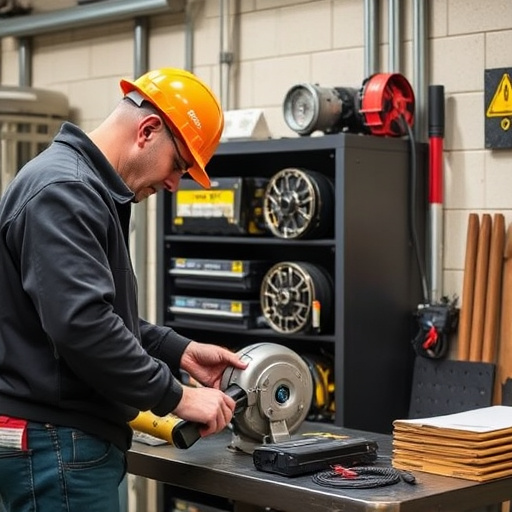
One of the best ways to maintain your GE appliances and prevent future issues is by scheduling professional service for major repairs. While regular maintenance can go a long way in keeping your appliances in top shape, some problems require the expertise of a certified technician. Here’s why scheduling professional help is crucial and how to do it effectively.
When it comes to complex issues like motor failures, electrical problems, or gas line leaks, DIY solutions can be risky and ineffective. These problems often require specialized tools and knowledge that are beyond the average homeowner’s skill set. A professional technician has the training and experience to diagnose even obscure issues accurately and quickly. They know exactly what to look for and how to fix it safely and efficiently, minimizing downtime and potential further damage.
For instance, consider a broken washing machine motor. While you might be able to replace the part yourself, a technician can perform a more thorough inspection to ensure other components aren’t at fault. They may also identify underlying issues with the plumbing or electrical connections that could cause future problems. Regular professional servicing can help catch these potential issues early on before they escalate into costly repairs or even appliance failure.
To schedule service, start by identifying the specific issue your appliance is experiencing. Check for error codes or unusual noises that might provide clues. Next, visit GE’s official website or contact their customer support to find authorized service providers in your area. Many companies offer same-day or next-day appointments for urgent repairs. It’s also helpful to have your model and serial numbers handy when contacting a technician to ensure they have the right parts and knowledge for your specific appliance.
By understanding your GE appliance warranty, implementing regular cleaning routines, and storing food properly, you can significantly extend the lifespan of your appliances. Diagnosing issues early through vigilant monitoring and taking safety precautions will prevent minor problems from escalating. The key to effective maintenance lies in proactive care, ensuring optimal performance and peace of mind. Remember, a little routine upkeep goes a long way in avoiding costly major repairs. As you move forward, remain vigilant and embrace the power of preventive care, allowing your GE appliances to serve you reliably for years to come.