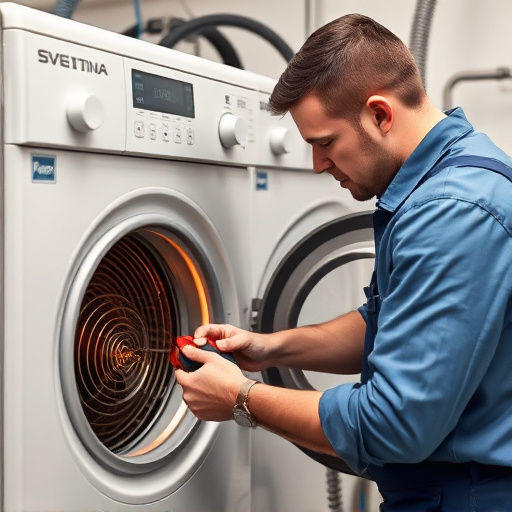
In the heart of every modern home, the refrigerator stands as a cornerstone of food preservation and convenience. However, when this essential appliance starts showing signs of distress, like a GE refrigerator not cooling or the GE dryer drum wont turn, it can disrupt daily life and cause significant inconvenience. Understanding these common issues and knowing how to troubleshoot them effectively is crucial for any homeowner. This article examines the heart of GE refrigerator problems, offering practical solutions and expert insights to help you get back to enjoying fresh food and a smoothly running home.
- Identifying Common GE Refrigerator Problems
- Diagnosing the Won't Turn Issue
- Step-by-Step Repair Guide
- Maintenance Tips for Future Prevention
Identifying Common GE Refrigerator Problems
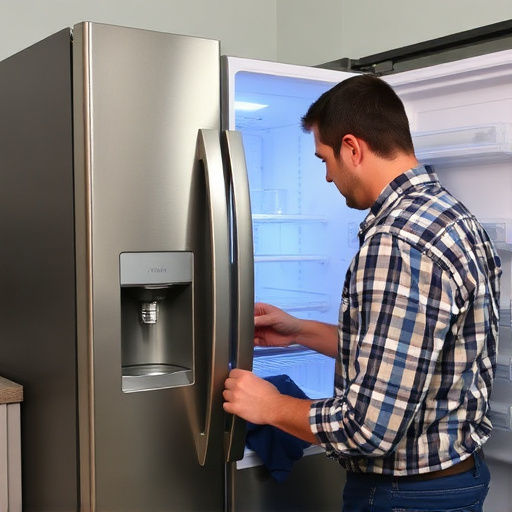
Common GE Refrigerator Issues: A Practical guide
Identifying and resolving common GE refrigerator problems is essential for maintaining food freshness and preserving the investment in your appliance. Among the most frequent issues reported by homeowners in the Westlake area are the mysterious non-functional GE Monogram refrigerators. Sometimes, the issue seems as simple as a power surge, but more often, it points to a faulty component. A malfunctioning control board could be the culprit behind a refrigerator that won't cool, leading to spoiled food and an uncomfortable surprise when opening the fridge.
When faced with a GE refrigerator that won't turn on, the first step is to check the power supply. A tripped circuit breaker or a blown fuse, especially in older models, might be the simple solution. However, if the issue persists, it's crucial to turn to experts for a thorough diagnosis. At Austin Appliance Masters, our technicians are trained to identify complex issues, such as a faulty start relay or a bad temperature control board, which could be causing your refrigerator to struggle. We recommend regular maintenance checks to prevent minor problems from escalating, especially in the hot Southern Arizona climate.
Another common challenge is the GE refrigerator not cooling effectively. This problem often stems from issues with the evaporator coils, which can freeze up or become blocked with dust and pet dander. A buildup of frost on the coils can restrict airflow and impact cooling efficiency. Regular cleaning and maintenance, along with ensuring adequate airflow around the refrigerator, can help prevent this. However, if the issue is persistent, it might signal a deeper problem, such as a faulty fan motor or a damaged compressor, requiring professional attention. Remember, a well-maintained GE refrigerator, like a properly cared-for classic car, will serve you better and last longer.
Diagnosing the Won't Turn Issue
When a GE refrigerator won't turn on, the issue can often be traced to a simple problem like a faulty power switch or a loose wire. However, if the unit appears to be getting power but still won't start, the problem may be more complex, like a malfunctioning control board or a faulty starter motor. In some cases, the issue might even be a simple reset, as modern GE models are equipped with error codes that can guide users or technicians through troubleshooting.
One common issue, especially with older models, is a non-functional or "stuck" dryer drum. If your GE refrigerator has a freezer compartment, and the dryer drum won't turn, it could indicate a problem with the motor or the drive belt. This is particularly true for models featuring the GE Monogram series, known for their advanced cooling technologies. A local Austin appliance repair company recommends checking these components first. Inspect the belt for any signs of fraying or damage, and replace it if necessary. If the drum still won't turn, proceed to more advanced troubleshooting.
Error codes can be a valuable tool in diagnosing the problem. Many modern GE refrigerators display these codes on a control panel or through a connected app, such as the GE SmartHQ. An error code indicating a problem with the ice maker or water filter can guide users to replace these components. However, if the error code suggests a more serious issue, like a faulty temperature control board, it may be best to consult a professional. A skilled technician can interpret these codes and perform the necessary repairs, ensuring your refrigerator functions optimally again.
Step-by-Step Repair Guide
When your GE refrigerator stops cooling, or your GE Cafe dishwasher fails to drain, it can be frustrating. But with a bit of knowledge and some basic tools, you can often fix these issues yourself. This step-by-step guide will walk you through common problems and their solutions, focusing on a key issue: when your GE dryer drum won't turn. Remember, if you're uncomfortable or unsure, an experienced Austin appliance repair team is always ready to help.
Let's start with a common problem: a non-functional GE dryer drum. This can be caused by a number of factors, from a broken belt to a loose or damaged pulley. To fix it, first unplug the dryer and ensure the power is off. Remove the back panel of the dryer to access the drum. Inspect for any visible damage, such as cracks or loose parts. Replace any worn components, tightening any loose screws or pulleys securely. If the drum still won't turn, check the belt for wear or damage. A frayed or broken belt needs replacement. Once all parts are in good condition, reattach the back panel and plug in your dryer to test its operation.
Another common issue involves the control board, a central component for all your appliance's functions. A faulty control board can cause a range of problems, including a GE dishwasher not draining or a GE refrigerator not cooling. Accessing and testing the control board requires some technical knowledge. If you suspect a problem, unplug the appliance and consult the owner's manual or an online guide to locate the control board. Look for error codes displayed on the control panel, as these can indicate specific issues. If the board appears damaged or shows signs of wear, it may need replacement. This is a more complex repair, best left to a professional if you're unsure.
Lastly, remember that regular maintenance can prevent many common appliance issues. This includes cleaning filters, inspecting for wear and tear, and checking electrical connections. A clean water filter in your GE refrigerator can improve cooling efficiency. Regular attention to these details can extend the lifespan of your appliances, reducing the need for costly repairs.
Maintenance Tips for Future Prevention

Regular maintenance is key to preventing common issues with your GE Appliances. A well-maintained refrigerator can extend its lifespan and ensure optimal performance. One of the most frequent problems reported by homeowners is when the GE dryer drum won't turn. Before assuming the worst, consider that this issue could be as simple as a loose belt. Regularly inspect the belt for any signs of wear and tighten it if necessary. A simple inspection and adjustment can save you the cost and hassle of a repair call.
Another area of focus is monitoring error codes. GE Appliances, especially the GE Cafe line, are equipped with sophisticated error-code systems that provide valuable diagnostic information. When your dishwasher, for example, displays a "D1" error code, it indicates a problem with the drain pump. Keeping an eye on these codes and taking proactive measures, such as cleaning the drain lines, can help avoid more complex breakdowns. An Austin appliance repair technician often recommends recording error codes and noting any recurring patterns to provide detailed information to the service team.
To regular checks, ensuring proper ventilation and cleaning is crucial. Dust and debris buildup can affect performance, especially in older models. Regularly cleaning the coils and filters can significantly improve efficiency and prevent premature failures. For refrigerators, defrosting on time and keeping the drain holes clear prevents ice buildup, which can lead to power-related issues, like the GE oven not heating. An easy maintenance routine, combined with occasional thorough inspections, goes a long way in keeping your GE appliances running smoothly.
Frequently Asked Questions About a Look at GE Refrigerator Issues and Fixes
What are common GE refrigerator problems? GE refrigerators, like many appliances, can encounter various issues, often related to functionality, temperature control, or aesthetics. Common problems include malfunctioning temperature controls, odd smells, ice maker malfunctions, water dispenser issues, and spoiling food due to temperature fluctuations. A faulty thermostat can cause the fridge to run constantly, leading to high energy consumption and uneven cooling.
How can I diagnose a problem with my GE refrigerator? Start by checking the temperature settings and ensuring they're correct. Next, inspect the door seals for tears or cracks, as poor sealing can cause temperature control issues. Listen for unusual noises and check the ice maker and water dispenser for blockages or mechanical problems. If the problem persists, consult the appliance's manual or contact a professional technician for further diagnosis.
When should I call a professional for GE refrigerator repair? Call a professional if you're unable to identify or resolve the issue yourself, or if the problem seems complex. Red flags include persistent power outages, sudden temperature changes, unusual noises, or physical damage. It's best to leave complex repairs to experts to avoid further damaging the appliance.
What should I do if my GE refrigerator is not cooling? First, check the power supply and ensure the fridge is plugged in and the circuit breaker isn't tripped. Then, verify the temperature settings and ensure the evaporator coils are clean. If the issue persists, inspect the compressor and fan for blockages or failure. A professional technician can diagnose and fix more complex cooling issues.
Can I fix GE refrigerator problems myself? While some basic troubleshooting and repairs are possible for DIY enthusiasts, complex issues often require professional expertise. Many parts, like the compressor or specific electronic controls, are best left to qualified technicians due to potential safety hazards and the need for specialized tools and knowledge.
How long does a GE refrigerator last, on average? The lifespan of a GE refrigerator varies based on care and usage, but on average, most models last between 10 to 15 years. Proper maintenance, regular cleaning, and avoiding power surges can extend the appliance's life significantly.
What is the average cost of GE refrigerator repair? Repair costs vary widely depending on the problem, the model of the refrigerator, and the technician's rates. Simple repairs, like replacing a part, can range from $50 to $300, while complex issues might cost $500 or more. It's advisable to get quotes from multiple technicians before deciding on a repair.
In wrapping up our exploration of GE refrigerator issues and fixes, the key takeaways are clear: identifying common problems is the first step to effective maintenance. By understanding issues like the refrigerator not cooling, ice maker not working, and defrost problems, homeowners can take proactive measures. The article has provided a detailed guide for diagnosing and repairing these issues, emphasizing the importance of regular maintenance.
One critical issue, as highlighted, is the "GE dryer drum wont turn" problem, which shares commonalities with refrigerator issues, underscoring the interconnectedness of home appliances. The step-by-step repair guide offers practical solutions, and the maintenance tips serve as a roadmap for future prevention.
By adopting these strategies, homeowners can extend the lifespan of their GE appliances, reduce the need for costly replacements, and ensure their homes remain equipped with reliable, efficient, and safe appliances. This authoritative guide equips readers with the knowledge to tackle common problems and make informed decisions regarding maintenance and repair, reinforcing the importance of proactive care.
GE Appliance Common Issues & Maintenance Guide
Maintain your GE appliances with regular checks to prevent major problems. Key issues include:
- GE Refrigerator Issues: A non-functional Monogram refrigerator may be due to power problems, a faulty control board, or a damaged start relay. Regular power checks, cleaning, and monitoring error codes are essential.
- GE Dryer Drum Won't Turn: Inspect the belt for wear; replace if necessary. A loose or damaged pulley may also be the culprit.
- GE Dishwasher & Refrigerator Error Codes: These provide valuable diagnostics. A "D1" code in a dishwasher indicates a drain pump issue. Act on these codes to prevent complex breakdowns.
- Regular Maintenance: Keep coils and filters clean, ensure proper ventilation, and check for ice buildup in refrigerators. These simple steps extend appliance lifespans.
- When to Call Professionals: Complex issues like a faulty control board require expert attention. An experienced Austin appliance repair team is always ready to help.