
Diagnostic and troubleshooting tools are essential for tech experts to resolve software, hardware, and network issues. Key methods include log analyzers (for error identification), debuggers (for code analysis), network scanners (for device mapping), and performance monitors (for system health insights).
Log analysis involves scrutinizing system logs for errors and patterns. Network connectivity issues require physical checks, routing path tracing, and packet analysis. Hardware failures demand systematic documentation and testing. Advanced debugging techniques include log analysis and performance profiling to optimize code and resolve complex bugs.
These combined approaches empower professionals to navigate intricate problems accurately, revolutionizing digital era problem-solving.
In the realm of technology, identifying and resolving issues efficiently is paramount for seamless operations. This guide offers a comprehensive itinerary through diagnostic and troubleshooting methodologies designed to unravel even the most intricate problems. From understanding fundamental tools to employing advanced debugging techniques, we break down complex procedures into actionable steps. We delve into analyzing system logs, isolating network glitches, troubleshooting hardware failures, and exploring sophisticated debugging tools. Armed with this knowledge, professionals can navigate challenges with confidence, ensuring optimal system performance.
- Understanding Common Diagnostic Tools
- Analyzing System Logs and Events
- Isolating Network and Connectivity Issues
- Troubleshooting Hardware Failures
- Advanced Debugging Techniques and Tools
Understanding Common Diagnostic Tools

In the world of technology, effective diagnostics and troubleshooting are essential skills for any expert. When it comes to identifying issues with complex systems, having a toolkit of common diagnostic tools is like having a map to navigate through a labyrinthine problem. This section delves into the most widely used tools that can help unravel even the most mysterious glitches.
The first step in debugging is often gathering information. Common diagnostic tools include log analyzers that scrutinize system logs for errors and warnings, similar to how a detective studies clues. These tools provide insights into recent activities and potential culprits. For instance, a log of network requests can reveal a sudden surge in traffic from an unknown source, indicating a possible security breach. Another crucial tool is the debugger, which allows experts to step through code line by line, much like observing a dance performance frame by frame. This enables them to pinpoint problematic sections and understand the flow of data.
Network scanners and performance monitoring software are also invaluable assets. Network scanners can map out connected devices and their configurations, helping to identify misconfigured settings or unauthorized access points. Performance monitors provide real-time insights into system health, similar to a doctor’s stethoscope listening for heartbeats. They detect slow responses, resource bottlenecks, and potential failures before they disrupt operations. These tools empower professionals to make informed decisions, ensuring systems run smoothly and efficiently.
By combining these diagnostic methods, experts can effectively navigate through complex issues, much like deciphering an intricate enigma. Each tool offers a unique perspective, allowing for a comprehensive understanding of system behavior. With the right set of diagnostic skills and tools, troubleshooting becomes a precise science, enabling folks to revolutionize problem-solving in today’s digital era.
Analyzing System Logs and Events
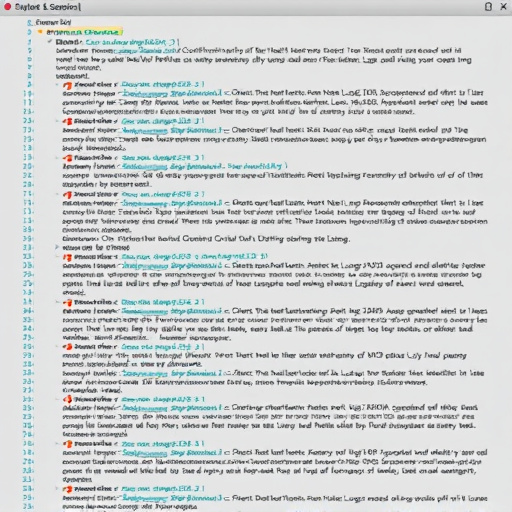
Analyzing system logs and events is a crucial step in comprehensive diagnostics and troubleshooting. It’s like reading a story that tells you exactly what happened—when, where, and why. System logs are detailed records of activities and events within your computer or software system. By examining these logs, you can often pinpoint the root cause of an issue, whether it’s a software bug, hardware malfunction, or network problem.
The first step is to access the logs, which can be found in various locations depending on your operating system and software. For instance, Windows has Event Viewer, while Linux systems use systemd journalctl. Once you’ve located the log files, start by looking for error messages, warnings, and critical alerts. These indicators often highlight significant issues that need immediate attention. Take note of recurring patterns or specific timestamps associated with errors—they might reveal a sequence of events leading up to the problem.
For example, imagine a network-related issue causing intermittent connectivity. The system log may show repeated attempts to establish a connection at specific intervals, followed by error codes indicating failed connections. This pattern suggests a timing-related problem that could be due to resource contention or faulty hardware. By analyzing these logs, you can narrow down the potential causes and prioritize your troubleshooting efforts effectively.
Isolating Network and Connectivity Issues

Comprehensive Diagnostics and Troubleshooting to Identify Network and Connectivity Issues
Network connectivity problems can cripple operations, leaving users frustrated and productivity suffering. Effectively isolating the root cause demands a systematic approach. Start by verifying physical connections, ensuring devices are powered on and configured correctly. Check for basic network functionalities like ping tests and DNS resolution. Then, delve into more advanced diagnostics, such as tracing routing paths and analyzing traffic patterns.
Inspect network logs for errors or inconsistencies, paying close attention to timestamps and recurring issues. Compare these insights with user reports to pinpoint problem areas. For instance, a sudden surge in error logs coinciding with a new software update may indicate compatibility problems. Consider the physical infrastructure too; aging cables or faulty switches can cause intermittent connectivity.
Advanced troubleshooting involves using specialized tools for deep dives into network protocols and configurations. Tools like Wireshark allow detailed packet analysis, revealing latency issues or protocol violations. Firewall logs and security settings also play a crucial role in identifying unauthorized access attempts or misconfigurations that could disrupt service. By combining these approaches, IT professionals can isolate connectivity problems effectively.
Troubleshooting Hardware Failures
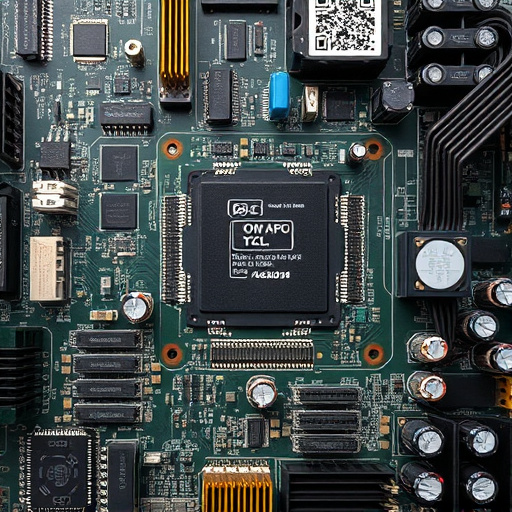
Troubleshooting Hardware Failures: A Comprehensive Guide
Hardware failures can strike at any time, disrupting operations and causing frustration. However, with a systematic approach to diagnostics and troubleshooting, IT professionals and users alike can identify and resolve issues efficiently. The key is to follow a structured process that involves gathering detailed information, analyzing symptoms, and employing effective testing methods.
When a hardware failure occurs, start by documenting the problem. Note the specific components involved, such as a faulty hard drive or a malfunctioning power supply unit (PSU). Observe any error messages displayed on the screen, unusual sounds or scents coming from the device, and unexpected behavior like system crashes or data corruption. These observations provide crucial clues for troubleshooting.
Next, perform basic checks. Ensure that all cables are securely connected, including power cords and data cables. Verify if there’s sufficient ventilation and no signs of physical damage or liquid exposure. Check the system’s temperature using built-in monitoring tools to rule out overheating issues. If the problem persists after these initial checks, delve deeper into more specialized testing.
For example, in the case of a suspected hard drive failure, use diagnostic tools provided by the manufacturer or third-party software to run read/write tests and check for bad sectors. For a failing PSU, load testing tools can help identify unstable voltages or fluctuating power outputs. If the issue lies with a faulty component like a memory module or graphics card, consider running stress tests or checking for firmware updates to resolve compatibility issues.
Advanced Debugging Techniques and Tools

When it comes to identifying and resolving complex issues, advanced debugging techniques and tools are essential for any tech professional. These methods go beyond basic troubleshooting, employing a strategic approach to uncover elusive bugs or performance bottlenecks in software, hardware, or interconnected systems.
One powerful technique is log analysis, which involves scrutinizing detailed logs generated by applications or operating systems. By utilizing log management tools, we can filter through vast amounts of data, identifying patterns or anomalies indicative of underlying problems. For instance, a sudden surge in error logs might point to a network connectivity issue or an inefficient database query causing latency.
Another effective method is performance profiling, which monitors system resources and code execution paths. Tools like profilers help identify bottlenecks by showcasing where memory is allocated, CPU cycles are spent, and I/O operations occur. This information is crucial for optimizing code, especially in resource-intensive applications or systems with high concurrency. For example, a profiler could reveal that a particular function consumes excessive memory, prompting developers to refactor the code for better memory management.
In today’s complex technological landscape, comprehensive diagnostics and troubleshooting are indispensable skills for any IT professional. From understanding common diagnostic tools to employing advanced debugging techniques, this article has equipped readers with a robust toolkit to identify and resolve a wide array of issues. By analyzing system logs, isolating network problems, troubleshooting hardware failures, and delving into advanced methods, individuals can now navigate even the most labyrinthine technical challenges. This newfound expertise not only enhances efficiency but also ensures that organizations can swiftly address disruptions, fostering a resilient and vibrant technological environment moving forward.