Common GE appliance problems include cooling, clogging, and heating issues. Basic troubleshooting, regular cleaning, and visual inspections prevent and resolve these. Check power sources, consult user manuals for error codes, and inspect for damage. Proactive maintenance extends appliance life through optimal usage, regular cleaning, and timely servicing.
GE appliances are known for their reliability and cutting-edge technology, but even the best-designed systems can encounter issues over time. This guide provides a comprehensive analysis of common problems plaguing GE appliances and offers practical, step-by-step solutions to tackle these challenges head-on. From identifying faulty components to implementing preventive measures, we break down the process into digestible steps, ensuring you’re equipped with the knowledge to maintain your appliances efficiently. By understanding these common issues and adopting preventative strategies, you can extend the lifespan of your GE appliances and minimize costly repairs.
- Identifying Common GE Appliance Issues
- Diagnosing and Resolving Problems Step-by-Step
- Preventive Measures for Future Troubleshooting
Identifying Common GE Appliance Issues
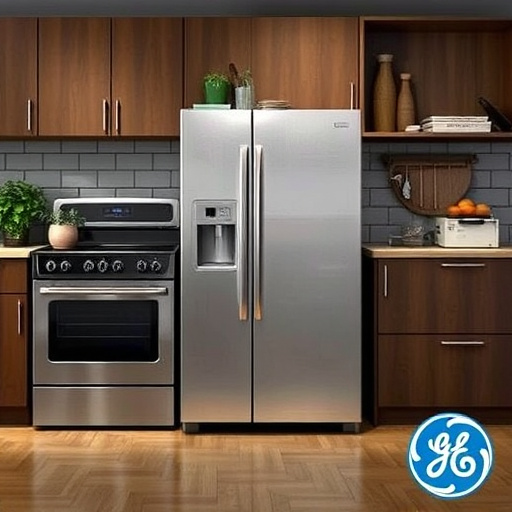
Understanding common problems with GE appliances is key to saving time and money. Whether it’s a refrigerator that’s too cold, a dishwasher with recurring clogs, or an oven that won’t heat up, many issues can be easily diagnosed and resolved with some basic troubleshooting.
One of the most frequent complaints involves refrigerators not cooling properly. This could be due to a faulty thermostat, a blocked condensate drain, or loose doors. For instance, a common misalignment issue with refrigerator doors can prevent proper sealing, leading to warm air intrusion and reduced cooling efficiency. Checking for level positioning and adjusting hinges if necessary is often all it takes to fix this.
Dishwashers are another appliance prone to problems. Persistent clogs in the drain or filter are typical issues, usually caused by improper loading of dishes or food debris buildup. A simple solution involves running a cleaning cycle with vinegar or a specialized dishwasher cleaner to clear blockages and restore optimal performance. In some cases, a damaged spray arm or faulty pump might require professional repair or replacement.
Ovens can also present challenges, such as inadequate heating or uneven cooking. Issues may stem from faulty heating elements, bad temperature controls, or blocked vents. A simple test for heating elements involves turning on the oven and checking if it heats up within a reasonable time frame. Vents should be cleared of any obstructions to ensure proper air circulation. Regular maintenance, including cleaning the oven interior and checking for food residue buildup, can significantly extend appliance life and prevent many common problems.
Diagnosing and Resolving Problems Step-by-Step
Understanding Common Problems with GE Appliances and Solutions: Diagnosing and Resolving Issues Step-by-Step
GE appliances are known for their reliability, but like any home equipment, they can encounter problems over time. When your GE appliance isn’t working as it should, follow these systematic steps to diagnose and resolve the issue efficiently. The process involves a series of checks, from simple troubleshooting to more complex repairs. By systematically going through each step, you can save time, money, and potentially avoid unnecessary replacement.
Step 1: Identify the Issue and Rule Out Basic Troubleshooting
Start by clearly identifying what’s wrong with your appliance. Is it not turning on? Making unusual noises? Or leaking? Check power sources first—a tripped circuit breaker or blown fuse could be the culprit. Ensure proper voltage and connections for electric appliances. For gas appliances, verify a continuous gas supply and clean the ignition or pilot light if necessary. Simple adjustments like replacing batteries in remote controls or unplugging/reattaching electrical cords can often resolve minor issues.
Step 2: Consult the User Manual and Look for Error Codes
If basic troubleshooting doesn’t work, refer to your appliance’s user manual. GE appliances typically include error codes that provide valuable clues about the problem. These codes are usually displayed on digital controls or printed on a label inside the appliance. The manual will explain what each code means and offer step-by-step repair instructions tailored to your specific model.
Step 3: Inspect for Wear and Tear or Damage
If error codes persist, visually inspect your appliance for any signs of wear, tear, or damage. Look for loose connections, frayed wires, broken parts, or blocked vents (especially in refrigerators). These issues may require professional repair or replacement parts. Keep track of maintenance records to identify recurring problems and ensure timely repairs.
Preventive Measures for Future Troubleshooting

Many common problems with GE appliances can be avoided through smart preventive measures. Understanding the most frequent issues and implementing simple strategies can save you time, money, and frustration.
One of the most widespread concerns is the rapid aging and breakdown of appliances, often leading to costly repairs or replacements. This is often attributed to lackadaisical maintenance and improper use. Regular cleaning, especially of the heating elements and filters, is vital for appliances like ovens and air conditioners to function optimally and prolong their lifespan. Using the correct settings and avoiding overloading appliances can prevent sudden failures.
Another significant preventive measure is staying updated with maintenance schedules. GE appliances often come with recommended maintenance routines, such as annual servicing for refrigerators and dishwashers. These routines include tasks like checking seals, cleaning drains, and inspecting electrical connections, which can catch potential issues early on. Many manufacturers offer resources or even partner with service providers to make these maintenance visits convenient and affordable.
Additionally, keeping your appliances free from dust and debris is crucial. Filters in particular need regular cleaning to ensure optimal air flow. A well-maintained appliance not only performs better but also consumes less energy, ultimately contributing to environmental sustainability.
Understanding common problems with GE appliances is no longer a daunting task for homeowners. By identifying issues through careful observation and utilizing the step-by-step diagnosis process, users can effectively resolve many challenges without advanced technical knowledge. Moreover, taking preventive measures such as regular maintenance and careful usage will significantly reduce future troubleshooting. Armed with these insights, you’re now better equipped to maintain your GE appliances, ensuring they serve you reliably for years to come. This proactive approach not only saves time and money but also fosters a deeper understanding of the intricate mechanisms that keep your household running smoothly.