Understanding GE error codes is crucial for any homeowner with these appliances in Austin. From a simple refrigerator not cooling to a complex wall oven repair, these codes offer vital clues about the problem. However, deciphering them can be tricky. Many homeowners struggle to interpret these error signals, leading to unnecessary stress and costly repairs. This guide cuts through the confusion, providing clear explanations for common GE washer error codes, dryer not heating issues, and even troubleshooting GE wall oven repair problems. By the end, you'll be equipped to handle basic troubleshooting and make informed decisions about maintenance and repairs for your GE appliances.
- Understanding GE Wall Oven Error Codes
- Decoding Common GE Wall Oven Issues
- GE Wall Oven Repair: Step-by-Step Guide
- Preventing Future GE Wall Oven Malfunctions
Understanding GE Wall Oven Error Codes
Understanding GE Wall Oven Error Codes
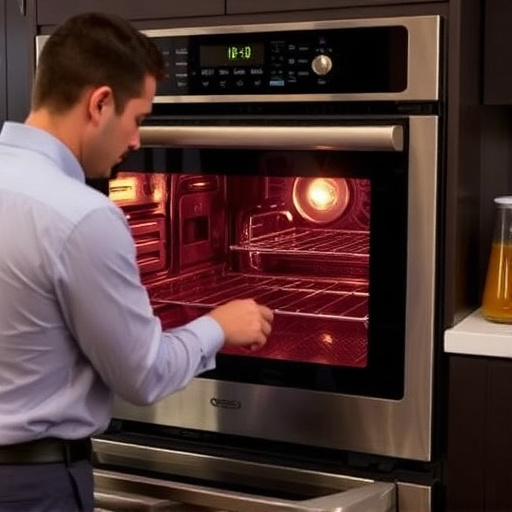
GE wall ovens, like many modern appliances, come equipped with sophisticated control systems that use error codes to communicate issues. These codes, often displayed in numerical sequences or alpha-numeric combinations, provide crucial clues for troubleshooting. When your GE wall oven displays an error code, it's not the time to panic. It's an opportunity to pinpoint the problem and take the appropriate next step. A code like "F21" could indicate a temperature sensor malfunction, while "F28" might signal an issue with the oven's heating element.
Each error code corresponds to a specific component or function, making it a valuable tool for DIY troubleshooting or guiding professional repair services. For GE Cafe models, an appliance repair company serving Austin and nearby suburbs recommends keeping a reference guide for common error codes readily available. By understanding the meaning behind these codes, you can often resolve minor issues yourself. However, for more complex problems, such as those involving the control board, it's best to turn to a qualified technician.
When engaging in GE wall oven repair, especially for older models, it's essential to have access to genuine GE parts. These parts are designed to fit perfectly and ensure optimal performance, unlike aftermarket alternatives that may lead to further complications. Utilizing the GE SmartHQ app, which allows you to access troubleshooting guides and error code databases, can provide valuable insights during the repair process. Whether you're a seasoned DIYer or seeking professional assistance, knowing how to interpret and respond to GE wall oven error codes is a vital step in maintaining the longevity of your appliance.
Decoding Common GE Wall Oven Issues
Decoding Common GE Wall Oven Issues
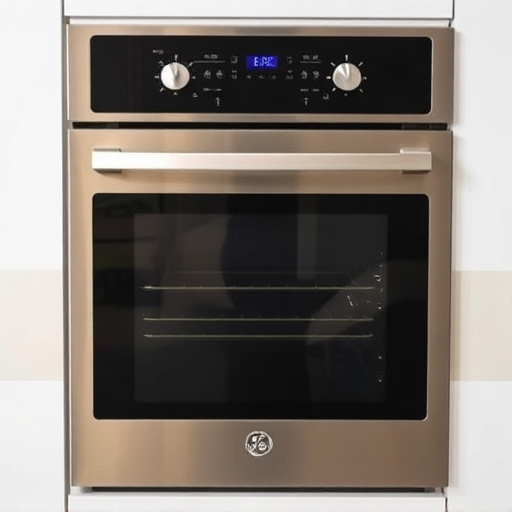
GE wall ovens, like any complex appliance, can encounter a range of problems, each accompanied by specific error codes. Understanding these codes is crucial for effective GE wall oven repair. A code like "F2" indicates a problem with the temperature sensor, while "F10" signals an issue with the control board. These error codes serve as diagnostic tools, guiding users and technicians to the root cause. A South Austin appliance repair service near MoPac often relies on this knowledge to efficiently troubleshoot and resolve issues.
When a GE wall oven fails to preheat, for example, the error code "F3" may appear on the control panel. This code suggests a problem with the oven's heating element or its associated wiring. A skilled technician will check for loose connections, damaged insulation, or faulty parts, replacing them as needed. In the case of a GE Monogram oven, the process might involve accessing the control board for further diagnostics, as these models are known for their advanced features and potential sensor malfunction.
Another common issue is an oven that won't turn on. The error code "F1" indicates a problem with the power supply or the control board. Here, checking the circuit breaker and power supply is the first step, followed by a thorough examination of the control board. Genuine GE parts, when required, ensure the oven functions optimally after repair. Preventive maintenance, such as regular cleaning and inspection, can also help extend the lifespan of your GE wall oven, reducing the need for frequent repairs.
GE Wall Oven Repair: Step-by-Step Guide
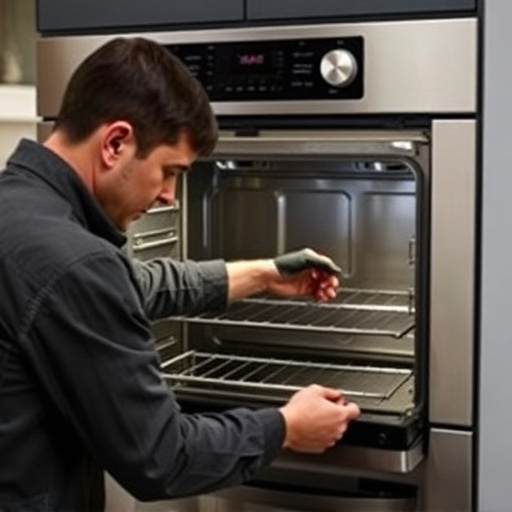
When troubleshooting a GE wall oven, understanding error codes is crucial. These codes, often displayed as a series of numbers or letters, provide essential information about the issue at hand. A code like "F27-1" might indicate a problem with the control board or a specific component within the oven. Each error code is meticulously designed to narrow down the potential problem, making it easier for an Austin appliance repair technician to diagnose and fix the issue efficiently.
GE wall oven repair often involves identifying and addressing these error codes. Let's take a practical example: suppose your GE wall oven displays "F10.1," signaling a problem with the temperature sensor or control board. The first step is to consult the user manual, which should provide details on the specific error code and potential solutions. If the issue persists, a closer examination of the control board becomes necessary. In many cases, a simple replacement of faulty components or recalibration of sensors can resolve the problem.
Westlake, with its diverse housing stock, often includes older GE appliances. When repairing these units, remember that older models may require specific replacement parts and troubleshooting techniques. An experienced Austin appliance repair technician is well-versed in these differences and can offer tailored solutions. They might recommend checking for loose connections or worn-out wires, which are common causes of issues in older units. By following these steps and understanding the associated error codes, homeowners can effectively maintain their GE wall ovens and avoid more costly repairs.
Preventing Future GE Wall Oven Malfunctions
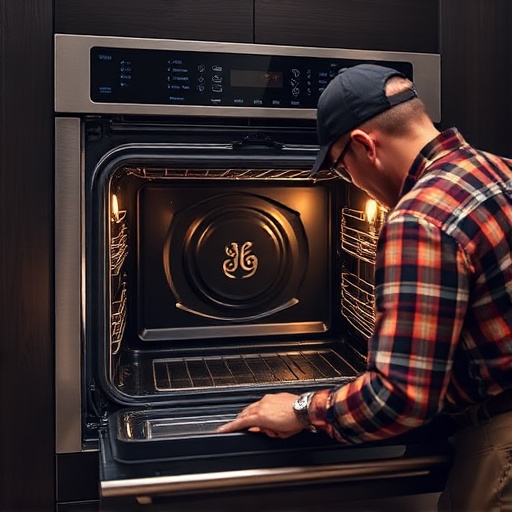
Preventing Future Malfunctions in Your GE Wall Oven
GE Appliances, including their wall ovens, are renowned for their durability and performance. However, like any complex appliance, they can sometimes encounter issues that manifest as error codes. These codes, often displayed on the oven's control panel, are designed to alert users and technicians to specific problems. A GE Cafe wall oven might display an "F2" error code, indicating a problem with the temperature sensor. This is a common issue, and a quick replacement of the sensor can often resolve it.
When troubleshooting a GE wall oven, it's crucial to identify the exact error code. Each code represents a distinct issue, from power supply problems to control board malfunctions. For older models, genuine GE parts are readily available and can be easily acquired through an appliance repair company serving Austin and nearby suburbs. A faulty igniter in a GE range can be replaced with a new one, restoring heating functionality. Regular maintenance, including cleaning the oven and checking for loose connections, can also prevent many potential issues.
To avoid future malfunctions, keep a close eye on your oven's operation. If you notice any unusual behavior, such as inconsistent heating or strange noises, take note of any error codes that appear. This information will be invaluable when contacting a professional for GE wall oven repair. Remember, timely intervention can often prevent more serious-and costly-problems from arising. By understanding the meaning of error codes and taking preventive measures, you can ensure your GE appliance continues to serve you reliably for years to come.
Frequently Asked Questions About an explainer on GE error codes and what they mean
What are GE error codes?
GE appliances use error codes to communicate issues within their systems. These codes, represented as a series of numbers and letters, are displayed on a control panel or through error lights. Each code corresponds to a specific problem, allowing for more precise troubleshooting and repair.
How do I read a GE error code?
The format of the error code varies by appliance, but generally, it consists of a primary code and a secondary code. The primary code identifies the main issue, while the secondary code provides additional context. A code like "F28" might indicate a problem with the temperature control in a refrigerator, with "8" offering more specific information about the issue.
Why are GE error codes important?
Understanding GE error codes is crucial for effective troubleshooting and maintaining your appliances. Knowing the meaning of each code empowers you to take appropriate actions, such as contacting a professional or checking specific components, saving time and potentially preventing more serious problems.
What should I do when I see a GE error code?
The first step is to locate the error code on your appliance. Then, refer to the manufacturer's troubleshooting guide or a reliable online resource to decipher its meaning. Based on the code, you can decide on the next steps: self-repair, contact a qualified technician, or schedule a service call. Always prioritize safety and consult a professional for complex issues.
Can I reset my GE appliance to clear an error code?
In some cases, a simple reset can resolve the issue. This typically involves unplugging the appliance for a few minutes, then plugging it back in and resetting the settings. However, not all error codes can be cleared this way, and repeating the reset multiple times may be necessary. If the code persists, it's best to consult a repair manual or a technician.
Where can I find a list of common GE error codes?
A wealth of online resources, including manufacturer's websites, forums, and repair manuals, offer comprehensive lists of GE error codes and their meanings. These resources are invaluable for homeowners and technicians alike, providing quick access to troubleshooting information for various appliances.
Understanding and decoding GE wall oven error codes is a crucial step in maintaining and repairing these appliances. By familiarizing yourself with common issues and following a systematic approach to repair, you can effectively address problems like overheating, malfunction of components, and performance issues. The step-by-step guide provided offers a practical framework for DIY repairs, empowering homeowners to take control of their appliance maintenance. Preventative measures, such as regular cleaning and maintenance checks, are key to minimizing future malfunctions. Remember, when faced with complex issues or persistent errors, it's advisable to consult a professional GE appliance repair service, ensuring your oven is safely and correctly repaired. This article's insights offer a solid foundation for anyone looking to tackle GE wall oven repairs, underscoring the importance of troubleshooting and a proactive approach to appliance care.
Understanding GE wall oven error codes is vital for effective repair. Codes like "F21," "F28," and "F10" point to specific issues-temperature sensor malfunction, heating element problems, or control board errors. DIY troubleshooting is possible, but complex issues require professional help. Keep genuine GE parts for optimal performance. Utilize the GE SmartHQ app for guides and error code databases. Regular maintenance, including cleaning and checking connections, prevents future malfunctions. Timely intervention and understanding error codes ensure long-term reliability.