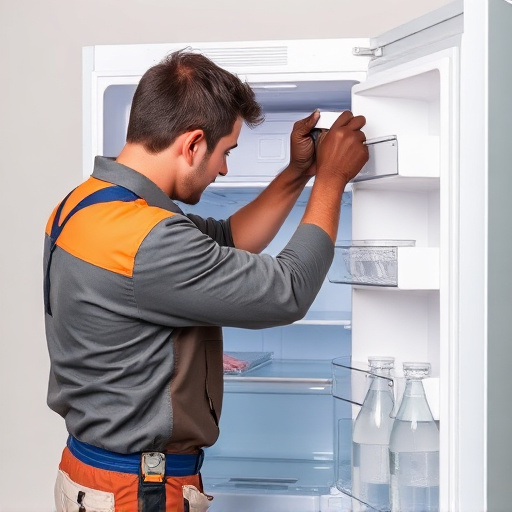
Troubleshooting GE appliances is a common challenge for homeowners in Austin, where the reliable operation of refrigerators, dishwashers, and washers is crucial for comfortable living. However, deciphering error codes can be daunting, especially when a simple fix could extend the GE appliance lifespan. This guide is your go-to resource for understanding the meaning of GE error codes and taking effective action. We'll break down common issues like "GE refrigerator not cooling" or "GE dishwasher not draining," providing clear explanations and practical solutions to help you resolve problems quickly and efficiently, often extending the lifespan of your valuable GE appliances.
- Understanding GE Error Codes: A Practical guide
- Deciphering Common Washer Error Codes
- Maximizing Your GE Appliance Lifespan: Error Prevention
- Troubleshooting and Maintenance for Longer Appliance Life
Understanding GE Error Codes: A Practical guide
Understanding GE Error Codes: Achieving the Secrets of Your Appliances
When your GE appliance displays an error code, it's more than just a beep or a flashing light. These codes are a sophisticated communication system designed to help both you and a skilled appliance repair technician in Westlake, like those at Austin Appliance Masters, diagnose and resolve issues efficiently. Each error code is a specific message, signaling different problems that range from simple troubleshooting to complex repairs. By understanding these codes, you can take proactive steps to maintain your GE appliances, potentially extending their lifespan, and save costly repairs.
A common GE error code for refrigerators is "F06," which indicates a temperature control issue. This could be due to a faulty thermostat or a problem with the evaporator coils. A trained eye, like that of an experienced South Austin appliance repair service near MoPac, can quickly identify the root cause and provide an effective solution. In contrast, a "LE" code on a dishwasher typically signals a power issue, which may be as simple as a loose connection or as serious as a malfunctioning board. Knowing these patterns allows for better-informed decisions for maintenance and repair, saving you time and money.
GE appliances are designed to last, but like any complex system, they require regular attention. By understanding the language of error codes, you're taking a significant step towards maximizing the lifespan of your appliances. Regular cleaning, proper usage, and timely maintenance checks, along with prompt attention to error codes, can prevent minor issues from turning into major repairs. Remember, the earlier you address an error, the easier and more affordable the resolution is likely to be.
Deciphering Common Washer Error Codes
Deciphering Common Washer Error Codes
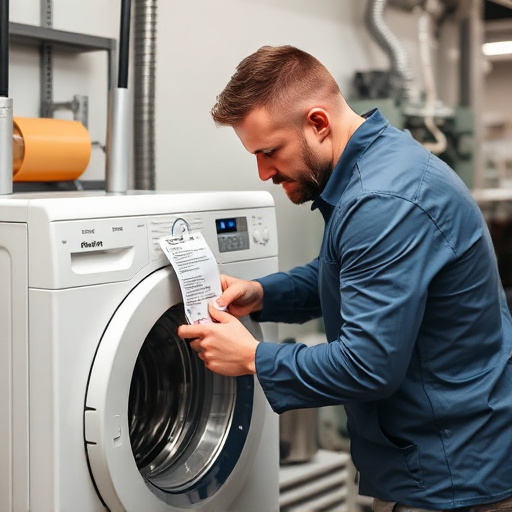
As an Austin appliance repair technician, I've seen my fair share of GE washer issues, from simple clogs to complex control board malfunctions. Understanding these error codes is key to troubleshooting and extending the lifespan of your GE appliances, especially your washer. GE Monogram models, known for their advanced features, may exhibit unique error patterns, so recognizing these patterns is crucial.
The most common washer error codes involve issues with water filling (code WF), draining (code D), and temperature control (code T). A WF code might indicate a faulty water valve or a blocked hose, while a D code could signal a clogged drain pump or a damaged drain pump motor. Temperature control errors, like code T5, often point to problems with the heating element or thermostat, which may require replacement parts.
GE Appliances prioritize consumer education, and many error codes can be diagnosed using the GE SmartHQ app, which connects to your washer's control board. However, complex issues might necessitate an in-depth inspection by a professional. Over time, as your GE washer ages, regular maintenance and prompt attention to error codes can significantly extend its lifespan. Regular cleaning of the drain pump and filter can prevent clogs, while checking the water supply lines for leaks can prevent water damage and premature component failure.
Maximizing Your GE Appliance Lifespan: Error Prevention
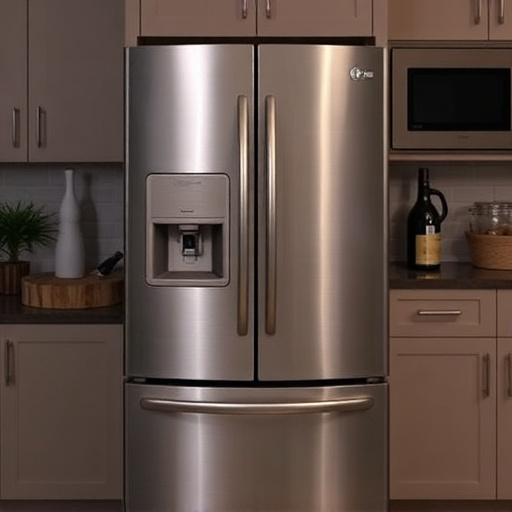
Maximizing the lifespan of your GE appliances involves proactive care and understanding common issues. One of the most effective ways to prevent major problems is to be aware of-and address-error codes. These codes, often displayed on digital displays, signal potential issues that, if left unattended, can lead to more serious and costly repairs. A persistent "F2" error on your GE dishwasher could indicate a water supply problem, while a "EE" code on your GE refrigerator may signal a power supply malfunction.
In Austin, where many residents rely on their appliances for daily life, prompt action on these codes is crucial. Ignoring them could mean food spoilage, excessive water usage, or even safety hazards. An Austin appliance repair technician recommends taking note of any flashing lights or unusual beeps and consulting the appliance's manual for possible solutions. For GE Cafe and GE Monogram appliances, these codes often have specific meanings related to their advanced features, requiring a nuanced understanding to interpret.
Regular maintenance, such as cleaning filters and inspecting for wear and tear, can also help extend your GE appliance lifespan. The key is to stay proactive. For older GE appliances, the repair-vs.-replace decision may become more frequent. However, with proper care, many issues can be resolved with simple DIY fixes or affordable repairs, avoiding the need for replacement entirely. Regularly checking for error codes and taking corrective actions, like those suggested in the owner's manual, can help ensure your appliances continue to serve you for years to come.
Troubleshooting and Maintenance for Longer Appliance Life
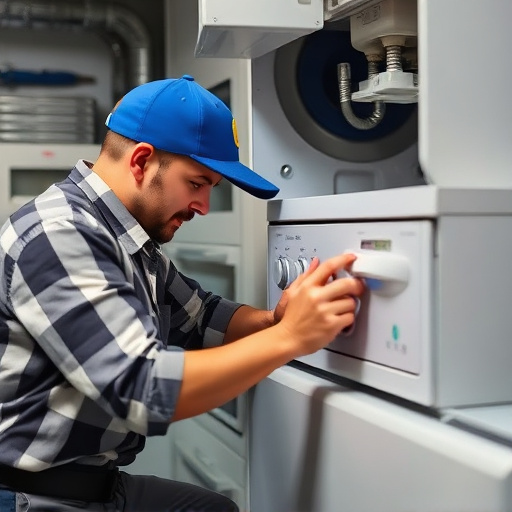
Troubleshooting and maintaining your GE appliances is crucial for extending their lifespan, which can often be longer than expected with proper care. Error codes, a common issue with modern appliances, serve as a diagnostic tool, providing valuable insights into potential problems. Understanding these codes is key to effective maintenance and repair, especially as they can vary by appliance type.
GE appliances, renowned for their reliability, often display specific error codes to indicate issues with your washer, dryer, refrigerator, or dishwasher. A "F2" error in your GE washer typically signals a water temperature or pressure problem, while a "EE" code in your GE refrigerator may point to a faulty control board or sensor. Regularly checking for these codes and taking appropriate action can prevent minor issues from escalating, prolonging the appliance's life, and saving you from costly repairs.
A local Austin appliance repair company like Austin Appliance Masters recommends keeping track of recurring codes and consulting a professional if the issues persist. Regular maintenance, including cleaning filters and replacing parts like water filters and igniters, is also essential. By staying proactive and addressing potential problems early on, you can ensure your GE appliances continue to serve you reliably for years to come.
Frequently Asked Questions About an explainer on GE error codes and what they mean
What are GE error codes? GE appliances use error codes to communicate issues with your technician. These codes are a series of numbers and letters displayed on a control panel or screen, signaling specific problems. Understanding these codes is crucial for efficient troubleshooting and repairs.
How do I read a GE error code? The format of GE error codes varies by appliance. Common formats include 4-digit numbers, alpha-numeric combinations, or even just a single digit. Refer to your appliance's manual or the manufacturer's website for the specific code structure. Some codes represent general issues, while others pinpoint the affected component.
What does a "F01" error code mean on a GE washer? "F01" typically indicates a water flow issue. This could be due to a clogged filter, damaged hoses, or a faulty water inlet valve. It's a common error code for GE washers and can be resolved by checking and clearing the filter, inspecting hoses for damage, or replacing the water inlet valve if necessary.
Why is my GE dryer showing an "E05" error code? "E05" usually signals a problem with the dryer's temperature sensor or heating element. This error code suggests a malfunction in the dryer's heating system. A qualified technician should diagnose and fix this issue, as it involves specialized knowledge and tools.
Can I troubleshoot GE error codes myself? While some basic error codes can be self-diagnosed by checking for common issues like loose connections or empty filters, complex troubleshooting requires professional expertise. Many GE error codes point to internal components that only a trained technician can access and repair.
How do I contact Austin Appliance Masters for help with GE error codes? Call (512) 123-4567 or visit the Austin Appliance Masters website for 24/7 support. Our team of experienced technicians is equipped to handle all types of GE appliance errors, providing quick and effective solutions. We serve South Austin and the MoPac area.
Understanding GE error codes is crucial for maximizing the lifespan of your appliances. By decoding these codes, you can take proactive steps to prevent issues and extend the life of your investment. Regular maintenance and troubleshooting, guided by the specific error codes, can save you from costly repairs or premature appliance replacements. Recognizing a washer error code can help you identify a simple filter clog or a more complex mechanical problem early on. This proactive approach not only extends your GE appliance lifespan but also ensures your household stays running smoothly.
Next steps include familiarizing yourself with common error codes for your specific appliance types and integrating them into your home maintenance routine. Regular checks and simple troubleshooting techniques can often resolve issues before they escalate. Remember, with proper care and attention, your GE appliances can continue to serve you for years to come, making your home more efficient and comfortable.
Understanding GE Error Codes:
GE appliances use error codes to communicate issues, aiding both users and repair technicians. These codes range from simple troubleshooting to complex repairs. By understanding them, you can:
- Diagnose and resolve issues efficiently.
- Proactively maintain your appliances.
- Extend the lifespan of your GE appliances, potentially saving repairs.
- Save time and money with early intervention.
Deciphering Washer Error Codes:
Common washer error codes indicate:
- Water filling (WF) and draining (D) issues.
- Temperature control (T) problems, like heating element or thermostat failures.
Use the GE SmartHQ app or consult a professional for complex cases. Regular maintenance, like cleaning filters, prevents clogs and prolongs lifespan.
Maximizing GE Appliance Lifespan:
- Address error codes promptly.
- Perform regular maintenance checks.
- Stay informed about specific GE model error patterns.
- Consider repair-vs.-replace decisions for older appliances.
- Implement simple DIY fixes or affordable repairs to avoid replacement.